

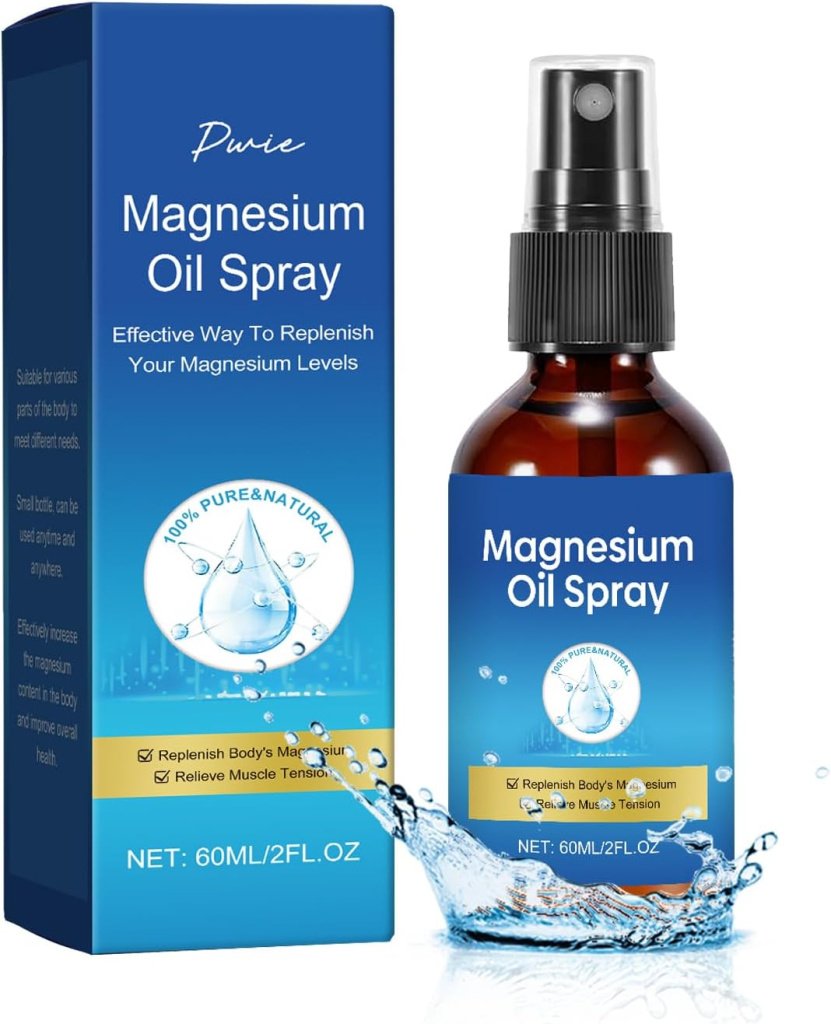
People spend a lot of time picking between different brands of magnesium supplements without stopping to ask whether tablets are even the right format in the first place. The form magnesium comes in changes how much of it your body actually gets to use. That matters more than most people realize when they are standing in a pharmacy trying to decide what to buy.
Tablets are familiar. Easy to find. Cheap. A magnesium body spray sounds a bit unusual if you have never tried one. However, after learning about what really occurs within the body with each one of them, the answer will be much easier to decide.
What happens when you swallow a magnesium tablet
The tablet goes into your stomach. From there it has to survive the digestive process, pass through the gut wall, and make it into the bloodstream. Each of those steps is a potential point of loss.
How much magnesium actually gets absorbed from a tablet depends heavily on which form of magnesium is in it. Magnesium oxide, which is in most budget supplements, absorbs badly. Bioavailability has been found to be four percent, according to certain studies. In other words, in a 400 mg magnesium oxide tablet, your body may only be able to utilize 16 mg of it. The rest leaves your body unused.
Better forms like magnesium glycinate or magnesium citrate absorb at higher rates, somewhere between 30 and 50 percent depending on the person and conditions. Still, a significant chunk is lost every time. And for people with gut issues, IBS, or poor digestive health generally, absorption rates drop further. There are individuals who experience diarrhea and stomach cramps from magnesium supplements, making adherence to their use much more difficult than anticipated.
What happens when you use a magnesium body spray
The spray goes onto the skin. The magnesium chloride in it absorbs transdermally, meaning directly through the skin into the tissue underneath. No digestion. No gut wall to cross. No unpredictable absorption rate that changes depending on what you had for dinner.
Transdermal absorption is not a new concept. Nicotine patches, hormone patches, and pain relief gels. The pharmaceutical world has been using the skin as a delivery route for decades because it works reliably. Magnesium chloride molecules are small enough to pass through the skin layers and get into the body efficiently.
For people who have taken magnesium tablets for months and never felt much difference, switching to a spray and noticing a change within two or three weeks is not unusual. The delivery route makes that kind of difference.
The gut problem that tablets cannot get around
Here is something worth knowing. Stress, which is one of the primary causes for people being deficient in magnesium, affects the ability of the gut to work effectively. Stress prevents the production of digestive enzymes and inhibits nutrient absorption by the intestinal walls. Consequently, the individuals who need magnesium the most find it difficult to absorb the mineral if taken in tablet form.
A spray sidesteps that entirely. Skin absorption does not depend on your stress levels, your gut health, or whether you took the tablet with food or without. It is a more consistent route regardless of what else is going on in your body.
Where tablets still have a place
To be fair about it, tablets are not useless. For people with healthy digestion who are using a good form of magnesium like glycinate or malate, oral supplements do work. They are convenient if you already have a supplement routine and do not want to add another step to your evening. Some people find taking a tablet easier to remember than applying a spray.
There is a particular subset of magnesium oral supplements that offers distinct advantages compared to topical products. Glycine, one such amino acid that can be paired with magnesium to produce the compound called magnesium glycinate, has the ability to induce relaxation by itself.
However, if you’re already disappointed in other methods such as tablets or have some issues with digestion, or just want to use the most dependable method for absorbing the product, then the spray is your answer.
The quality gap that most people ignore
Whether you go for tablets or spray, the grade of magnesium in the product matters enormously. This is where a lot of people get let down without understanding why.
Magnesium chloride used for making cheap sprays is not very different in its purity levels from magnesium chloride that is used industrially and agriculturally. Magnesium chloride is essentially one and the same substance but at varying levels of refinement. The body has a harder time using impure magnesium effectively, and the results reflect that.
NanoRev’s magnesium body spray uses certified pharmaceutical-grade magnesium chloride. That certification means the raw material has been refined and tested to a standard where the body can actually absorb and use it properly. On top of that, NanoRev processes the formula using cold plasma technology, which breaks the magnesium down into smaller particles that penetrate the skin at a cellular level rather than just reaching the upper layers.
Compared to swallowing a magnesium oxide tablet and hoping for the best, that is a very different proposition.
So which one should you actually use
However, if one hasn’t taken magnesium before and wants to be sure that they will feel its positive influence, then the first method would be more appropriate. With a spray, one is certain about the result because they do not have to take into consideration any digestive problems. Besides, they may apply it wherever they need, like muscles or the feet at bedtime.
However, if you have been using tablets and you feel that they are benefiting you, then there is nothing pressing about changing them; some individuals benefit from their use. However, if you have been using them faithfully for many months now and you wonder why you are still experiencing problems like leg cramps and poor quality sleep, you need to ask yourself if these tablets are really giving you your magnesium dosage.
The spray is not harder to use. It is not more expensive once you factor in absorption rates. And for most people it simply works better. That is about as straightforward a case for it as you can make.