
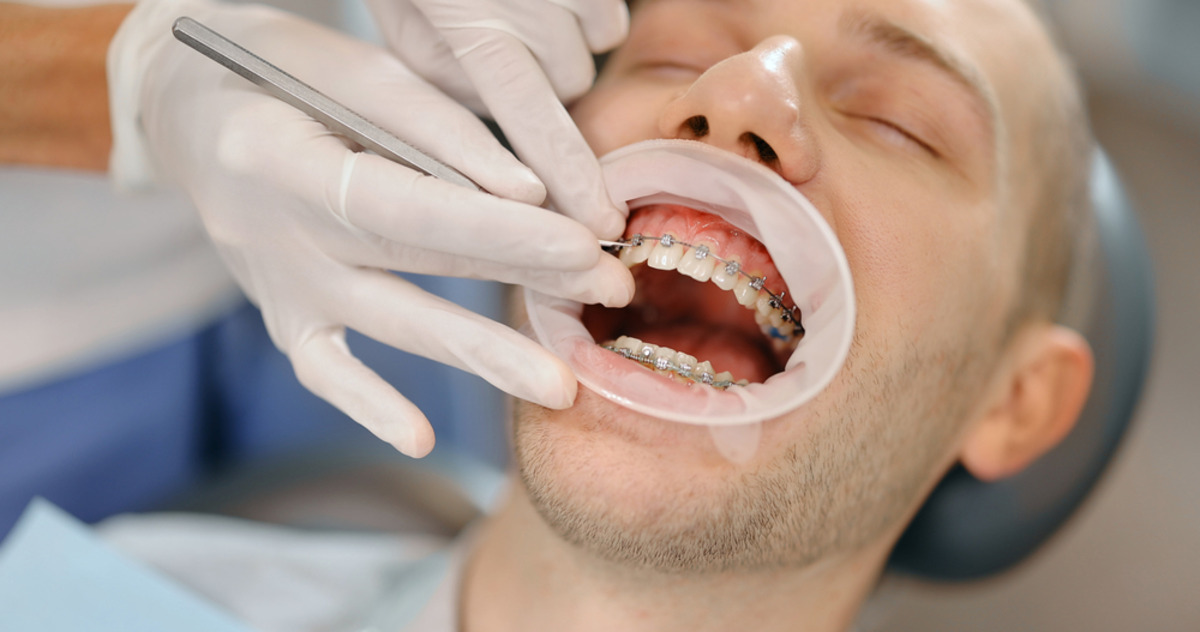
A healthy smile is about more than appearance. Properly aligned teeth make it easier to eat, speak, clean your teeth, and maintain long-term oral health. While many people associate braces and clear aligners with teenagers, orthodontic treatment can benefit patients of all ages. Recognizing the early signs of alignment problems can help prevent more serious dental issues in the future.
If you have been wondering whether your smile needs professional attention, understanding the common warning signs is the first step. Here are the most common indicators that it may be time to seek orthodontic care.
1. Crowded or Overlapping Teeth
One of the most noticeable signs of orthodontic issues is crowded teeth. When there isn’t enough space in your jaw, teeth can overlap, twist, or become difficult to clean properly. Crowding increases the risk of plaque buildup, tooth decay, and gum disease because toothbrushes and floss cannot easily reach every surface.
If you notice that your teeth appear crooked or tightly packed together, it may be time to visit a dentist in Vancouver for a professional evaluation. Early diagnosis allows for more treatment options and may shorten overall treatment time.
2. Large Gaps Between Teeth
Spacing issues are another common reason people seek orthodontic treatment. While small gaps may seem harmless, larger spaces can affect your bite and allow food particles to become trapped more easily.
Gaps may develop because of missing teeth, jaw size differences, or natural tooth positioning. Correcting these spaces can improve both the appearance and function of your smile while making oral hygiene easier.
3. Difficulty Biting or Chewing Food
Your teeth should come together comfortably when you bite. If you experience discomfort while chewing, or your teeth don’t seem to fit together properly, you may have a bite problem.
Common bite issues include:
- Overbite
- Underbite
- Crossbite
- Open bite
- Deep bite
These conditions can place unnecessary stress on your jaw muscles and teeth, leading to uneven wear or discomfort over time.
4. Frequent Jaw Pain or Clicking
Jaw pain isn’t always caused by orthodontic problems, but misaligned teeth often contribute to excessive pressure on the jaw joints. Clicking, popping, or stiffness while opening or closing your mouth should not be ignored.
An orthodontic assessment can help determine whether your bite alignment is contributing to these symptoms. Proper treatment may reduce strain on the jaw and improve overall comfort.
5. Teeth That Wear Down Unevenly
Healthy teeth should wear evenly over time. If some teeth appear shorter, flatter, or chipped while others remain unchanged, your bite may be uneven.
Poor alignment causes certain teeth to absorb more pressure than others during chewing. Without correction, this uneven force can increase the risk of enamel damage, fractures, and tooth sensitivity.
6. Speech Difficulties
The position of your teeth plays an important role in speech. Crooked teeth or significant bite problems may contribute to pronunciation difficulties or certain speech patterns.
Many patients notice improved speech clarity after completing orthodontics in Vancouver, particularly when alignment issues were affecting tongue placement or airflow during speaking.
7. Mouth Breathing
Although mouth breathing has many possible causes, dental alignment and jaw development can sometimes contribute. Children who consistently breathe through their mouths may benefit from an orthodontic evaluation, as early treatment can guide healthy jaw growth.
Adults experiencing chronic mouth breathing should also discuss their symptoms with a dental professional to determine the underlying cause.
8. Frequently Biting Your Cheeks or Tongue
If you regularly bite the inside of your cheeks or tongue while eating or talking, your teeth may not be aligned properly. This repeated irritation can become painful and affect everyday comfort.
Correcting your bite helps improve the relationship between your upper and lower teeth, reducing accidental injuries inside the mouth.
9. Your Teeth Have Shifted Over Time
Teeth naturally move throughout life. Even if you had straight teeth when you were younger, gradual shifting may occur due to aging, tooth loss, or other dental changes.
If you’ve noticed increasing crowding or movement, scheduling an orthodontic consultation can help determine whether treatment is appropriate before alignment problems become more severe.
10. You Feel Self-Conscious About Your Smile
Orthodontic treatment isn’t only about improving function. Many people choose treatment because they want greater confidence when smiling, speaking, or taking photographs.
Modern treatment options offer more comfortable and discreet solutions than ever before, making it easier for adults and teenagers to achieve straighter teeth without significant lifestyle disruption.
Benefits of Early Orthodontic Evaluation
Addressing orthodontic concerns early often provides several long-term advantages, including:
- Easier brushing and flossing
- Reduced risk of cavities and gum disease
- Improved bite function
- Better jaw comfort
- Enhanced smile appearance
- Greater confidence
- Reduced risk of excessive tooth wear
An early evaluation doesn’t always mean immediate treatment, but it allows dental professionals to monitor developing issues and recommend the best timing if treatment becomes necessary.
Treatment Options Available Today
Orthodontic care has advanced significantly over the years. Depending on your needs, treatment may include:
- Traditional metal braces
- Ceramic braces
- Clear aligners
- Retainers
- Early interceptive treatment for children
Your orthodontic provider will recommend the most suitable option based on your age, dental condition, lifestyle, and treatment goals.
When Should You See a Professional?
If you’ve noticed one or more of these signs, it’s worth arranging a professional evaluation. Waiting too long may allow alignment problems to worsen, potentially leading to more complex treatment later.
Whether your concerns involve crowded teeth, bite issues, or shifting teeth, visiting a dentist near you can help identify the underlying cause and determine whether orthodontic care is appropriate.
Conclusion
Healthy tooth alignment supports better oral health, comfortable chewing, clearer speech, and greater confidence. Recognizing the early signs of orthodontic problems allows you to seek treatment before minor concerns become major complications.
If you have questions about your smile or are experiencing any of the symptoms discussed above, don’t wait until the problem worsens. Schedule an appointment with a qualified dental professional to receive a comprehensive evaluation and personalized treatment recommendations. Early care can make a lasting difference in protecting both your smile and your overall oral health.
Learn More: Signs You Need Orthodontic Treatment