
A useful starting point for anyone asking what is a Bobinsana dieta is to separate three things that online descriptions often blend together: the plant itself, the Peruvian-Amazonian practice known as a dieta, and the emotional or spiritual claims attached to it. Without that separation, a complex tradition can easily be mistaken for a herbal cleanse or a branded retreat package.
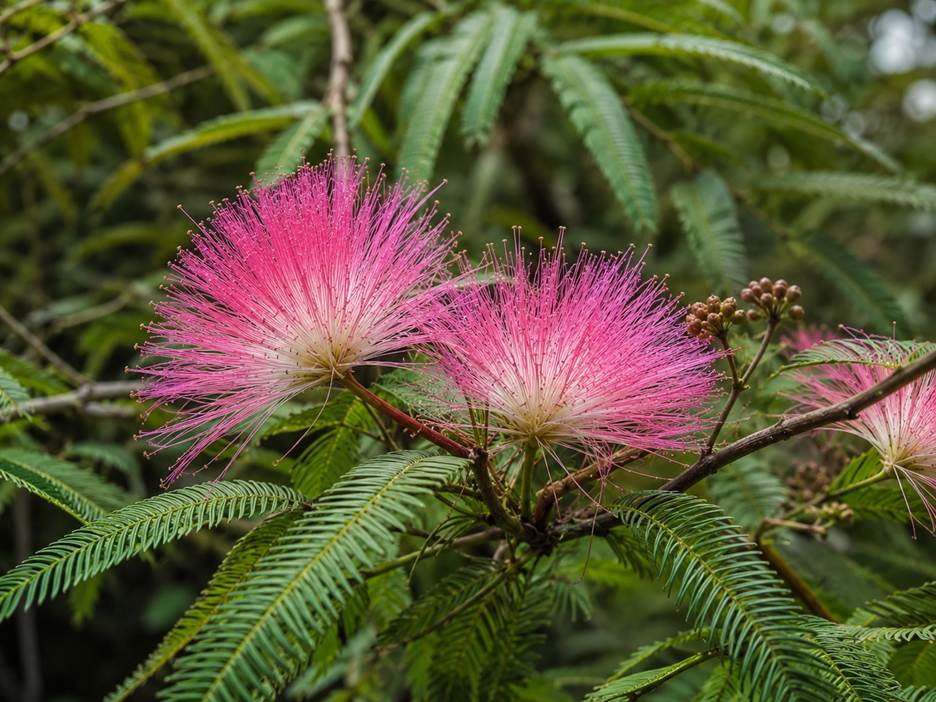
Bobinsana is most commonly identified botanically as Calliandra angustifolia. It is a shrub or small tree native to parts of north-western South America, including Peru, Ecuador, Colombia, Bolivia and northern Brazil.
It grows in wet tropical environments and has a history of use within regional plant-healing traditions.
That botanical definition is the simplest part of the story. A dieta is not merely the act of drinking a preparation made from the plant.
“Dieta” Does Not Mean a Weight-Loss Diet
Within Peruvian-Amazonian traditions, dieta can describe a disciplined period of retreat centred on a particular plant.
The practice may combine a plant preparation with food restrictions, social isolation, reduced stimulation, sexual abstinence and guidance from an experienced practitioner. The participant may spend significant periods alone, following a deliberately simple routine.
The details are not universal. Practices vary by region, healer, lineage, purpose and participant.
A dieta undertaken as part of a healer’s long-term apprenticeship may differ substantially from one offered to an international visitor seeking personal reflection. The plant preparation, duration, food restrictions and level of supervision may all change according to the setting.
This is one reason short online definitions can be misleading. They often reduce the dieta to a list of permitted foods or describe it as a form of detoxification.
In its traditional context, however, the restrictions are only one element of a wider practice involving relationships, conduct, attention and interpretation.
What Makes a Plant a “Teacher”?
“Master plant” or “teacher plant” is not a scientific botanical classification.
The phrase refers to the role a plant is understood to hold within particular knowledge systems. It may be approached as a source of instruction, relationship or healing, often under the guidance of somebody trained within that tradition.
This helps explain why a dieta includes more than consuming plant material. The restrictions create a controlled period of attention.
A participant may be encouraged to observe dreams, bodily sensations, emotional patterns and changes in perception. A guide may interpret those experiences through a cultural framework developed over years of training.
People entering from outside that culture may understand the same experience differently.
One person may use spiritual language. Another may interpret the experience psychologically. Someone else may feel little beyond physical discomfort, boredom or quiet reflection.
None of these responses establishes a universal effect, and no single account should be treated as proof of what every participant will experience.
Why Bobinsana Is Called “Heart-Opening”
Contemporary retreat descriptions often associate Bobinsana with emotional softness, grief, self-compassion, relationships, dreams and resilience.
The phrase “heart-opening” is commonly used as shorthand for those reported themes. It should not be read as evidence that the plant improves heart function or treats a cardiovascular condition.
This distinction matters because poetic language can easily slide into medical implication.
A participant may genuinely feel that an experience helped them approach grief or relationships differently. That personal account can be meaningful without proving that the plant treats depression, trauma, anxiety, inflammation or another diagnosed condition.
Traditional use, participant testimony and clinical evidence are different forms of information.
Careful discussion should identify which kind of claim is being made. A statement may be a botanical fact, a documented traditional use, a practitioner’s interpretation, a participant’s report or a finding from clinical research.
These categories should not be treated as interchangeable.
The Guide Is Part of the Intervention
The training and conduct of the guide are central to the dieta.
This makes “Who is leading the process?” as important as “Which plant is being used?”
A credible provider should explain the guide’s training, practical experience and responsibilities without relying only on grand titles. It should be clear who monitors participants, how often they are checked and what happens if somebody becomes physically or emotionally unwell.
The provider should also explain its approach to confidentiality, touch, personal boundaries and one-to-one contact.
Isolation may form part of a dieta, but isolation should not mean abandonment. Participants need to know how they can contact support and how quickly somebody can reach them.
The closing phase deserves attention as well.
Ask what “closing the dieta” involves, how restrictions end and how normal food and activity are reintroduced. Ceremonial language should not be mistaken for a complete aftercare plan.
Cultural Respect Requires More Than Vocabulary
Using words such as “master plant”, “lineage” and “ancestral” does not automatically demonstrate cultural respect.
Participants can ask who benefits financially from the programme, whether Indigenous teachers or communities are credited and compensated, and how plant material is sourced.
They can also ask what relationship the provider has with the tradition it claims to represent. Is the programme led by people with long-term training and community accountability, or has it simply adopted the language?
Environmental questions matter too. Commercial interest in traditional plants can increase pressure on local ecosystems or encourage irresponsible harvesting.
Respect therefore affects leadership, payment, sourcing, interpretation and the limits of what an outside provider claims to represent.
Understanding the Practice Without Romanticising It
A Bobinsana dieta is best understood neither as a miracle treatment nor as an exotic wellness challenge.
It is a culturally situated practice centred on a specific plant relationship, a period of restriction and the guidance used to interpret the experience.
For some people, that framework may feel spiritually meaningful. Others may understand it in emotional, psychological or cultural terms.
The responsible approach is curiosity combined with clear standards.
Verify the plant and every other substance involved. Understand the full programme rather than relying on the word “dieta”. Examine the guide’s training and accountability. Ask how emergencies, boundaries and aftercare are handled.
Seek independent medical advice where relevant, and keep traditional meaning separate from unproven clinical claims.
That approach leaves room for cultural understanding and personal experience without turning either into a guarantee.