
Introduction
Modern businesses rely on software applications to manage operations, deliver digital services, and support customer experiences. As cyber threats continue to evolve, software security has become an essential requirement rather than an optional feature. Attackers constantly search for coding flaws, insecure configurations, and application vulnerabilities that can expose sensitive information or disrupt business operations. plutosec us helps organizations reduce these risks by implementing Secure Software Development Life Cycle (SSDLC) practices that integrate security into every stage of software development. By identifying vulnerabilities early and promoting secure development practices, businesses across the United States can create resilient applications that support long term growth and customer trust.
Why Secure Software Development Matters
Traditional software development often focuses on functionality, performance, and user experience while leaving security assessments until the final stages of a project. This approach increases development costs because vulnerabilities discovered after deployment are more difficult and expensive to fix. Integrating security throughout the development lifecycle allows organizations to identify risks earlier, improve code quality, and reduce the likelihood of cyberattacks. Secure development also supports regulatory compliance, protects sensitive information, and strengthens customer confidence in digital products and online services.
Understanding Secure Software Development Life Cycle (SSDLC)
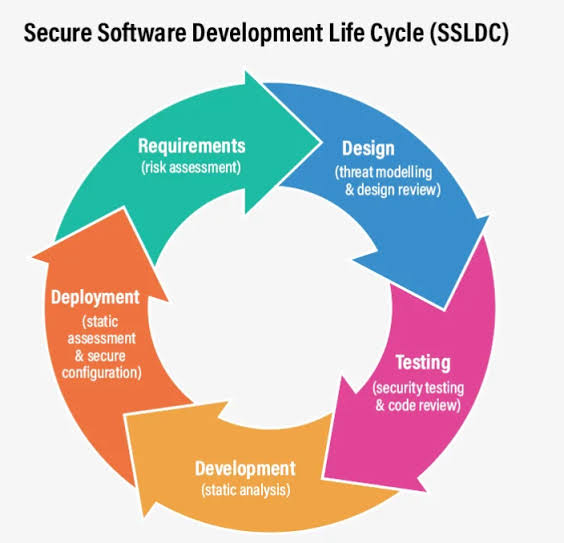
Modern cybersecurity requires organizations to consider security from the earliest planning stages through deployment and maintenance. Secure Software Development Life Cycle (SSDLC) introduces structured security activities into every phase of software creation, including planning, design, coding, testing, deployment, and ongoing maintenance. Security professionals collaborate with developers to identify risks, implement secure coding practices, validate application security, and continuously monitor for emerging vulnerabilities. This proactive methodology helps organizations build software that remains resilient against evolving cyber threats while maintaining development efficiency.
Security Planning and Threat Modeling
Effective application security begins before a single line of code is written. During the planning stage, development teams identify business objectives, security requirements, compliance obligations, and potential risks associated with the application. Threat modeling evaluates how attackers might exploit application components, user interactions, authentication processes, and data flows. Understanding these risks early allows development teams to implement stronger security controls while reducing the likelihood of vulnerabilities appearing during later stages of software development.
Secure Coding Practices Improve Software Quality
Secure coding practices reduce the introduction of vulnerabilities during application development. Developers follow established security standards that emphasize proper input validation, secure authentication, authorization controls, error handling, encryption, and session management. Regular code reviews help identify insecure programming patterns before applications reach production environments. Organizations that invest in secure coding education improve software quality while reducing common vulnerabilities such as SQL injection, cross site scripting, insecure deserialization, and broken access controls.
Code Review and Security Testing
Code review plays an important role in identifying security weaknesses that automated tools may overlook. Experienced reviewers evaluate source code for logic flaws, insecure programming techniques, and potential security risks. Automated static application security testing identifies vulnerabilities during development, while dynamic testing evaluates application behavior in runtime environments. Secure Software Development Life Cycle (SSDLC) combines manual expertise with automated security validation to provide comprehensive protection throughout software development. Early testing significantly reduces remediation costs while improving software reliability.
DevSecOps and Continuous Security Integration
Modern software development increasingly relies on DevSecOps practices that integrate security into continuous integration and continuous deployment pipelines. Automated security testing, dependency analysis, configuration validation, and compliance verification become part of routine development activities instead of isolated security reviews. Continuous integration enables development teams to identify vulnerabilities quickly while maintaining rapid software delivery. Organizations adopting DevSecOps improve collaboration between development, operations, and security teams while creating more secure and efficient development processes.
Vulnerability Assessment During Development
Security assessments performed throughout development help identify weaknesses before software reaches production. Vulnerability assessments examine application architecture, third party libraries, system configurations, and software dependencies to identify potential security risks. Security professionals prioritize discovered vulnerabilities according to business impact and exploitation likelihood, allowing development teams to focus on the most critical issues first. Proactive vulnerability management strengthens application resilience while supporting secure software delivery and regulatory compliance.
Compliance and Industry Security Standards
Many organizations must comply with industry regulations and cybersecurity standards that require secure software development practices. Implementing structured security processes helps businesses satisfy compliance requirements while protecting customer information and business assets. Secure development supports frameworks such as secure coding guidelines, application security standards, and risk management practices that demonstrate a commitment to cybersecurity. Organizations following recognized standards improve governance, strengthen stakeholder confidence, and reduce legal and financial risks associated with software vulnerabilities.
Creating a Strong Security Foundation
Successful software security depends on combining secure development practices with continuous improvement, employee awareness, and ongoing monitoring. Organizations that integrate security into planning, design, coding, testing, deployment, and maintenance create stronger applications capable of resisting modern cyber threats. Building security into every phase of development reduces operational risk, improves software reliability, and enables businesses to innovate with greater confidence while protecting valuable digital assets and customer information.
Continuous Monitoring After Deployment
Software security does not end when an application is released into production. New vulnerabilities, evolving attack techniques, and changing business requirements require organizations to continuously monitor application performance and security. Regular security assessments, configuration reviews, patch management, and vulnerability scanning help identify emerging risks before they become serious incidents. Monitoring user activity, authentication events, and application behavior also provides valuable insight into potential attacks. Continuous improvement ensures software remains secure throughout its operational lifecycle while supporting long term business resilience.
Managing Third Party Components Securely
Modern applications often rely on open source libraries, application programming interfaces, frameworks, and external services to accelerate development. Although these components improve efficiency, they may also introduce security vulnerabilities if not properly managed. Organizations should maintain software inventories, monitor vendor security advisories, and update outdated dependencies promptly. Dependency analysis and software composition analysis help identify vulnerable components before attackers exploit them. Effective management of third party software significantly reduces supply chain risks and strengthens the overall security posture of business applications.
Incident Response and Security Readiness
Despite strong preventive controls, organizations should prepare for potential security incidents through well documented response procedures. Development teams, security professionals, and business stakeholders must understand their responsibilities when vulnerabilities or attacks are identified. Incident response planning includes containment strategies, forensic investigation, remediation, recovery, and lessons learned. Security exercises and simulation testing improve organizational readiness while helping teams respond confidently to real world cybersecurity events. Effective preparation minimizes operational disruption and supports faster recovery following security incidents.
Benefits of Secure Development for Modern Businesses
Integrating security throughout software development provides measurable business advantages beyond reducing cyber risk. Organizations experience lower remediation costs, improved application reliability, stronger regulatory compliance, and increased customer confidence. Security focused development also reduces downtime caused by software vulnerabilities while enabling faster innovation through standardized security processes. Businesses that prioritize secure development create applications capable of supporting long term digital transformation while protecting valuable information and maintaining competitive advantage in increasingly connected markets.
Why Organizations Across the USA Need SSDLC
Businesses throughout the United States continue adopting cloud technologies, mobile applications, and digital platforms that require strong cybersecurity protection. Attackers increasingly target software vulnerabilities because they provide direct access to valuable information and critical business systems. Organizations implementing Secure Software Development Life Cycle (SSDLC) gain the ability to identify risks early, strengthen application security, improve development efficiency, and reduce the likelihood of costly security incidents. A proactive development strategy supports business continuity while protecting customers, employees, and organizational reputation.
Conclusion
Building secure software requires more than security testing before deployment. Effective protection depends on integrating security into every stage of application development, from planning and design through coding, testing, deployment, and maintenance. Organizations adopting Secure Software Development Life Cycle (SSDLC) improve software quality, reduce vulnerabilities, strengthen compliance, and respond more effectively to evolving cyber threats. By partnering with plutosec us, businesses across the United States can develop resilient applications that support innovation while protecting critical business data and maintaining customer trust in an increasingly digital world.
Call to Action
Strengthen your software security before vulnerabilities become costly business risks. Contact plutosec us today to learn how Secure Software Development Life Cycle (SSDLC) services can help your organization integrate security into every phase of development through secure coding, vulnerability assessments, continuous testing, DevSecOps, and compliance focused practices. Our cybersecurity experts deliver tailored solutions for businesses across the USA, helping you reduce cyber risk, protect sensitive applications, and build a secure foundation for future growth.