
The beauty industry has undergone a remarkable transformation over the last decade. What was once driven primarily by trends, celebrity endorsements, and luxury branding has evolved into a market where consumers increasingly value transparency, ingredient quality, sustainability, and ethical manufacturing. Today, clean beauty is no longer a niche category—it has become one of the fastest-growing segments in the cosmetics and skincare industry.
Modern consumers are paying closer attention to what they apply to their skin. As awareness around ingredient safety and environmental responsibility grows, brands that combine effective formulations with clean standards are earning greater trust and loyalty.
The Shift Toward Ingredient Transparency
One of the biggest reasons behind the rise of clean beauty is education. Consumers now have easier access to scientific information about skincare ingredients than ever before. Instead of purchasing products based solely on packaging or advertising, shoppers research formulations, read labels, and compare ingredient lists before making buying decisions.
This change has encouraged beauty companies to become more transparent about what goes into their products. Many brands now clearly state whether formulas are vegan, cruelty-free, paraben-free, sulfate-free, or made without other controversial ingredients.
Transparency doesn’t necessarily mean that every synthetic ingredient is harmful or that every natural ingredient is beneficial. Instead, it reflects a commitment to helping consumers make informed decisions based on reliable information and individual skin needs.
Performance Still Matters
Consumers are no longer willing to compromise between clean ingredients and product performance.
Years ago, clean beauty products often struggled with pigmentation, longevity, texture, or effectiveness compared to conventional cosmetics. Advances in cosmetic science have largely eliminated those gaps.
Today’s premium clean beauty brands are proving that thoughtfully formulated products can deliver professional-quality results while maintaining ingredient standards that many consumers prefer.
Professional makeup artists have also helped accelerate this trend by demonstrating that clean formulations can perform exceptionally well under demanding conditions, including television production, photography, weddings, and long event days.
The Rise of Professional Clean Beauty
One interesting development is the growing number of professional artists launching their own beauty collections.
Rather than simply licensing their names, many experienced makeup artists are creating products based on decades of practical experience working with diverse skin types, lighting conditions, and camera environments.
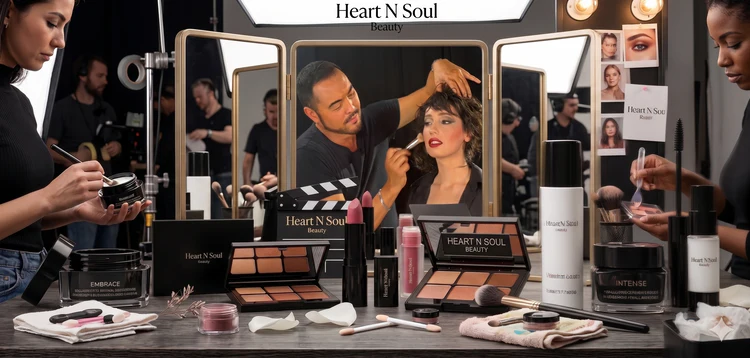
For example, Heart N Soul Beauty was founded by Emmy-nominated makeup artist Patrick Tumey after years of experience working across television, fashion, and celebrity productions. The brand focuses on combining professional-grade performance with vegan, cruelty-free formulations that appeal to today’s conscious beauty consumer. More information can be found at https://heartnsoulbeauty.com/.
This type of industry expertise often results in products designed around real-world performance rather than marketing trends alone.
Consumers Want Simplicity
Another important trend is the move toward simplified beauty routines.
Rather than using dozens of products every day, many consumers now prefer multifunctional solutions that save time while delivering multiple benefits.
Examples include:
- Hydrating foundations with skincare ingredients
- BB creams that combine moisture, coverage, and SPF
- Cream blushes suitable for cheeks and lips
- Moisturizers formulated with hyaluronic acid and antioxidants
This minimalist approach aligns well with clean beauty philosophy by encouraging thoughtful purchasing instead of excessive consumption.
Sustainability Influences Purchasing Decisions
Environmental awareness has become an important factor for beauty shoppers.
Many consumers now evaluate brands based on:
- Cruelty-free certifications
- Vegan formulations
- Recyclable packaging
- Reduced plastic usage
- Responsible sourcing
- Ethical manufacturing
While sustainability remains an evolving challenge for the cosmetics industry, companies making measurable improvements often gain stronger customer loyalty.
Consumers increasingly recognize that beauty products affect not only personal wellness but also broader environmental outcomes.
Social Media Has Changed Beauty Education
Platforms such as TikTok, Instagram, and YouTube have dramatically changed how consumers discover beauty products.
Instead of relying exclusively on traditional advertising, shoppers now learn from dermatologists, licensed estheticians, makeup artists, and everyday users who share tutorials, ingredient analyses, and product demonstrations.
This has made authenticity increasingly valuable.
Brands that provide educational content explaining ingredients, application techniques, and realistic expectations often build stronger long-term relationships with customers than those focused solely on promotional messaging.
Skin Health Is Becoming the Priority
Modern beauty consumers increasingly view skincare and makeup as complementary rather than separate categories.
Instead of covering imperfections, many individuals focus on improving overall skin health through hydration, barrier support, and gentle formulations.
Ingredients frequently associated with this approach include:
- Hyaluronic acid
- Niacinamide
- Peptides
- Ceramides
- Vitamin C
- Botanical antioxidants
These ingredients are commonly selected because they support hydration and overall skin appearance while fitting into routines designed for long-term care rather than quick cosmetic fixes.
Inclusivity Drives Innovation
Today’s beauty market also places greater emphasis on inclusivity.
Consumers expect products that accommodate diverse skin tones, skin types, ages, and personal preferences.
Brands investing in broader foundation ranges, adaptable formulations, and inclusive marketing campaigns have generally received positive responses from consumers seeking representation within the beauty industry.
Inclusivity extends beyond shade ranges to include accessibility, gender-neutral products, and solutions for sensitive or mature skin.
Trust Is the New Luxury
Luxury in beauty is no longer defined exclusively by high prices or prestige packaging.
Instead, trust has become one of the industry’s most valuable assets.
Consumers increasingly reward brands that consistently demonstrate:
- Honest marketing
- Ingredient transparency
- Ethical manufacturing
- Product consistency
- Responsive customer service
- Educational resources
Businesses that establish credibility often generate stronger customer retention than those relying primarily on short-term advertising campaigns.
Consumers appreciate companies that openly explain their philosophy, sourcing standards, and product development process.
Those interested in learning more about professional clean beauty formulations can explore the brand’s skincare and cosmetics collections at https://heartnsoulbeauty.com/collections/all.
Looking Ahead
The clean beauty movement continues to evolve alongside advances in cosmetic science, ingredient research, and consumer education.
Future innovation will likely focus on:
- Biotech-derived ingredients
- Personalized skincare
- Sustainable packaging innovations
- Microbiome-friendly formulations
- Water-conscious manufacturing
- Greater supply chain transparency
As consumers become even more informed, brands will need to demonstrate both product effectiveness and ethical responsibility.
Companies capable of balancing scientific innovation, sustainability, and professional performance are well positioned to succeed in an increasingly competitive marketplace.
Conclusion
Clean beauty represents more than a passing trend. It reflects broader changes in consumer priorities, including transparency, wellness, sustainability, and informed purchasing decisions.
Today’s shoppers expect products that perform well while aligning with their personal values. As cosmetic science continues to advance, clean formulations are increasingly capable of delivering professional-quality results without sacrificing ingredient integrity.
Brands founded by experienced industry professionals, such as Heart N Soul Beauty, illustrate how expertise and thoughtful product development can meet the expectations of modern consumers seeking both performance and responsibility. Readers interested in learning more about the company’s philosophy and clean beauty approach can visit https://heartnsoulbeauty.com/pages/about-us.