
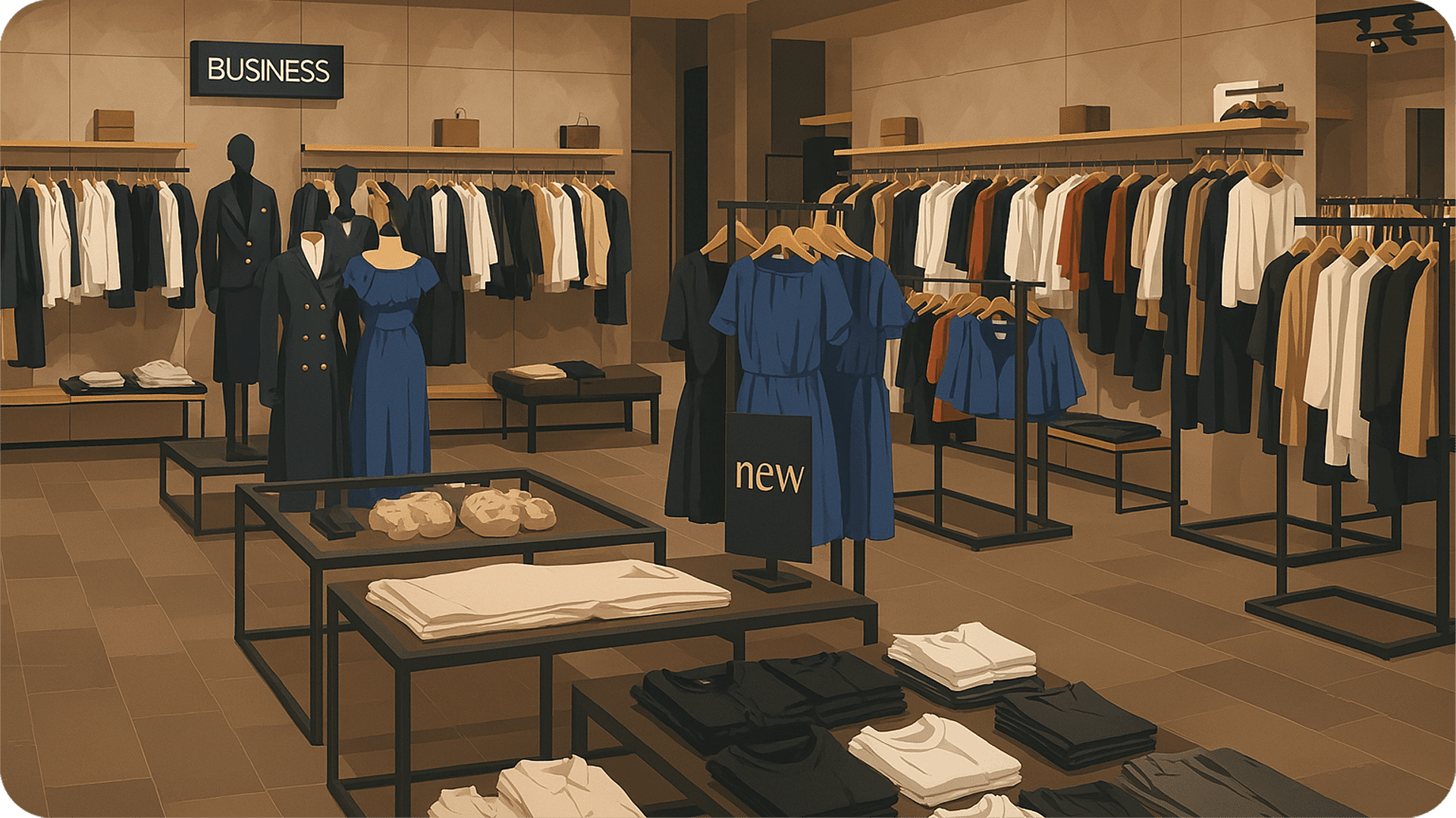
Walk into any good shop and you can feel it straight away. You know where to look, what seems worth picking up, and which parts of the space feel inviting instead of cluttered. None of that happens by accident. Retail display has a quiet way of steering attention, and even basic fixtures like shelves for shop setups can completely change how products are seen.
That’s the funny thing about shopfitting. Customers rarely stop to admire the shelving itself, but they absolutely respond to what it does. A well-laid-out space makes browsing feel easy. A messy one makes everything harder work.
People don’t browse as patiently as shop owners hope
Most shoppers aren’t drifting through a store in a slow, thoughtful trance, taking in every product with equal care. They’re scanning. They’re making snap calls. Their eyes land where the layout tells them to land.
If products are stacked awkwardly, hidden behind visual clutter, or arranged in a way that feels chaotic, people move on faster than you’d think. It doesn’t mean the products are bad. It just means the display is making them work too hard.
Good shelving helps remove that friction. It gives products space to breathe and makes the whole shop feel easier to read.
The layout shapes the mood of the store
Retail fixtures do more than hold stock. They help set the tone.
Clean, open shelving can make a store feel modern and curated. Denser shelving can create a sense of abundance, though there’s a fine line between full and overwhelming. Low shelving can open up sightlines and make the shop feel more relaxed. Taller units can create structure, but they need to be used carefully or the space starts feeling boxed in.
That’s where the display side of retail gets more interesting than people expect. You’re not only storing products. You’re building a visual rhythm that affects how the customer moves through the room.
Better display usually leads to better product discovery
One of the easiest ways to lose sales is to make products hard to notice.
Sometimes a customer would happily buy something if they saw it properly, but it gets buried in a crowded corner or mixed into a shelf that has no clear logic. The result is a shop full of stock that never quite gets its chance.
A stronger shelving setup helps products come forward. Customers can see categories more clearly, compare items without digging, and spot things they didn’t come in for but are now tempted by. That’s often where the best add-on purchases come from, not aggressive selling, just a display that makes the range feel more visible and more appealing.
A tidy shop feels more trustworthy
People do judge shops by how they’re presented. Not in a harsh or overly conscious way, but enough for it to affect how they feel in the space.
If the shelving is unstable, mismatched, cramped, or visibly overloaded, the shop can start feeling a bit scrappy, even if the products themselves are good. On the other hand, when the display looks thought-through, customers tend to assume the business is organised in other ways too.
Presentation carries a lot of weight in retail. It affects perceived quality, even before someone checks the price tag.
Fixtures can help tell customers what matters
A smart layout doesn’t treat every product the same.
Some items deserve prime placement because they’re new, high-margin, seasonal, or visually strong. Others can sit a little further back. Shelving lets a shop guide that hierarchy without making it feel forced. Eye-level display, grouped collections, feature sections, and focal points all help tell the customer where to pause.
That doesn’t need to be over-designed. In fact, the best retail spaces often feel simple. But underneath that simplicity, the layout is doing a fair bit of persuasive work.
Flexibility matters more than people think
Retail changes quickly. Stock changes, promotions change, seasons change, customer behaviour changes. A shop display that only works for one exact product mix becomes annoying very fast.
That’s why flexible shelving tends to be such a practical choice. If the setup can be adjusted, reworked, or expanded without causing a full headache, the store becomes easier to manage over time. You can trial different arrangements, make space for featured lines, or refresh the floor without feeling like you need to start from scratch every few months.
For smaller retailers especially, that kind of adaptability is worth a lot.
Small shops have even more reason to get this right
When floor space is limited, every display decision carries more weight.
A compact store can feel charming and efficient, or it can feel cramped and stressful. Often the difference comes down to layout. Smart shelving helps smaller spaces stay shoppable. It lets the owner show enough range without crowding the customer, and it helps define where attention should go first.
That balance is hard to fake. You either feel comfortable moving through the store, or you don’t.
Display affects how long people stay
The easier a shop is to browse, the longer people tend to linger. That extra time matters.
Once shoppers slow down, they notice more. They start comparing. They pick things up. They wander into areas they might’ve skipped if the display had felt too dense or confusing. A good layout buys a shop more attention, and attention is half the battle in retail.
No one says, “I stayed because the shelving was well considered.” They just stay.
The best display feels natural
That’s probably the goal. A retail layout shouldn’t feel like it’s trying too hard to impress people. It should simply make the shop feel good to move through.
When the shelving is working, the products look stronger, the space feels clearer, and the customer experience gets smoother without anyone needing to think much about why. That’s what good display does. It sells quietly, in the background, while the customer feels like they’re just having an easy browse.