
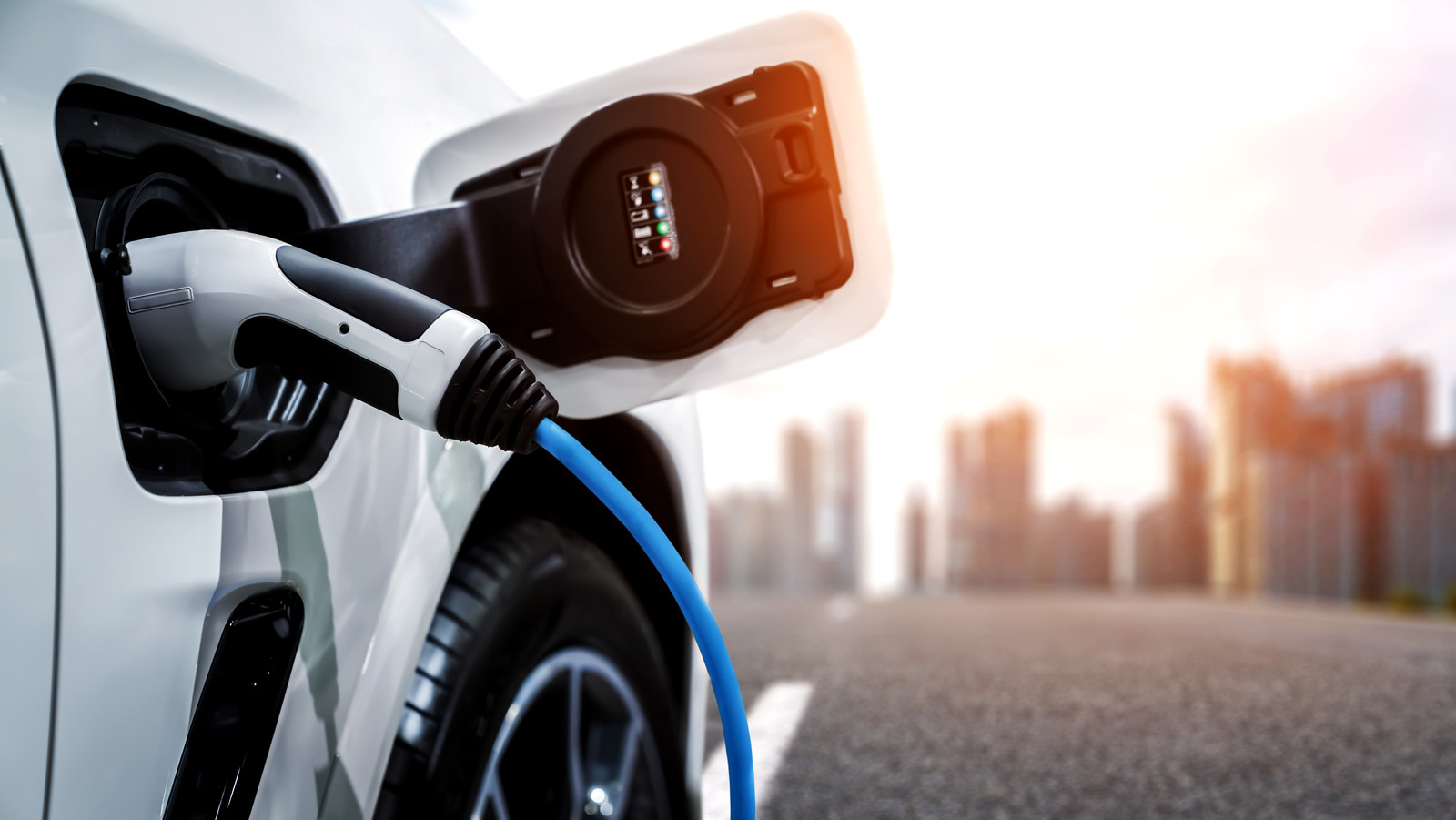
As electric vehicles continue to grow in popularity, more drivers are looking for reliable and convenient electric vehicle charging solutions. Whether you recently purchased an EV or are planning to switch from a gas-powered vehicle, understanding how EV charging works can help you save time, reduce charging costs, and improve battery performance.
Many EV owners experience common challenges such as slow charging speeds, limited public charging access, battery range anxiety, or confusion about charging station compatibility. The good news is that modern EV charging technology is making charging faster, smarter, and more accessible than ever before.
This guide explains the different types of electric vehicle charging, common charging problems, and practical solutions that help EV owners charge their vehicles more efficiently.
Understanding the Different Types of EV Charging
Electric vehicle charging is generally divided into three charging levels. Each level offers different charging speeds and is suitable for specific situations.
Level 1 Charging
Level 1 charging uses a standard household outlet. It is the slowest charging option but works well for overnight charging or low daily mileage drivers. Most EVs can gain a few miles of range per hour with Level 1 charging.
This option is affordable because it does not require special equipment, but it may not be ideal for drivers with long commutes or frequent travel needs.
Level 2 Charging
Level 2 EV charging is one of the most popular options for homes and businesses. It requires a dedicated charging unit and provides significantly faster charging compared to Level 1 systems.
Many homeowners install Level 2 chargers in garages or driveways to fully recharge their electric vehicles overnight. Commercial properties, apartment complexes, shopping centers, and workplaces are also increasingly installing Level 2 charging stations to support EV drivers.
DC Fast Charging
DC fast charging stations are designed for rapid charging during road trips or emergency charging situations. These stations can charge many electric vehicles to a substantial battery level in a short amount of time.
Fast charging stations are commonly located along highways, urban charging hubs, and busy commercial areas. Although they are highly convenient, frequent use of DC fast charging may slightly increase long-term battery wear if used excessively.
Common EV Charging Problems and Solutions
Slow Charging Speed
One of the most common complaints among EV owners is slow charging performance. Several factors can contribute to this issue, including incompatible charging equipment, low power supply, extreme temperatures, or battery management limitations.
To improve charging speed:
- Use the correct charger for your vehicle
- Schedule charging during off-peak hours
- Keep charging equipment properly maintained
- Avoid charging in extreme heat whenever possible
Installing a professional Level 2 charging station can dramatically improve charging efficiency for daily use.
Charging Station Availability
Public charging station availability can sometimes become frustrating, especially during peak travel times. Drivers may encounter occupied stations, long wait times, or limited charger compatibility.
Planning charging stops ahead of time using EV charging apps can help reduce stress and improve travel convenience. Many newer charging networks now provide real-time station availability updates.
Battery Range Anxiety
Range anxiety remains one of the biggest concerns for new EV owners. Drivers worry about running out of battery power before reaching a charging station.
Fortunately, modern electric vehicles now offer improved battery ranges, intelligent navigation systems, and expanded charging infrastructure. Simple habits such as monitoring battery levels, using regenerative braking, and avoiding aggressive acceleration can help maximize driving range.
Benefits of Home EV Charging
Home charging offers convenience, flexibility, and long-term savings for electric vehicle owners. Instead of searching for public charging stations, drivers can recharge their vehicles overnight and start each day with a full battery.
Home EV charging also helps reduce charging costs because residential electricity rates are often lower than public charging prices. Some utility companies even offer special off-peak EV charging rates to encourage overnight charging.
Professional installation is important for ensuring charging safety and proper electrical performance. A qualified electrician can help determine the correct charging setup based on vehicle requirements and household electrical capacity.
For homeowners interested in reliable charging solutions, consider linking to your service page using anchor text such as professional EV charging installation services or home electric vehicle charging solutions.
Smart EV Charging Technology
Smart charging systems are changing the future of electric vehicle charging. These systems allow users to control charging schedules, monitor energy usage, and optimize charging efficiency through mobile apps and connected devices.
Smart chargers can help reduce electricity costs by automatically charging vehicles during lower-rate periods. Some advanced systems also integrate with solar energy systems and home energy management platforms.
Businesses are increasingly adopting smart commercial EV charging stations to attract customers, support employees, and prepare for the growing demand for sustainable transportation.
Why Reliable EV Charging Infrastructure Matters
As more drivers adopt electric vehicles, reliable charging infrastructure becomes increasingly important for communities, businesses, and property owners. Convenient charging access encourages EV adoption while supporting environmental sustainability goals.
Cities, shopping centers, hotels, apartment buildings, and workplaces are rapidly expanding EV charging options to meet growing demand. Installing modern charging stations can also increase property value and improve customer satisfaction.
For companies offering charging services, using relevant internal or external anchor text like fast mobile EV charging services or emergency EV charging assistance can help users quickly find the right support when needed.
Final Thoughts
Electric vehicle charging technology continues to evolve rapidly, making EV ownership more practical and convenient for everyday drivers. Understanding charging levels, avoiding common charging problems, and using smart charging strategies can help improve your overall EV experience.
Whether you charge at home, at work, or on the road, investing in reliable charging solutions helps maximize efficiency, reduce downtime, and support long-term battery performance. As charging infrastructure continues to expand, electric vehicles are becoming an increasingly practical and sustainable transportation choice for drivers everywhere.