

In most cultures in the world, elders are revered and treated with the upmost respect and honor during their final years. Unfortunately, in the western world, our seniors are often completely removed from society and hidden away in nursing homes to live out their lives in a lonely and shameful existence. Even more mortifying is the horrific treatment that many seniors receive in these elder care facilities. Statistics show that one in ten Americans ages 60 and older have experienced some form of elder abuse.
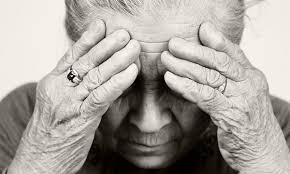
Some estimates range as high as five million elders who are abused each year. (National Council on Aging, hereinafter, NCOA). Sadly, at least five cases of elder abuse go unreported for everyone case (Peck Law Group). With these startling statistics, it is difficult to dispute that something needs to change.
Educating ourselves on what elder abuse looks like and how to identify the signs is the first step in protecting the invaluable seniors of our society. Elder Abuse includes physical, emotional, sexual, or financial abuse as well as exploitation, neglect and abandonment (NCOA). While identifying signs of abuse may be difficult to discern due to the social isolation that many of these seniors reside, they can be recognized with due diligence. Physical abuse is more easily identified as it will reveal itself in bruises, pressure marks, abrasions or burns (NCOA).
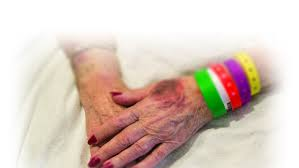
A more passively displayed abuse is emotional or verbal. Signs of these types of abuse can be shown through unexplained withdrawal from normal activities, a sudden change in alertness or unusual depression or strained relationship between patient and caregiver. If these symptoms are identified, further investigation into the patient’s environment should be made immediately. It is vital to remove elders from an abuse environment immediately as abused elders have a 300% higher risk of death when compared to those who have not been mistreated (Peck Law Group).
Anyone who suspects that an older person is mistreated should contact local Adult Protective Services Office, Long-Term Care Ombudsman or the Elder Hotline to learn about additional ways to get help (NCOA). In attempts to be proactive in preventing future cases, we need to take a closer look at the elder care facilities.
Many times, elder care living facilities are understaffed, under-qualified and unsupervised. As a result, the people that we should be treating with honor are relegated to institutions where they are treated only slightly better than that of a common criminal.

If I had my druthers, I would legislate mandates to properly assess this issue and instill new patterns of practice that would improve the quality of care offered in elder care facilities.
There are several measures that I would implement to improve the quality of care offered at senior care institutions. The first would be to instill strict screening process for the employment of health care providers.
Proper background checks and on-going periodic follow-up assessments policies should be in place to both select and oversee the employees. The care givers should not only possess the requisite education and training, but they should be compassionate about their work. The nurses hired to work with these precious residents should have the drive and determination to care for their patients as if they were their own parents.

In addition to the quality of the staff working at the elder care facilities, the quantity of staff members also must be re-evaluated. Many of senior care homes are grossly understaffed. I would insist on a nurse to patient ratio that would allow the nurses to not only care for the individual needs of their patients but give them the opportunity to actually get to know their patients on a more personal basis. This would benefit both the patient and the nurse alike and lead to a more positive and more successful patient care environment. The nurses would not be understaffed and thus able to do their jobs more thoroughly. In turn, the patients would feel more important, as their nurses would actually be able to take time to listen to them and better assess their needs.
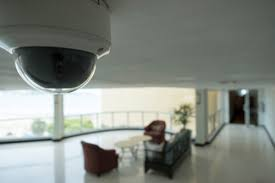
Another policy that I would insist upon in elder care facilities would be stricter supervision regulations. Health care providers would be regularly monitored through cameras and supervisory assessments. At any given time, staff members could be viewed by superiors to assess their standard of care. Staff would be assessed and regular intervals and rewarded for going above and beyond to assist a patient or situation. This incentive plan would not only encourage staff to be extra vigilant in their patient care but would serve to boost the moral of the entire facility as well.
There is no better way to boost the moral of employees than by offering competitive salary and benefit packages commensurate with their skill and education. As a whole, nurses and particularly nurse aids working in nursing care facilities are grossly underpaid. This results in lower standard of care and un-motivated employees. I would insist on paying the nurses and their aids higher rates for their services. Not only would the employees start at a higher pay scale, but they would re-evaluate at regular intervals and given the opportunity to obtain bonuses and pay increases during their employment.
Lastly, I would create a more transparent atmosphere at elder care facilities. Many complaints filed at negligent nursing homes are difficult to prosecute for lack of evidence or competent witnesses. I would insist that each facility be required to post every compliant, compliment or comment on a public media outlet that is available to the public in an unfiltered capacity. While protecting the patient would still be the first priority, the properly redacted comments would be available on-line for anyone to view when discerning which home is best for their loved ones. I believe that by insisting on full transparency, these facilities would be more cautious in their actions in an effort to preserve the integrity and reputation of their establishments.
In sum, I feel that improving the quality of care at elder care facilities is a two-part step. First, we need to address the “why” behind the deteriorating standard of care, and second, we need to address the “how” with regard to future changes. The “why” can most probably be explained by the historically underpaid, under-staffed and under-trained conditions which most nurses and aids at nursing homes are forced to work in.
The “how” question can be answered by implementing the practices and policies set forth above. We need to first properly care for the health care providers, and then the health care providers will be in a better position to offer improved care, attention and compassion to their patients. By working together to create a better work environment for the nursing staff, we will simultaneously be creating a better living environment for our beloved seniors. Collectively, we can rid the world of elder abuse and offer honor and respect to these reverent citizens.
____________________________________________________________________________________________________________
Works Cited
“Elder Abuse Statistics & Facts : Elder Justice.” NCOA, 15 June 2018, www.ncoa.org/public-policy-action/elder-justice/elder-abuse-facts/.
“PLG Nursing Home Abuse and Neglect Injury Attorneys in California.” PLG Nursing Home Abuse & Neglect Personal Injury Attorney Los Angeles, www.premierlegal.org/.
Figure 1: https://www.google.com/url.elder abuse//reachofhaywood.org/elder-abuse/.
Figure 2: Gibbons, Sammy. “For Boomers, Elder Abuse Is a Growing Problem. Answers May Come from 4 Wisconsin Communities.” Press Gazette Media, Green Bay Press-Gazette, 5 Nov. 2019, www.greenbaypressgazette.com/story/news/local/door-co/2019/11/05/wisconsin-elder-abuse-solutions-may-come-door-county-others/3903049002/.
Figure 3: T, Kirill. “Overworked Nurses Are Killing Your Healthcare Business.” Qminder, Qminder, 26 Jan. 2018, www.qminder.com/nurse-overload-consequences/.
Figure 4: https://www.google.com&source=image.com%2Fvideoevidence%2F&psig//.Figure 5: Arsenault, Sue. “5 Tips for Respecting Your Parent’s End-of-Life Wishes.” Home Care Assistance of Portland, 27 Nov. 2018, www.homecareassistanceportlandmaine.com/honoring-a-seniors-end-of-life-wishes/.