
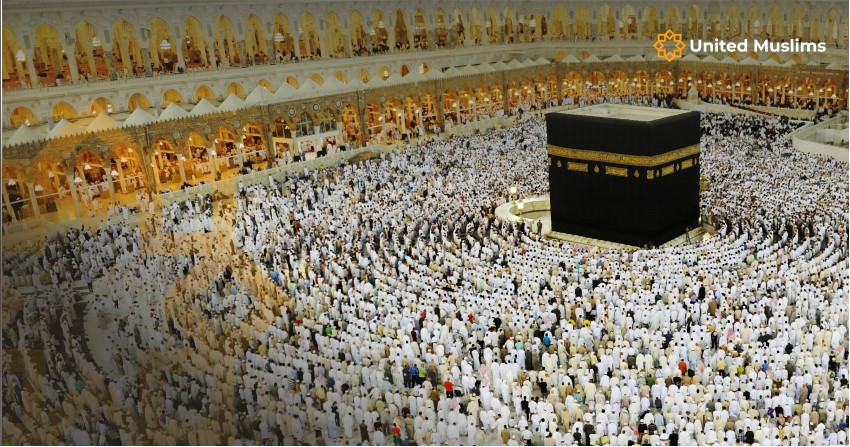
If you’re hunting for a practical Hajj guide that cuts through the noise, this is it. Hajj rituals look straightforward on paper, but the reality hits different when you’re on the ground. Small slip-ups in your Hajj step-by-step plan can drain your energy, ruin your focus, or even force you to repeat rites.
With Hajj 2026 landing in late May, the heat will be brutal. Daytime highs often push 40–46°C in Mecca. That changes everything about preparation. This Hajj list breaks down the top 10 mistakes I see every year and explains exactly how to avoid them so you stay safe, on schedule, and focused on the real purpose of the journey.
Not Preparing Physically
Most pilgrims underestimate how much ground they’ll cover. You have to easily cover 15–20 km a day between Mina, Arafat, Muzdalifah, and the Jamarat. Add the sun and crowds, and you’re exhausted by day two.
Therefore, you need to train ahead. Walk 8–10 km daily for three months before Hajj 2026, wearing the exact shoes and socks you’ll use. Build heat tolerance by walking during the hottest part of your local day and practice sipping 500 ml of water every hour. Throw in bodyweight squats and lunges so your legs don’t give out on the long stoning days.
Ignoring Health Precautions
Crowds spread everything from respiratory bugs to heatstroke. Skipping vaccines or meds can result in prolonged sickness, and instead of enjoying the spirit of Hajj in Arafat, you would be trapped in medical emergency wards.
So, while you have planned to go to Hajj this year, book a doctor visit in the UK weeks ahead of your travel schedule. Get the mandatory meningococcal ACWY vaccine, plus flu and COVID shots. Pack your regular prescriptions in a carry-on with a copy of the script. Stock electrolyte powder, anti-diarrhoea tablets, and a thermometer.
It is also recommended to wear your ihram during Hajj rituals. Damp clothing will keep your body temperature down and can help prevent exhaustion from excessive sweating.
Incorrect Ihram Practices
Most pilgrims have little experience with tying ihram. After years of wearing jeans and trousers, many British Muslims struggle with ihram, and instead of focusing on making duas, they keep adjusting their ihram sheet. Common mistakes include tying the wrong ihram knot, forgetting the niyyah, or exposing shoulders at the wrong time. While these errors may seem minor, they can invalidate your state of ihram.
It is highly recommended to practise beforehand. You can join a community, seek guidance from an experienced pilgrim, or watch online tutorials. Use two clean white sheets as ihram, keeping your right shoulder exposed when wrapping the upper sheet. Say your niyyah clearly before crossing the miqat. Pack safety pins and a spare ihram set, and ask your group leader to check you before leaving the hotel.
Mismanaging Time
Missing the standing at Arafat or leaving Muzdalifah too early is the most common reason people have to redo the hajj. The timings for the different rituals of Hajj are non-negotiable. You sho
Print or screenshot the exact 2026 schedule for the days of Mina, Arafat, and Muzdalifah, and the day of stoning. Moreover, you should stick with your group’s bus times instead of wandering off for a seamless experience, as individual pilgrims often struggle with the routes and routines of Hajj rituals.
Overpacking or Underpacking
Many pilgrims tend to overpack for Hajj, which not only leads to struggling with heavy luggage at airports and Mina camps but also incurs extra costs for excess baggage. On the other hand, not bringing enough clothing can be equally challenging, as you may be forced to buy overpriced items during the peak Hajj season. Considering the warm weather, the main Hajj rituals, which last over five days, and the overall duration of your trip, it’s important to pack only the Hajj essentials.
Limit your luggage to a 20 kg checked bag and a small backpack. Must-haves include 3–4 sets of breathable ihram/underclothes, flip-flops that won’t slip on wet marble, a lightweight umbrella for sun, electrolyte packets, small scissors (blunt tip), and a foldable prayer mat.
Neglecting Spiritual Preparation
You nailed the logistics but forgot why you’re there. The rituals feel more like a checklist than worship.
Thus, you should spend the time reading one short chapter of the Qur’an daily and learning the exact duas for each station. Memorise the Talbiyah and the Arafat supplication. Keep a small notebook for personal duas; writing them down keeps your mind present when crowds get overwhelming.
Lack of Patience in Crowds
Pushing, shouting, or panicking in the Jamarat or Tawaf turns a sacred space into chaos and risks injury.
For a calm experience, you should move with the flow, not against it. Keep your eyes on the ground two meters ahead. If you feel anger rising, repeat “Labbayk Allahumma Labbayk” out loud. It resets your brain in seconds. Follow the Saudi crowd-control barriers; they’re there for a reason.
Improper Use of Technology
Constant phone scrolling kills your focus. Some pilgrims also get flagged for filming inside the Haram.
So instead of spending your Hajj scrolling and clicking, use your phone only for navigation, group chat, and quick photos of your group (no selfies in ihram during rites). Download offline maps and the official Saudi Hajj app before you land. Switch to “Airplane Mode” and low brightness to save battery in the heat.
Not Following Group or Authority Instructions
In the spirit of being a dedicated pilgrim or rushing to perform more ibadat than others, some people go rogue. They adopt a “do your own thing” mindset, which often results in missed buses, lost luggage, or blocked routes.
Your guide has done this dozens of times. Stay glued to the group flag or wristband. Listen to the live announcements over the loudspeakers. If you get separated, head straight to the nearest police point with your hotel card; they’ll get you back fast.
Forgetting Charity and Good Deeds
During Hajj, the rituals can take over, and it’s easy to forget other good deeds and charity. Although Hajj is considered a major form of Financial ibadah, Sadaqah still holds an important place. Moreover, Hajj is about community unity and a sense of belonging to the wider Muslim community.
While on your Hajj journey, make an effort to give charity. Pack 200–300 SAR in small notes and hand them out quietly to cleaners, elderly pilgrims, or anyone struggling with luggage. Carry extra dates or water bottles to share in the tents. You can also make online donations to trusted Muslim charities like United Muslim, helping your donations reach those in need globally.
Even if you are not performing Hajj this year and reading this Hajj guide just to gain knowledge, consider it a gentle reminder to help those in need, people who may not even have enough food to eat, rather than performing Hajj themselves. Your Sadaqah can reach them and make a meaningful impact.