
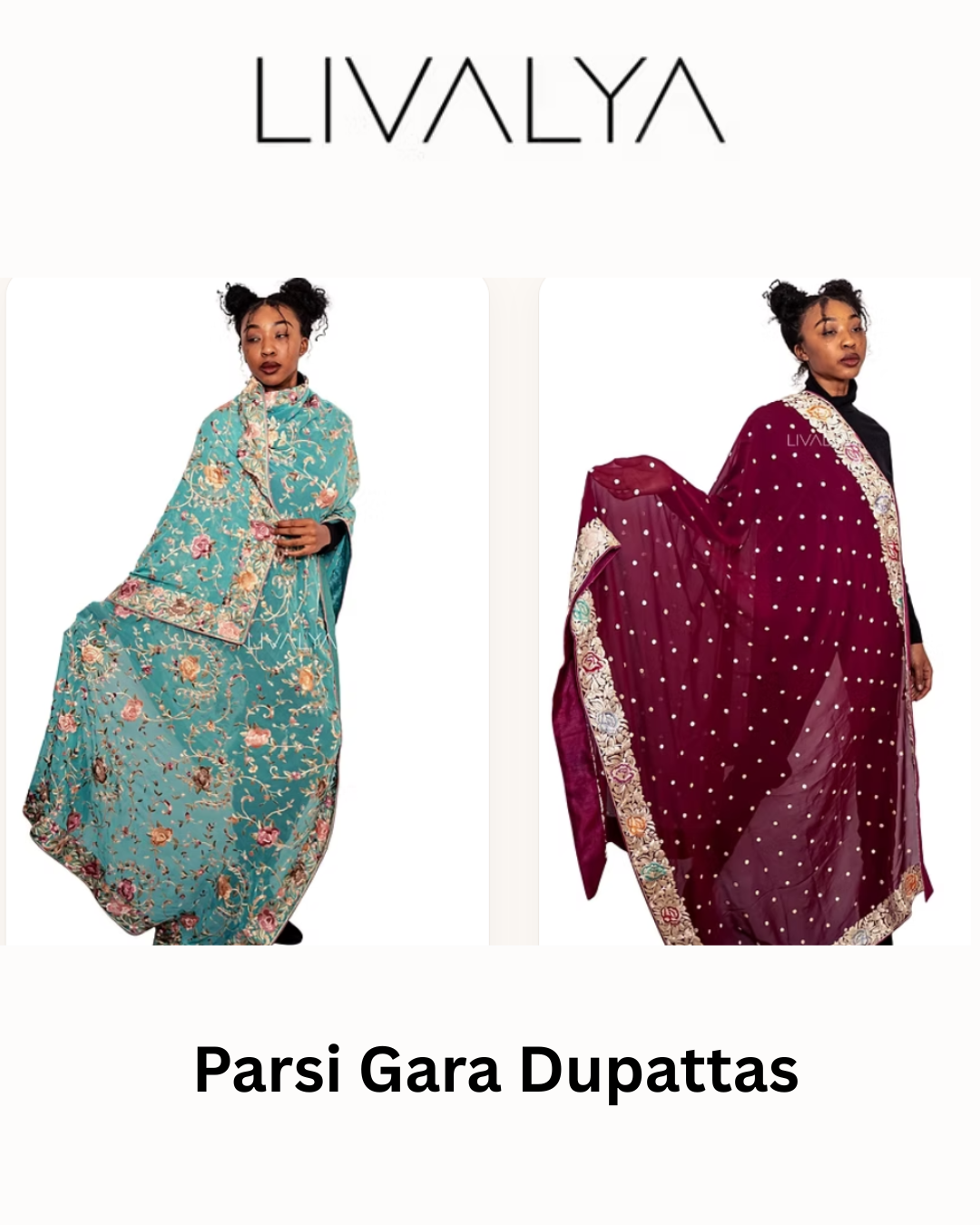
Fashion trends may evolve with every season, but some pieces remain timeless. Among these treasured creations, Parsi Gara Dupattas hold a special place for their intricate craftsmanship, cultural significance, and unmatched elegance. Once cherished primarily within the Parsi community, these handcrafted masterpieces have now become an integral part of modern Indian fashion, inspiring designers, stylists, and fashion enthusiasts across generations.
The Rich Heritage of Parsi Gara Dupattas
The story of Parsi Gara embroidery dates back centuries and reflects a beautiful blend of Persian, Chinese, and Indian artistic influences. Introduced to India through trade routes, the embroidery style became closely associated with the Parsi community and evolved into one of the country’s most celebrated textile traditions.
Traditional Parsi Gara designs are known for their exquisite hand embroidery featuring motifs such as:
- Peacocks and cranes
- Blossoming flowers and vines
- Lotus patterns
- Paisleys and nature-inspired elements
- Storytelling scenes and symbolic artwork
These intricate details often require weeks or even months of skilled craftsmanship, making every dupatta a true work of art.
How Parsi Gara Dupattas Are Shaping Modern Indian Fashion
1. Bridging Tradition and Contemporary Style
One of the biggest reasons behind the growing popularity of Parsi Gara Dupattas is their versatility. Modern fashion embraces heritage pieces that can be styled in fresh ways, and Gara dupattas fit perfectly into this trend.
Fashion lovers today pair them with:
- Minimalist kurtas
- Contemporary lehengas
- Designer sarees
- Indo-western outfits
- Elegant evening wear
A single Parsi Gara dupatta can instantly transform a simple outfit into a sophisticated statement look.
2. The Rise of Slow and Sustainable Fashion
As consumers move toward sustainable fashion choices, handcrafted textiles are receiving renewed appreciation. Parsi Gara Dupattas represent slow fashion at its finest, celebrating artistry, patience, and traditional craftsmanship rather than mass production.
Owning a handcrafted Gara piece is often viewed as an investment in heritage and quality rather than a short-lived trend.
3. Popular Among Younger Generations
What was once considered ceremonial attire is now being embraced by younger fashion enthusiasts. Designers have introduced lighter fabrics, contemporary colour palettes, and modern styling options that make Gara embroidery appealing to a new audience.
Many young women style Parsi Gara Dupattas with monochrome outfits, fusion wear, and festive ensembles, giving traditional embroidery a fresh identity.
4. Influencing Designer Collections
Several Indian designers and textile revivalists have incorporated Gara embroidery into their collections, helping preserve the craft while making it relevant for today’s market. Modern adaptations feature oversized motifs, lighter embroidery placement, and innovative draping styles without compromising the essence of traditional Gara artistry.
The Signature Beauty of Parsi Gara Motifs
The charm of a Parsi Gara Dupatta lies in its storytelling embroidery. Some of the most iconic motifs include:
- Birds in flight symbolising freedom and prosperity.
- Floral vines representing growth and beauty.
- Peacocks and lotuses inspired by Indian culture.
- Chinese-inspired designs reflecting historical trade influences.
These motifs give each dupatta a unique personality and timeless appeal.
Why Fashion Enthusiasts Continue to Love Parsi Gara Dupattas
Modern Indian fashion values individuality, craftsmanship, and cultural authenticity. Parsi Gara Dupattas embody all three qualities, making them ideal for weddings, festive celebrations, cultural events, and even contemporary formal wear.
Their ability to complement both traditional and modern silhouettes ensures they remain relevant year after year. Rather than following fashion cycles, Gara embroidery continues to define elegance on its own terms.
Discover Timeless Elegance with Livalya
Brands like Livalya are helping preserve this remarkable craft by offering beautifully handcrafted Parsi Gara Dupattas that honour tradition while embracing modern style. From richly embroidered statement pieces to versatile designs suitable for contemporary wardrobes, these collections allow fashion lovers to experience the beauty of heritage craftsmanship every day.
Conclusion
Parsi Gara Dupattas are far more than beautiful accessories—they are symbols of history, artistry, and cultural exchange. Their influence on modern Indian fashion highlights a growing appreciation for heritage textiles that combine luxury with authenticity.
As Indian fashion continues to celebrate craftsmanship and individuality, Parsi Gara Dupattas remain a shining example of how traditional artistry can inspire contemporary style for generations to come.