
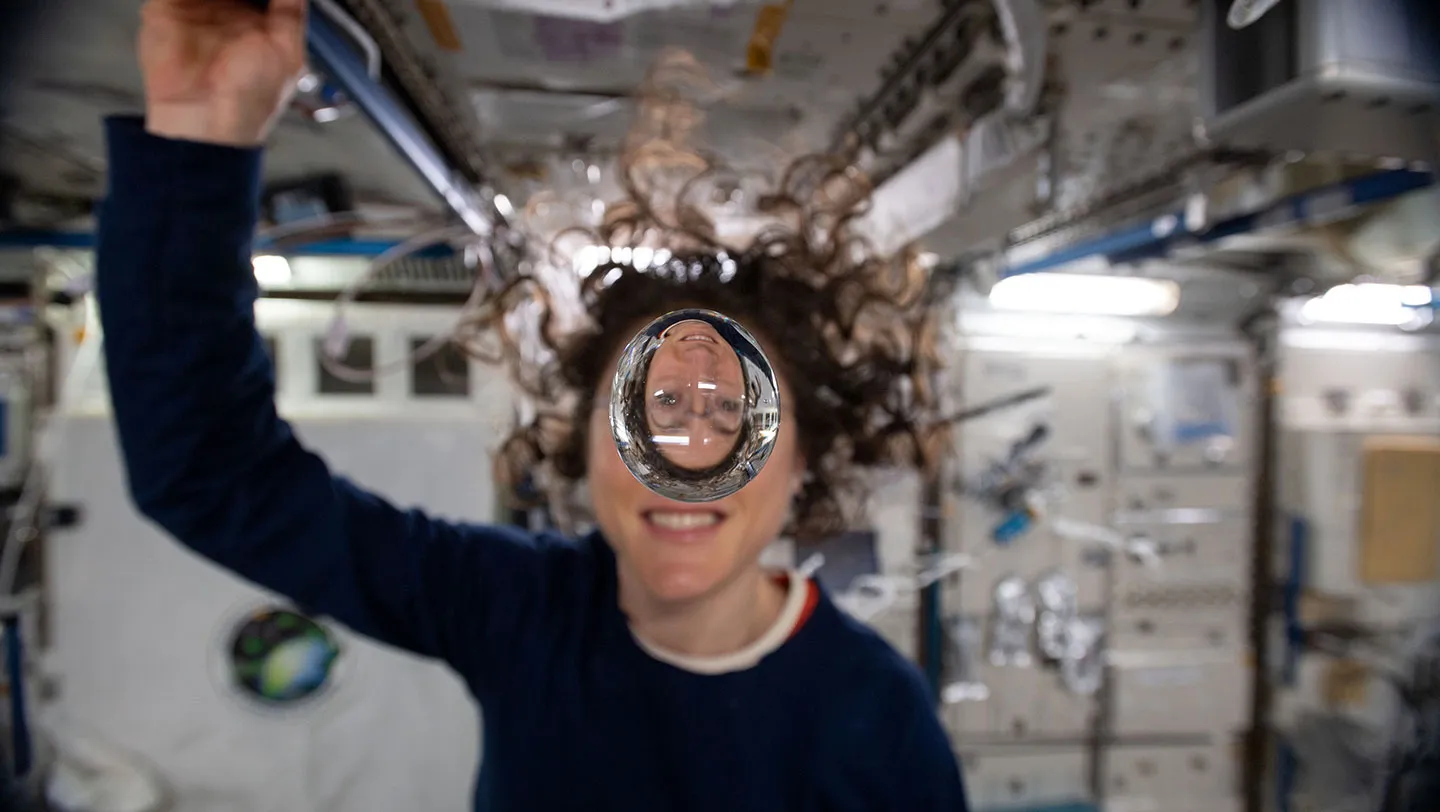
Most people think of space as quiet, slow, and almost effortless. Everything floats, movements look smooth, and astronauts seem to glide from one task to another. But living in zero gravity is not effortless at all. It turns even the smallest daily habits into something that requires planning, structure, and constant awareness. In fact, the absence of gravity does not simplify life. It forces you to organize it more carefully than ever.
On Earth, gravity does a lot of invisible work. It keeps your belongings where you put them. It helps you sit, stand, and sleep in predictable ways. It lets you set something down and trust it will stay there. Remove gravity, and suddenly nothing stays put. A pen can drift away. A food packet can spin across the room. A tool can disappear into a corner you did not even notice. That is why astronauts rely on systems that might seem excessive on Earth but are essential in orbit, including items like self adhesive velcro, which helps secure everyday objects to walls, panels, and workstations.
What becomes clear very quickly is that organization in space is not about neatness. It is about survival, efficiency, and sanity. Without strong systems, even basic routines can fall apart.
Everything needs a place that actually holds it
In a zero gravity environment, “putting something down” does not exist. Every object must be attached, contained, or tethered. Otherwise, it will float away the moment you let go. This changes how storage works at a fundamental level.
Astronauts use a combination of velcro strips, elastic bands, clips, and mesh pockets to secure items. Walls, ceilings, and floors are all usable surfaces, which means storage is not limited to horizontal areas. But that flexibility comes with a tradeoff. Every item must have a designated spot, and that spot must physically hold it in place.
This approach is described in detail by NASA’s overview of daily life aboard the station, where even simple tasks depend on secure storage and careful organization. The NASA guide to living in space highlights how astronauts rely on structured systems to keep tools, food, and personal items from drifting.
On Earth, clutter can spread slowly. In space, clutter can literally float into your workspace. That makes consistent organization less of a preference and more of a requirement.
Routines replace instinct
Without gravity, your body loses many of the physical cues it normally relies on. There is no natural sense of up or down. There is no automatic posture for resting. Even simple actions like drinking water or eating food behave differently. Because of this, routines become extremely important.
Astronauts follow structured schedules that guide when they sleep, eat, work, and exercise. These routines are not just about productivity. They help maintain physical health and mental clarity in an environment that constantly disrupts normal habits.
The European Space Agency explains how structured daily routines support life in orbit, including strict schedules for work, rest, and exercise to maintain health and performance. Their overview of daily life on the International Space Station shows how organization extends beyond objects to time itself.
In other words, when your environment stops giving you natural signals, you have to create your own.
Sleeping is an organizational challenge
Sleeping in space sounds relaxing until you realize there is no bed in the traditional sense. Without gravity, your body does not settle into a surface. Instead, astronauts sleep in small compartments using sleeping bags that are attached to the wall.
This setup prevents them from drifting while they rest. It also helps create a consistent sleeping position, which the body needs to maintain a sense of routine. Even then, sleep can feel unusual at first because there is no pressure on the body, no mattress, and no familiar orientation.
Organization plays a role here too. Each astronaut has a designated sleep station with personal items secured in place. This creates a small sense of privacy and stability in an otherwise shared environment.
It is a reminder that organization is not just about efficiency. It is also about comfort.
Eating requires planning and control
Food behaves differently in microgravity. Crumbs can float. Liquids form floating spheres. Packaging has to be designed to prevent spills and drifting particles. Because of this, meals are carefully prepared and managed.
Astronauts often use specially designed containers and utensils to keep food controlled. Items are attached to trays or surfaces so they do not float away mid meal. Even something as simple as opening a package requires attention.
This level of control might seem excessive, but it prevents contamination, protects equipment, and keeps the environment clean. It also reinforces how organization in space is about preventing problems before they start.
Exercise becomes part of the system
One of the biggest challenges in zero gravity is maintaining physical health. Without gravity, muscles and bones can weaken over time. To counter this, astronauts follow strict exercise routines using specialized equipment that simulates resistance.
These machines are secured to the station and designed to keep the astronaut anchored while they move. Again, organization is key. Equipment must be stable, accessible, and used consistently.
Exercise is not optional. It is built into the daily structure of life in space. Without it, the body would struggle to readjust when returning to Earth.
Small systems make a big difference
What stands out most about life in zero gravity is how much attention is given to small details. A strip of velcro, a labeled pouch, a secured tool, or a scheduled task can prevent larger problems later. These systems may seem minor, but together they create a stable environment in a place that is naturally unstable.
This perspective can actually change how we think about organization on Earth. While gravity solves many problems for us, we still deal with clutter, inefficiency, and lost items. The difference is that we can ignore these issues longer because the consequences are less immediate.
In space, there is no ignoring them. Everything demands a system.
Organization becomes a form of control
Living in zero gravity highlights something that is easy to overlook on Earth. Organization is not just about tidiness. It is about control over your environment.
When objects stay where they belong, when routines guide your day, and when systems support your actions, life feels more manageable. In space, that sense of control is essential. It allows astronauts to focus on their mission instead of constantly reacting to their surroundings.
That idea translates surprisingly well back to everyday life. While most of us are not dealing with floating tools or drifting food, we still benefit from spaces and routines that reduce friction.
In the end, organizing life in zero gravity is not about perfection. It is about creating stability in a place where stability does not exist naturally. And that might be the most practical lesson of all. When your environment does not support you, the systems you build become everything.