
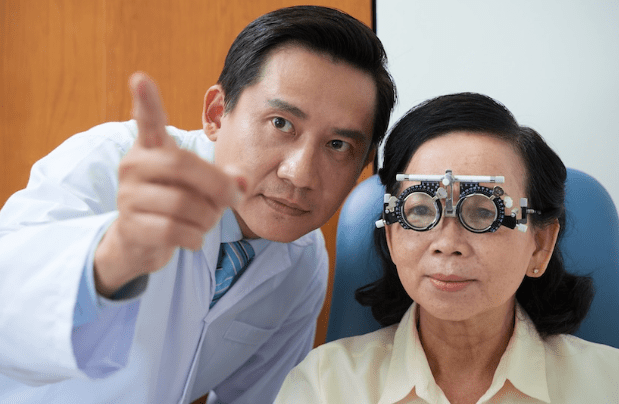
Good vision is essential for living a fulfilling life. When it comes to maintaining optimal eye health, consulting with a qualified ophthalmologist is crucial. An ophthalmologist is a medical professional specializing in the diagnosis, treatment, and prevention of eye diseases. If you’re in Kuala Lumpur and looking for expert eye care services, this guide will help you understand the role of ophthalmologists, what to expect from an eye exam, and how to choose the right specialist for your needs.
What is an Ophthalmologist?
An ophthalmologist is a medical doctor who specializes in eye and vision care. Unlike optometrists, who focus on vision tests and prescriptions for glasses or contact lenses, ophthalmologists are trained to perform eye surgeries, diagnose and treat complex eye diseases, and prescribe medications. They also provide care for chronic eye conditions such as glaucoma, cataracts, and retinal issues. Ophthalmologists are equipped with the knowledge and training to provide medical and surgical treatments, which makes them essential for managing serious eye conditions.
In Kuala Lumpur, ophthalmologists offer a broad range of services, from routine eye exams to the treatment of complex conditions that require surgery. The city is home to some of the most experienced eye specialists, equipped with advanced technologies to ensure the best possible care for patients.
When Should You See an Ophthalmologist?
There are several reasons to see an ophthalmologist. If you experience any of the following, it’s important to schedule an eye exam:
- Blurred or Double Vision: Persistent blurry or double vision can indicate an underlying issue that requires professional care.
- Eye Pain or Discomfort: Pain in your eyes or sensitivity to light can signal an infection or other conditions.
- Sudden Vision Loss: If you suddenly lose vision in one or both eyes, it’s crucial to seek immediate medical attention.
- Redness or Swelling: Severe redness, swelling, or irritation in the eyes may indicate an infection or inflammation that requires treatment.
- Chronic Dry Eyes: Dryness, burning, or itching sensations are common signs that may indicate dry eye syndrome or other eye conditions.
Additionally, routine eye exams are essential, especially for individuals over 40, people with chronic conditions like diabetes, or those with a family history of eye diseases. Early detection and treatment can prevent serious vision loss down the line.
Common Eye Conditions Treated by Ophthalmologists
Ophthalmologists in Kuala Lumpur are equipped to treat a wide variety of eye conditions. Some of the most common conditions include:
Cataracts
Cataracts are among the leading causes of blindness worldwide. It occurs when the eye’s natural lens becomes cloudy, leading to vision problems. Treatment typically involves surgery to remove the clouded lens and replace it with an artificial one.
Glaucoma
Glaucoma is a group of eye conditions that damage the optic nerve, often linked to increased intraocular pressure. Left untreated, glaucoma can lead to permanent vision loss. Early detection and treatment are crucial to managing this condition.
Myopia (Nearsightedness) and Hyperopia (Farsightedness)
Myopia (Nearsightedness) and Hyperopia (Farsightedness) are refractive errors that affect how light enters the eye. While these conditions are often corrected with glasses or contact lenses, more advanced treatments, such as laser eye surgery, are available for those who want to improve their vision permanently.
Dry Eye Syndrome
Dry Eye Syndrome occurs when the eyes do not produce enough tears or the tears evaporate too quickly. This can cause discomfort, irritation, and, if untreated, potential damage to the cornea.
Other conditions, such as macular degeneration, diabetic retinopathy, and retinal detachment, require specialized care. Ophthalmologists have the tools and knowledge to diagnose and manage these conditions, often employing advanced treatments such as laser therapy or vitrectomy surgery for retinal issues.
How to Choose the Right Ophthalmologist in Kuala Lumpur
Selecting the right ophthalmologist is essential for receiving high-quality eye care. Here are a few factors to consider when choosing an ophthalmologist:
- Specialization: Ensure that the ophthalmologist has experience treating the specific condition you’re dealing with. Many ophthalmologists specialize in areas such as glaucoma, retina, or cataract surgery, so it’s important to find one with expertise in your specific needs.
- Qualifications and Experience: Look for an ophthalmologist who is board-certified and has substantial experience in their field. This ensures they have the knowledge and training required to provide effective care.
- Technology and Facilities: Opt for a clinic that uses the latest diagnostic tools and treatment technologies. Modern equipment ensures accurate diagnoses and more effective treatment options.
- Patient Reviews: Checking reviews and testimonials can provide valuable insights into an ophthalmologist’s practice. While patient experiences may vary, feedback from others can give you a sense of the quality of care you can expect.
- Location and Accessibility: Consider the clinic’s location, office hours, and whether it is easily accessible from your home or office. You should also check whether the ophthalmologist accepts your insurance or offers affordable payment options.
What to Expect During an Eye Exam
During your visit, the ophthalmologist will perform a comprehensive eye exam. Here’s what you can expect:
- Visual Acuity Test: You will be asked to read letters from a chart at various distances to assess your vision clarity.
- Pupil Dilation: The ophthalmologist will put drops in your eyes to dilate the pupils, allowing them to examine the retina and optic nerve for any signs of disease.
- Tonometry: This test measures the pressure inside your eyes, which is essential for detecting glaucoma.
- Slit Lamp Exam: A slit lamp is used to examine the front part of your eye, including the cornea, iris, and lens, under high magnification.
- Retinal Exam: The doctor will examine the back of your eye (the retina) to check for any signs of disease or damage. This is particularly important for those with diabetes or high blood pressure.
These tests provide a comprehensive view of your eye health and allow the ophthalmologist to detect any issues early.
Common Ophthalmic Procedures
Ophthalmologists are skilled in performing a wide range of medical and surgical procedures to treat various eye conditions. Some common methods include:
- Cataract Surgery: A procedure to remove the cloudy lens and replace it with an artificial one to restore clear vision.
- Laser Eye Surgery: A treatment to correct refractive errors like myopia and hyperopia.
- Glaucoma Surgery: This involves procedures to lower intraocular pressure and prevent optic nerve damage.
- Retinal Surgery: Procedures such as laser therapy and vitrectomy are used to treat retinal diseases, including diabetic retinopathy and macular degeneration.
- Oculoplastic Surgery: This includes procedures around the eye, such as repairing droopy eyelids or performing tear duct surgery.
Conclusion: Prioritizing Your Eye Health
Your vision is invaluable, and seeking the right ophthalmologist is key to preserving it. Whether you’re dealing with refractive errors, age-related conditions, or more serious eye diseases, an experienced ophthalmologist in Kuala Lumpur can help. The city offers a wide range of eye specialists with access to the latest diagnostic tools and treatments.
Regular eye exams and early intervention are essential for maintaining healthy vision, particularly as you age or if you have underlying health conditions like diabetes. Don’t wait for symptoms to worsen; schedule a consultation with an ophthalmologist today.