
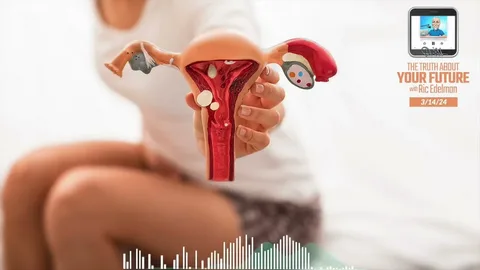
For decades, the pharmaceutical management of endometriosis has relied on a single, rigid strategy: turning down the body’s production of estrogen because endometriosis lesions’ tissue is similar to the lining of the uterus that grows outside the womb proliferate in response to hormonal cycles. Standard medical therapies focus on putting patients on continuous birth control or GnRH agonists and antagonists.
While these treatments can suppress lesion growth, they do not cure the disease, and they come with a high clinical cost. Inducing a state of chemical menopause or artificial hormone suppression frequently inflicts severe side effects, including bone density loss, intense hot flashes, mood disruptions, and metabolic shifts. Crucially, these therapies are completely incompatible with patients who are actively trying to conceive.
Fortunately, a massive shift is occurring in clinical research, a paradigm change closely followed by specialists at the best IVF centre. By moving away from general hormone suppression, scientists are targeting the specific cellular and molecular mechanisms that allow endometriosis to thrive. The future of care is rapidly pivoting toward non-hormonal therapeutic pipelines, specifically targeted anti-inflammatory and anti-fibrotic therapies that neutralize the disease without altering a patient’s endocrine landscape.
The Shift from Hormone Control to Inflammation Blockers
Endometriosis is fundamentally a chronic, systemic inflammatory condition. Within a modern multispecialty hospital, treating this disease requires collaboration across gynecology, pain management, and immunology departments, because the pain experienced by patients is not caused merely by bleeding lesions, but by a severe local inflammatory storm within the pelvic cavity. Macrophages and other immune cells flood the area, releasing a cocktail of pro-inflammatory signaling proteins called cytokines.
Rather than shutting down systemic estrogen, modern drug developers are designing molecules to intercept these exact inflammatory pathways. One of the most promising avenues involves JNK (c-Jun N-terminal kinase) inhibitors, such as the compound bentamapimod.
JNK is an intracellular signaling pathway that plays a major role in regulating cellular inflammation, tissue remodeling, and cell survival. Research shows that the JNK pathway is pathologically hyperactive within endometriosis tissue. By deploying targeted JNK inhibitors, clinicians can systematically downregulate the inflammatory cytokine storm in the pelvis. Early clinical trials demonstrate that this targeted inhibition can significantly reduce pelvic pain and shrink existing lesions without disrupting the normal menstrual cycle, preserving a patient’s natural ovulation and fertility window.
Another key non-hormonal target is MAPK (Mitogen-Activated Protein Kinase) inhibition. Like JNK, the MAPK pathway acts as an internal volume knob for cellular inflammation. Dampening this specific pathway stops endometriosis cells from sending signals that recruit new blood vessels (angiogenesis) effectively starving the lesions of fuel while keeping the body’s baseline hormones intact.
Dismantling the Adhesions: Anti-Fibrotic Therapies
While inflammation drives the daily, burning pain of endometriosis, fibrosis is responsible for the permanent, structural damage caused by the disease. As the body continuously tries to heal the microscopic injuries caused by bleeding lesions, it leaves behind dense, tough bands of internal scar tissue known as adhesions.
These adhesions act like an internal glue, anchoring pelvic organs to one another. They loop around ovaries, bind the bowel to the back of the uterus, and distort pelvic anatomy, causing deep, sharp structural pain and mechanical infertility. Traditionally, surgical excision was the only way to remove these scars, but the surgery itself often triggers new adhesion formation.
[Chronic Lesion Inflammation] ➔ Activates Myofibroblasts ➔ Generates Dense Pelvic Adhesions
⬇
[Organ Tethering & Pain]
⬇
[Targeted FAP Inhibitors]
⬇
(Halts & Reverses Fibrosis)
To break this cycle, researchers are developing targeted anti-fibrotic therapies designed to halt or reverse scar formation. The primary target in this arena is Fibroblast Activation Protein-alpha (FAP). FAP is an enzyme expressed heavily on the surface of specialized cells called myofibroblasts, which are the main factories producing collagen and scar tissue inside endometriosis lesions.
By developing small-molecule FAP inhibitors, scientists can selectively shut down these scar factories. Animal models and emerging pre-clinical trials indicate that anti-fibrotic therapies can prevent the stiffening of pelvic tissue, stop new adhesions from anchoring organs, and even soften existing fibrotic plaques. Because these therapies target cellular matrix remodeling rather than endocrine organs, they present zero threat to a patient’s egg quality or reproductive health.
A Comparison of Changing Paradigms
This transition from systemic suppression to localized, precision non-hormonal intervention marks the dawn of a highly personalized era in gynecology:
| Treatment Strategy | Biological Mechanism | Impact on Fertility | Primary Side Effects |
| Traditional Hormonal Suppression (e.g., GnRH modulators, Progestins) | Shuts down ovarian function; creates a low-estrogen environment. | Incompatible: Suppresses ovulation; cannot be used when trying to conceive. | Hot flashes, bone density loss, mood changes, sleep disturbances. |
| Targeted Anti-Inflammatory Pipeline (e.g., JNK & MAPK Inhibitors) | Blocks specific pelvic cytokine cascades and cellular stress signals. | Compatible: Preserves normal menstrual cycles and ovulation. | Generally mild; avoids systemic menopausal symptoms. |
| Emerging Anti-Fibrotic Pipeline (e.g., FAP Inhibitors) | Halts myofibroblast activity to prevent and reverse internal adhesions. | Compatible: Protects anatomical structure to optimize natural conception. | Under investigation; targeted to localized scar tissue. |
Empowering Patients with New Options
The ultimate goal of moving beyond hormone suppression is to hand control back to the patient. For too long, individuals with endometriosis have been forced to make an impossible choice: suffer through chronic, debilitating pelvic pain, or accept the systemic disruptions and reproductive pause required by conventional hormone blockers.
By separating pain management from ovulation suppression, the developing pipeline of anti-inflammatory and anti-fibrotic therapeutics offers an entirely new horizon. These precise, molecular tools treat endometriosis for what it truly is a complex, systemic inflammatory and structural condition, ensuring that the next generation of patients can achieve profound pain relief without sacrificing their vitality, their overall wellness, or their dreams of building a family.