

A motorcycle accident attorney Roanoke VA riders turn to after a serious crash is navigating a claims environment that differs from standard car accident cases in ways that matter enormously to the outcome. Motorcyclists face a specific set of legal and practical challenges that stem from the physics of motorcycle crashes, the severity of injuries they typically produce, the bias that affects how juries and insurance adjusters perceive motorcycle riders, and Virginia’s specific legal rules around contributory negligence that make how fault is assessed particularly consequential for motorcyclists. Understanding those differences before a claim is in motion is what allows injured riders to make informed decisions rather than reactive ones.
Why Motorcycle Claims Are Legally Different
The most fundamental difference between a motorcycle accident claim and a standard car accident claim isn’t the severity of the injuries — though that difference is real and significant — it’s how fault gets evaluated and what happens when any percentage of fault attaches to the motorcyclist. Virginia is one of a small number of states that still uses pure contributory negligence rather than comparative fault, which means that if an injured party is found to be even one percent at fault for the accident, they recover nothing.
For motorcyclists this rule is particularly consequential because insurance adjusters and defense attorneys in motorcycle cases frequently argue that rider behavior contributed to the accident — excessive speed, lane position, failure to be seen — in ways that they might not argue in a car-versus-car case. A motorcycle accident attorney Roanoke VA who understands both Virginia’s contributory negligence rule and the specific factual arguments that get made against motorcyclists is positioned to protect against those arguments from the beginning of the claim rather than responding to them after they’ve gained traction.
The Severity Gap Between Motorcycle and Car Accidents
The physics of motorcycle accidents produce injury patterns that differ significantly from car accidents because motorcyclists lack the structural protection that a vehicle body provides. Road rash, fractures, traumatic brain injuries, spinal cord injuries, and internal injuries are all more common in motorcycle crashes than in car crashes of comparable speed because the rider’s body absorbs impact directly rather than through a vehicle structure designed to manage crash energy.
The severity of those injuries has direct implications for how damages are calculated in a motorcycle accident claim. Future medical expenses, lost earning capacity, permanent disability, and long-term pain and suffering all need to be comprehensively documented and accurately projected for claims where the injuries will affect the rider’s life for years or decades rather than resolving fully within months. A personal injury attorney with experience in catastrophic injury cases builds those damages presentations correctly rather than undervaluing what a seriously injured rider’s claim is actually worth.
Bias Against Motorcyclists and How It Affects Claims
Motorcycle riders face a pervasive cultural bias in personal injury claims — an assumption, often unstated, that motorcyclists take risks that make their accidents at least partly their own fault regardless of what the specific facts show. That bias appears in how insurance adjusters evaluate claims, in how defense attorneys frame their arguments, and in how juries perceive motorcyclist plaintiffs if a case goes to trial.
An experienced motorcycle accident attorney Roanoke VA anticipates and counters that bias proactively — through careful evidence development that establishes the rider’s responsible behavior before and during the accident, through expert witnesses who address motorcycle dynamics and visibility factors that non-riders misunderstand, and through a damages presentation that humanizes the injured rider rather than allowing the defense to reduce them to a stereotype. Managing how the client is perceived is a genuine litigation skill in motorcycle cases in a way that doesn’t apply equally to all personal injury contexts.
Helmet Use and Virginia Law
Virginia’s helmet law requires motorcycle riders to wear helmets, and compliance or non-compliance with that requirement is a factual issue in any Virginia motorcycle accident claim. In cases where a rider was not wearing a helmet, the defense will argue that head injuries resulted from that choice rather than from the accident itself — which in Virginia’s contributory negligence framework can potentially eliminate recovery entirely if the argument gains traction.
A motorcycle accident attorney experienced in Virginia cases knows how to address the helmet issue in cases where it arises — through medical expert testimony that establishes the actual relationship between helmet use and the specific injuries sustained, and through legal argument about what Virginia law actually permits in terms of using helmet non-compliance against a rider’s recovery.
Insurance Issues Specific to Motorcycle Claims
Motorcycle insurance dynamics differ from car insurance in ways that affect how claims proceed. Minimum coverage requirements for motorcycles differ from those for passenger vehicles, and uninsured and underinsured motorist coverage — which is particularly important for motorcycle riders given the severity of injuries they tend to sustain — is handled differently across policies. Understanding the full insurance picture, including all potentially applicable coverage from every source, is part of the initial case evaluation that a motorcycle accident attorney Roanoke VA conducts rather than something discovered later in the process.
For riders with serious injuries whose own medical expenses and lost wages quickly exceed the at-fault driver’s coverage limits, identifying every available coverage source — the at-fault driver’s liability policy, the rider’s own UM/UIM coverage, any applicable umbrella policies — is what makes the difference between a recovery that addresses the actual harm and one that falls far short of it.
What to Do Immediately After a Motorcycle Accident
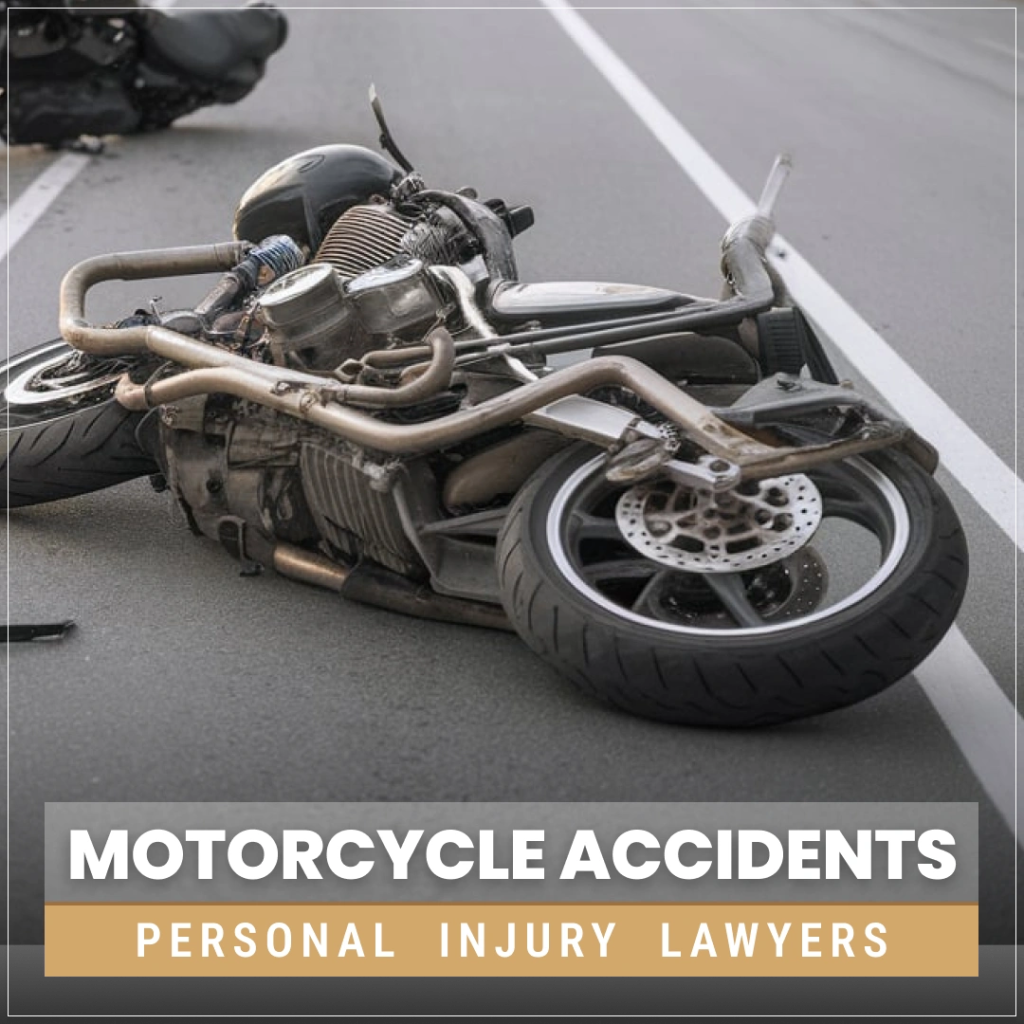
The steps a rider takes immediately after a motorcycle accident significantly affect what the eventual claim looks like. Calling 911 and ensuring a police report is filed, seeking medical attention immediately even when injuries seem manageable, photographing the scene and the vehicles involved before anything moves, and getting contact information from witnesses all contribute to the evidentiary foundation the claim will rest on.
Equally important is what not to do — specifically, not providing recorded statements to insurance adjusters before speaking with a motorcycle accident attorney Roanoke VA. Insurance adjusters are trained to gather information in ways that can limit the eventual claim, and statements made without legal guidance in the immediate aftermath of an accident often create problems that are difficult to correct later in the process.
