
Organizational disruption builds slowly and then hits fast. Many organizations struggle because they react too late. They rely on systems that worked in the past but fail under new pressure.
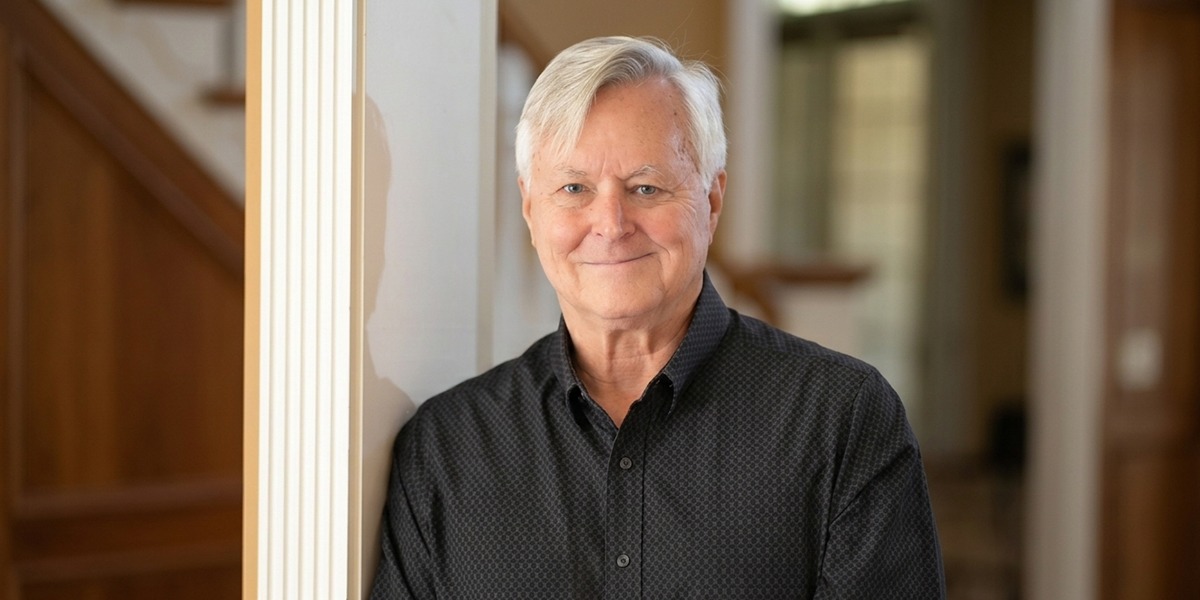
David Bishop, who has decades of executive experience and leadership consulting, focuses on this: organizations must prepare before change arrives. They must build cultures that can think, adapt, and respond in real time. He has seen organizations struggle not because of a hollow strategy, but because their people can’t think and align in real time.
Through The David Bishop Group, he guides leaders who want to operate effectively, even in uncertain times. According to him, leadership development doesn’t fail due to a lack of insight; it fails because it doesn’t change behavior under pressure. Through neuroscience and real-world leadership, he focuses on changing how people think and act inside organizations.
The Shift in Leadership and the Growing Problem
The workplace has changed. Traditional leadership models no longer hold. The idea of a top-down leader making all decisions is fading. Teams today are more connected, more vocal, and more dynamic.
Leaders today operate in a volatile, uncertain, complex, and ambiguous (VUCA) environment. Change is constant, and clarity is often limited. However, the challenge is not the presence of VUCA itself. The deeper issue is that most organizations are not built to function effectively within it.
Furthermore, many organizations still rely on outdated leadership development. These programs often inspire, but they fail to deliver measurable, sustainable results. Leaders attend sessions, feel motivated, and then return to old habits.
A study by Bain & Company found that companies with strong leadership and engaged teams achieve significantly higher revenue margins.
At the same time, many organizations struggle to develop leaders at all levels. This leads to weak alignment, low engagement, and slow responses to change.
Organizations are not failing because of a lack of effort. They are failing because their leadership systems are not designed for adaptability, alignment, or sustained behavioral change.
How David Bishop Builds Cultures That Anticipate Disruption
David Bishop does not focus on quick fixes. He focuses on big behavioral change by building around how people think, decide, and align under pressure, which determines how an organization responds to disruption.
His method starts with how people think. Using neuroscience-based tools, he helps leaders understand their own thinking patterns. Then he expands that understanding across teams. This self-awareness is part of a cohesive system designed to improve decision-making and how quickly teams can align when conditions shift.
The central mechanism of this system is the concept of a “team brain.” It connects individual thinking styles into a shared system for decision-making and action. When teams understand how each member processes information, they communicate better. More importantly, they align faster under pressure and reduce friction during critical moments.
Under the system, the role of the founder or executive shifts from an operator to a strategic leader, a shift many of them struggle with. They stay involved in daily tasks and lose sight of long-term direction. David guides them to step back and lead with intention. This shift allows leaders to focus on patterns, risks, and signals of disruption before they escalate. This is why leadership and manager development remains the number one HR priority worldwide, according to Gartner.
Self-awareness, strengthened communication, and team alignment can only occur when the team experiences psychological safety. Because when they feel safe speaking up and challenging ideas, they spot risks earlier and adapt faster.
This creates cultures that do not succumb to disruption. Teams think ahead and act with clarity and shared purpose.
Services That Drive Organizational Change
David Bishop offers a focused set of services that create measurable shifts in decision speed, team alignment, and leadership clarity. His work is according to each organization’s system and culture, but the foundational areas remain consistent.
Important Services
- One-on-One Leadership Consulting: He works closely with executives over several months to shift behavior, not just mindset. Leaders reduce time spent on low-value tasks, delegate more effectively, and make clearer strategic decisions.
- Team Effectiveness Consulting: Using tools like the NBI (Neethling Brain Instrument), he helps teams understand how they think. This reduces miscommunication, shortens meeting times, and improves how quickly teams reach decisions.
- Future-Focused Leadership Workshops: These sessions prepare teams for modern challenges. They focus on adaptability, communication, and strategic thinking. Teams leave with clearer decision frameworks and defined roles during periods of change.
- Assessment-Driven Development: David uses tools such as The Predictive Index, Burke Learning Agility Inventory, and 360-degree feedback. These tools reveal blind spots and guide improvement. Leaders gain specific feedback on decision patterns, communication gaps, and areas slowing team performance.
These services are specifically designed to create change that is measurable and sustainable. Without measurable shifts in behavior, decision-making speed, and alignment, leadership development efforts tend to stall.
Conclusion
Disruption is not going to halt. It will only become more frequent and more complex. Organizations that wait to react will continue to fall behind those that are built to operate within uncertainty from the start. David Bishop’s work, therefore, focuses on building organizations that can think, decide, and align in real time, even under pressure. His focus on neuroscience, behavior, and team alignment ensures that teams do not pause or stall when conditions shift, but continue to operate with clarity and direction.
His work results in powerful changes across organizations, including leaders thinking more clearly, teams working more effectively, and organizations operating successfully under pressure. Companies that want to stay relevant and create a system of growth must build this capability into how their teams operate every day.