

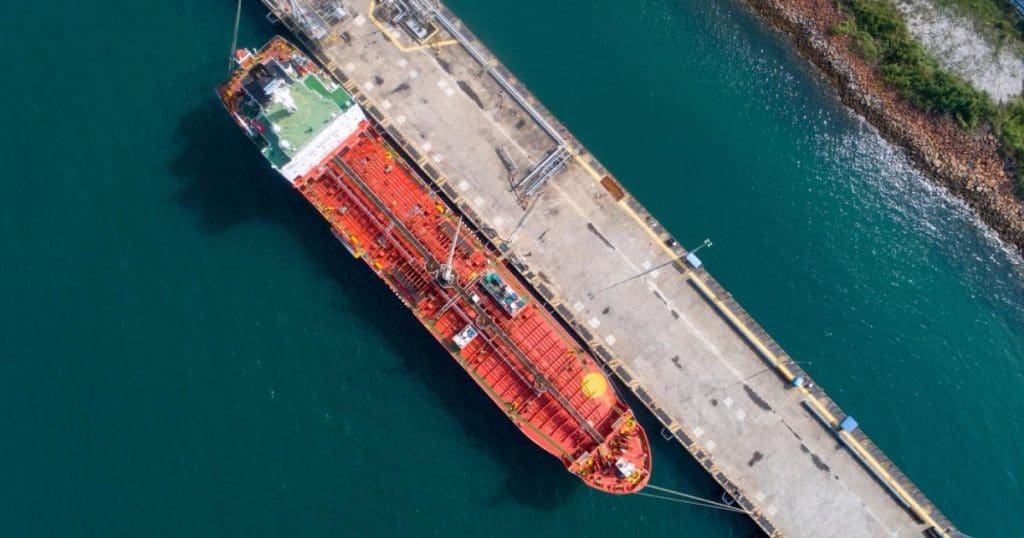
When goods move across borders, they pass through ships, trucks, warehouses and ports before reaching their destination. At each stage, the cargo faces risks such as rough weather, mishandling or theft. Even one unforeseen event can cause heavy financial damage. This is where marine insurance plays an essential role. It offers financial coverage against loss or damage to goods in transit and helps businesses stay secure even when unexpected events occur.
Understanding marine risk insurance
Marine insurance helps protect goods and cargo while they are being transported, whether within the country or across borders. It covers the shipment right from the moment it leaves the seller’s location until it safely reaches the buyer, according to the terms agreed upon in the sale.
Simply put, it ensures that cargo owners are not left to bear the cost if their shipment is lost or damaged during transit. This is particularly important for businesses that depend on regular shipments or deal with high-value goods.
What marine insurance covers
A standard marine insurance policy usually covers loss or damage caused by:
- Accidents such as collision, sinking, capsizing or derailment
- Fire, explosion or natural calamities like storms and floods
- Theft, pilferage or non-delivery of goods
- Damage during loading, unloading or storage while in transit
- General average contributions, where losses are shared if part of the cargo is sacrificed to save the vessel
However, there are certain exclusions as well. Losses caused by delay, normal wear and tear, poor packaging or intentional misconduct are not covered. Always check the policy wording carefully to understand the scope of coverage.
Factors that affect marine insurance premiums
The cost of marine insurance is dependent on many factors. Understanding these factors helps cargo owners choose the right level of protection without paying for unnecessary cover. They include:
- Nature and value of goods: Fragile or high-value goods attract higher premiums.
- Mode of transport: Air, sea or road routes carry different levels of risk.
- Route and destination: Areas prone to piracy or extreme weather may have higher premiums.
- Type of coverage: Comprehensive ‘All Risk’ cover costs more than limited named-peril coverage.
- Claims history: Regular claims or poor cargo handling practices can impact premium rates.
Why marine insurance matters for cargo owners
When goods are shipped, responsibility often shifts multiple times between the seller, carrier and buyer. This can make it difficult to determine who is liable if an accident occurs. Without proper coverage, cargo owners may have to bear the full cost of loss or damage.
Marine insurance protects businesses from such financial risks. It provides compensation for losses, ensures trade operations continue smoothly and gives cargo owners confidence when dealing with clients and suppliers across different regions.
What cargo owners should check before buying a policy
A little attention to policy details can make claim settlement faster and smoother. You need to check the following:
- Scope of coverage: Confirm that the policy covers all stages of transit. This includes loading, unloading and storage.
- Exclusions: Review the exclusions carefully so you know what your policy doesn’t cover and can avoid surprises later.
- Valuation: Make sure that the sum insured reflects the full value of goods, including freight and handling charges.
- Documentation: Keep documents like shipping invoices, bills of lading, packing lists and claim forms handy. You will need them if you ever file a claim.
- Claim process: Understand how to report a loss and the time limits for notification.
Common misconceptions about marine insurance
Some of the most common misconceptions about marine insurance are:
- It is only for large exporters: Even small and medium businesses benefit from covering their shipments.
- It applies only to sea transport: Marine insurance also covers goods transported by air, road and rail.
- It is limited to long-term contracts: Policies like single transit insurance provide one-time coverage for individual shipments.
Conclusion
Choosing the right marine insurance is more than just ticking a box; it’s about protecting your business and ensuring continuity in global trade. Understanding your policy, whether it’s an open policy for frequent shipments or a single transit cover, helps you manage risks effectively and avoid unexpected financial losses.
By being proactive, maintaining proper documentation and knowing your coverage inside out, you can safeguard your cargo, build trust with clients and suppliers and operate with confidence in a complex shipping environment.
