
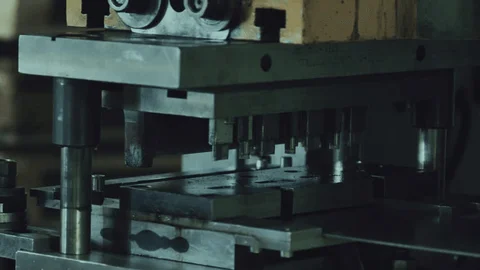
A Power Press is a vital machine in metal forming and manufacturing operations, capable of performing tasks such as punching, stamping, and bending metal with precision. Given its crucial role, ensuring that the machine operates efficiently over the long term is essential. Proper maintenance not only extends the lifespan of the equipment but also improves productivity, reduces downtime, and ensures safety in the workplace. This article provides comprehensive maintenance tips to help operators and maintenance personnel keep their power press in optimal condition.
Regular Inspection and Monitoring
Routine inspection is the cornerstone of power press maintenance. Daily or weekly checks can identify minor issues before they develop into major problems. Operators should visually inspect critical components such as the ram, die, clutch, and flywheel for signs of wear, cracks, or misalignment. Any unusual noise, vibration, or overheating should be investigated immediately.
Lubrication is a key aspect of these inspections. Regularly applying the correct type and amount of lubricant to moving parts prevents friction-related wear and tear. Components such as bearings, slides, and gears are particularly sensitive to inadequate lubrication. Following the manufacturer’s lubrication schedule ensures that all moving parts operate smoothly, reducing the risk of premature failure.
Accessing detailed specifications and maintenance guides from reputable sources, such as Power Press, can help operators understand the correct inspection routines and recommended maintenance procedures for different press models. These resources provide essential information about oil grades, lubrication points, and recommended inspection intervals, making preventive maintenance more effective.
Proper Cleaning and Environmental Care
The environment in which a power press operates significantly affects its lifespan. Accumulation of dust, metal shavings, and other debris can impair machine performance. Cleaning the press regularly removes contaminants that may cause abrasion, corrosion, or clogging of critical components. Using a soft brush or air blower to remove debris around the die area, guides, and hydraulic components helps maintain smooth operation.
Temperature and humidity also impact the longevity of a power press. Excessive moisture can lead to rust and corrosion on exposed metal surfaces, while extreme temperatures may affect the viscosity of lubricants and the performance of hydraulic systems. Ensuring that the machine is installed in a controlled environment, with proper ventilation and protection from moisture, contributes to its long-term reliability.
Timely Replacement of Worn Parts
Even with diligent maintenance, some parts of a power press are subject to natural wear over time. Components such as clutch plates, bearings, springs, and dies must be replaced according to the manufacturer’s recommendations. Operating the press with worn or damaged parts can compromise precision, reduce efficiency, and increase the risk of accidents.
Keeping an inventory of essential spare parts allows maintenance teams to address wear issues promptly, minimizing downtime. It is also crucial to use genuine replacement parts to maintain the integrity of the machine. Substituting with low-quality or incompatible components may save costs in the short term but can lead to severe damage or operational hazards in the long run.
Hydraulic and Electrical System Maintenance
For hydraulic power presses, maintaining the hydraulic system is essential. Regularly check hydraulic fluid levels and quality, and replace fluids at recommended intervals. Contaminated or degraded hydraulic oil can cause erratic operation, overheating, and damage to seals and cylinders. Similarly, inspecting hoses, valves, and pumps for leaks or wear ensures that the system functions reliably.
Electrical systems also require attention. Inspect wiring, switches, and connections for signs of wear, corrosion, or damage. Malfunctioning electrical components can disrupt machine performance and pose safety risks. Ensuring proper grounding and following lockout/tagout procedures during maintenance work prevents electrical accidents.
Proper Operation and Training
Maintenance is not only about fixing and replacing parts; proper operation plays a significant role in prolonging a power press’s life. Overloading the press, using incorrect dies, or running the machine at excessive speeds can accelerate wear and cause damage. Operators should be trained to follow manufacturer guidelines strictly, including load capacities, speed settings, and correct material handling procedures.
Routine training ensures that operators understand the importance of preventive maintenance and the impact of improper operation. A well-trained team is more likely to notice early signs of wear, perform minor adjustments, and report issues promptly, reducing the likelihood of costly repairs.
Scheduled Professional Servicing
While daily and weekly maintenance keeps a power press operational, scheduled professional servicing is essential for long-term reliability. Certified technicians can perform in-depth inspections, calibrations, and component replacements that may be beyond the capabilities of in-house staff. Professional servicing also provides an opportunity to upgrade safety features, install new control systems, or retrofit older machines to enhance performance and compliance with industry standards.
Conclusion
Maintaining a power press is a multifaceted process that includes regular inspections, cleaning, lubrication, timely replacement of worn parts, and proper operation. By adhering to these practices, manufacturers can extend the lifespan of their equipment, reduce downtime, enhance productivity, and ensure workplace safety. Environmental care, hydraulic and electrical system maintenance, and professional servicing further contribute to a reliable and efficient press operation.
Proactive maintenance not only protects the investment in a power press but also supports consistent product quality and operational efficiency. Incorporating these maintenance tips into routine practices allows operators and maintenance teams to keep the machine in peak condition for years, ensuring both safety and profitability in metal forming operations.