

The demand for lymphatic wound certification in the USA is soaring because more patients need specialized care for healing the complex, swelling-related wounds. Fuelling the demand is a chronic shortage of trained experts to treat the condition.
Like older adults elsewhere, elders in the USA too face chronic health issues and need skilled care personnel with lymphatic wound management training. The specialized training and the resulting care by CLTs help patients save money from long hospital stays.
Lymphedema is considered incurable, and the condition emanates from the body’s incapacity to drain, causing fluid buildup and swelling. The accumulated fluid makes it very hard for skin wounds to heal.
Career upgrade opportunity
Most healthcare workers, including physical therapists (PTs), occupational therapists (OTs), and resident nurses (RNs), seek admission to lymphatic wound management training courses to achieve specialization in the high-demand areas for career mobility and higher perks.
Many top institutes are offering lymphatic wound certification to fill the supply gap and advance candidates’ careers into highly paid specialists.
Unlike traditional medical and nursing schools, where lymphatic health gets only nominal attention and healthcare workers feel relatively unequipped to handle complex wounds, specialized training with lymphatic wound certification is a great career multiplier.
Specialized training by top Institutes
The certified programs teach specialized methods like Complete Decongestive Therapy (CDT), covering massage and bandaging techniques that normal wound care does not cover.
The career prospects of lymphatic wound management training are lucrative. The certified specialists, after the qualifying examination and certification, can start working in hospitals, private clinics, and home health care settings too.
Among the top institutes, the American Academy of Lymphatic and Wound Management (AALWM) is ahead as a sought-after lymphatic wound certification provider with its blend of online learning and flexible onsite physical training.
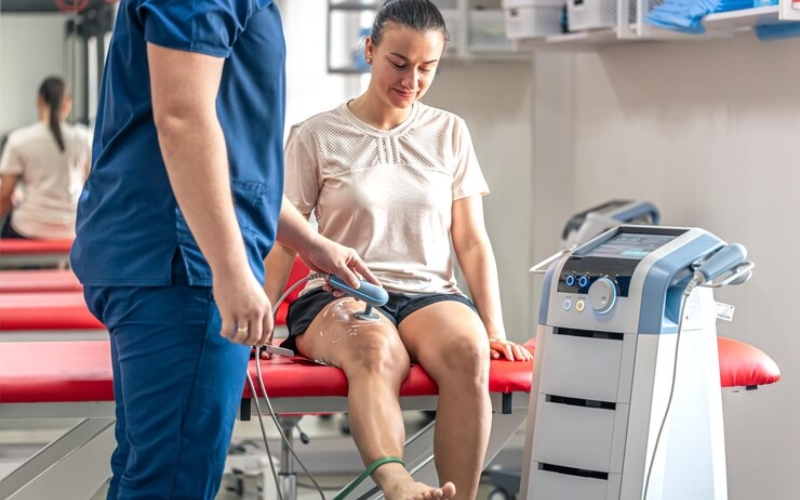
The candidates can choose between a standard 127-hour path or an extended 135-hour path of training. In the 135-hour program an optional 9th day of in-person training is a key highlight.
The 45 hours of home study can be completed with 20 online modules at one’s own pace before attending the intense training at clinical labs.
The lymphatic wound management training program meets the 90-hour hands-on requirement to appear for the Lymphology Association of North America (LANA) national examination as a lucrative validation test.
Comprehensive program
The training modules of lymphatic wound management training are explicitly dedicated to navigating the unique challenges of lymphatic therapy, with the hybrid course helping optimum use of time without wasting it on travel.
The AALWM programs will not focus solely on bandages and massages, as the lymphatic wound management training also incorporates nutritional strategies and teaches therapists how diet can manage fluid retention and chronic swelling. This provides CLTs more control over the lymphedema care processes.