
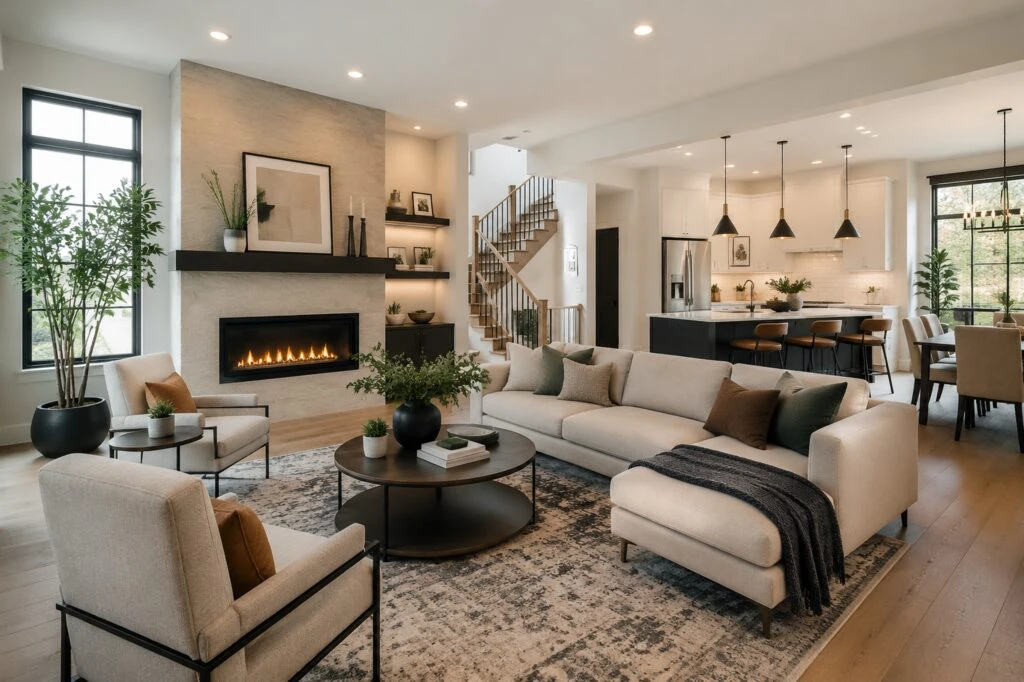
Landscape remodeling is one of the most effective ways to enhance the beauty, functionality, and value of a property. Whether it’s a residential backyard, a commercial outdoor area, or a public garden, a well-planned landscape transformation can completely change how a space looks and feels. From improving curb appeal to creating usable outdoor living areas, landscape remodeling combines design, engineering, and nature into a single cohesive vision.
In today’s world, outdoor spaces are no longer just decorative. They are extensions of indoor living environments. Homeowners want gardens where they can relax, entertain guests, cook outdoors, or simply enjoy nature. This growing demand has made landscape remodeling a major part of modern home improvement and real estate value enhancement.
What Is Landscape Remodeling?
Landscape remodeling refers to the process of redesigning and upgrading an existing outdoor space. Unlike basic gardening or maintenance, remodeling involves structural and aesthetic changes. This can include reshaping terrain, installing new features, replacing old plants, building patios, adding lighting, or redesigning irrigation systems.
The goal is not only to improve appearance but also to make the space more practical, sustainable, and enjoyable.
A typical landscape remodeling project may involve:
- Redesigning garden layouts
- Installing new plants, trees, and shrubs
- Building patios, decks, or outdoor kitchens
- Adding pathways and walkways
- Installing lighting systems
- Improving drainage and irrigation
- Creating water features like fountains or ponds
Why Landscape Remodeling Matters
Landscape remodeling is more than just a cosmetic upgrade. It provides several long-term benefits that make it a valuable investment.
1. Increases Property Value
A professionally designed landscape can significantly increase property value. Real estate studies consistently show that homes with attractive outdoor spaces sell faster and at higher prices. First impressions matter, and the exterior of a home is the first thing potential buyers see.
2. Enhances Outdoor Living Experience
Modern homeowners treat their outdoor spaces as additional living rooms. With proper remodeling, a backyard can become a space for barbecues, family gatherings, or peaceful relaxation. Features like seating areas, fire pits, and shaded gardens improve usability.
3. Improves Functionality
Sometimes outdoor spaces are poorly designed or underutilized. Landscape remodeling helps reorganize the layout to make it more functional. For example, uneven ground can be leveled, unused corners can be transformed into seating areas, and walkways can be redesigned for better movement.
4. Environmental Benefits
A well-planned landscape can improve drainage, reduce soil erosion, and support biodiversity. Planting trees and shrubs also helps reduce heat and improve air quality. Sustainable landscaping techniques can even reduce water consumption.
5. Lowers Maintenance Costs
Modern landscaping often includes efficient irrigation systems, low-maintenance plants, and durable materials. This reduces long-term maintenance efforts and costs.
Key Elements of Landscape Remodeling
A successful landscape remodeling project includes several essential components.
Hardscaping
Hardscaping refers to all non-living elements in a landscape design. This includes:
- Stone pathways
- Patios and decks
- Retaining walls
- Driveways
- Outdoor kitchens
Hardscaping provides structure and functionality to outdoor spaces.
Softscaping
Softscaping involves all living elements such as:
- Grass and lawns
- Trees
- Flowers
- Shrubs
- Ground cover plants
Softscaping adds color, texture, and natural beauty to the landscape.
Lighting
Outdoor lighting plays a crucial role in both safety and aesthetics. Proper lighting highlights architectural features, improves visibility at night, and creates ambiance.
Irrigation Systems
Efficient irrigation ensures that plants receive the right amount of water. Modern systems often include automated timers and smart controls that optimize water usage.
Water Features
Fountains, ponds, and waterfalls add a sense of tranquility and luxury to outdoor spaces. They also enhance the overall visual appeal of the landscape.
Steps in a Landscape Remodeling Project
A well-executed remodeling project follows a structured process.
Step 1: Planning and Design
The first step involves analyzing the current landscape and identifying goals. Designers consider factors such as space, climate, soil type, and user preferences. A detailed plan or blueprint is created during this stage.
Step 2: Site Preparation
Before construction begins, the site is cleared and prepared. This may include removing old plants, leveling the ground, or fixing drainage issues.
Step 3: Structural Work
Hardscaping elements such as patios, walls, and pathways are built first. This forms the foundation of the design.
Step 4: Installation of Softscaping
Once the structure is complete, plants, trees, and grass are added according to the design plan.
Step 5: Irrigation and Lighting Setup
Watering systems and lighting fixtures are installed to support plant health and enhance nighttime aesthetics.
Step 6: Final Touches
The final stage includes adding decorative elements such as garden furniture, mulch, stones, and finishing details.
Popular Landscape Remodeling Trends
Landscape design continues to evolve with new trends focused on sustainability and lifestyle.
Outdoor Living Rooms
Many homeowners now design outdoor spaces that function like indoor rooms, complete with sofas, TVs, and fireplaces.
Sustainable Landscaping
Eco-friendly designs use native plants, drip irrigation, and recycled materials to reduce environmental impact.
Minimalist Designs
Clean, simple layouts with fewer plants and more open space are becoming increasingly popular.
Smart Irrigation Systems
Technology-driven irrigation systems adjust watering schedules based on weather conditions.
Multi-Level Gardens
Terraced gardens and multi-level layouts create depth and visual interest, especially on sloped properties.
Common Mistakes to Avoid
While landscape remodeling can be highly rewarding, certain mistakes can reduce its effectiveness.
- Ignoring proper planning
- Choosing the wrong plants for climate
- Overcrowding the space
- Poor drainage design
- Neglecting maintenance requirements
Avoiding these mistakes ensures a long-lasting and visually appealing result.
How Much Does Landscape Remodeling Cost?
The cost of landscape remodeling varies widely depending on project size, materials, and complexity. Small projects may involve simple planting and lawn upgrades, while larger projects can include full outdoor renovations with hardscaping and lighting.
Factors affecting cost include:
- Size of the area
- Type of materials used
- Labor costs
- Design complexity
- Water and lighting systems
A well-planned budget helps prevent unexpected expenses during the project.
Conclusion
Landscape remodeling is a powerful way to transform outdoor spaces into beautiful, functional, and valuable extensions of a property. Whether the goal is to increase home value, improve lifestyle, or create a relaxing environment, a well-designed landscape can make a significant difference.
By combining hardscaping, softscaping, lighting, and smart planning, homeowners can achieve stunning outdoor results that last for years. With modern trends focusing on sustainability and smart technology, landscape remodeling is becoming more innovative and accessible than ever before.
Investing in your outdoor space is not just about aesthetics—it is about creating a better way of living.
For more details, visit us here: Everguardroofingcalifornia.com
