

Smart drivers understand that driving safely requires more than knowing the road rules—it also requires a clear and focused mind. We know that getting behind the wheel while sleep-deprived, under the influence of alcohol or drugs, or distracted by devices significantly increases the risk of an accident.
But there’s another factor that often flies under the radar: our emotions.
Whether it’s the frustration of running late, lingering stress from work, or anger after a motorist cuts you off, our emotional state can influence how we think, react, and make decisions on the road. Unlike physical impairment, emotional impairment isn’t always obvious but it can be just as dangerous. You can be fully awake, sober, and tech-free and still commit traffic violations cause you let your emotions rule over you.
Alarming Trends and Studies on Emotional Driving

More than just a bad habit, emotional driving is a recognised road safety issue.
According to the World Health Organization (WHO), human factors, including a driver’s behaviour, judgement, and emotional state, contribute to around 90% of road traffic crashes worldwide. While emotions may seem less dangerous than alcohol or fatigue, research shows they can impair concentration, cloud judgement, and encourage risky decisions behind the wheel.
Australian research paints a similar picture. A study by the Monash University Accident Research Centre (MUARC) surveyed 2,916 drivers across Australia and found that aggressive driving behaviours are more common than many people realise.
Some of the key findings include:
- 70% admitted using their horn to express anger.
- 60% said they had shown annoyance towards another driver.
- 18% admitted chasing another driver while angry.
- 36% of drivers aged 22 to 39 reported engaging in extreme aggressive driving behaviours.
- Drivers who displayed aggressive behaviours had significantly higher odds of being involved in a crash than those who remained calm.

The trend isn’t limited to Australia. According to the AAA Foundation for Traffic Safety, nearly 80% of drivers admitted experiencing or expressing significant anger, aggression, or road rage while driving within the previous year.
The study also found that:
- 51% admitted tailgating another vehicle.
- 47% yelled at another driver.
- 45% used their horn out of anger.
- 35% made rude or angry gestures.
- Around 8 million drivers reported extreme road rage behaviours, such as deliberately ramming another vehicle or getting out of their car to confront another driver.
The message from these studies is clear: emotions don’t stay in our heads—they influence how we drive. Stress, frustration, and anger can quickly turn into aggressive driving behaviours that put everyone on the road at greater risk.
Additionally, it can hurt your reputation and finances too. In these situations, driving offence lawyers often see firsthand how a moment of anger or frustration can lead to lasting legal consequences.
Check in With Yourself: Warning Signs to Watch Out For
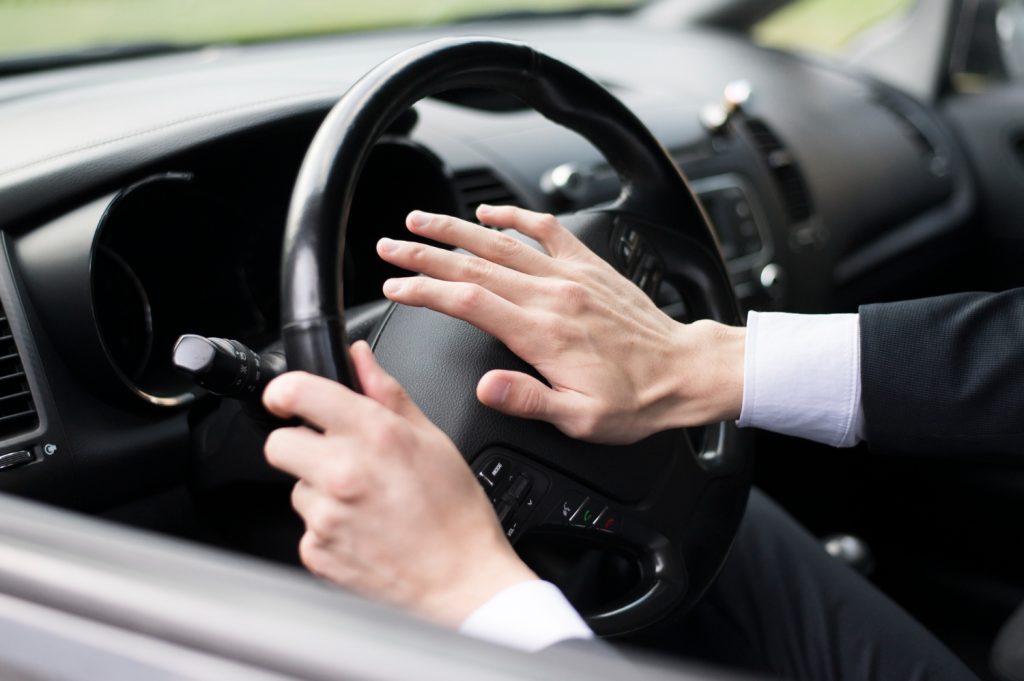
Emotional driving isn’t always obvious. Sometimes, the warning signs are subtle. Recognising when emotions are taking over is the first step towards making safer decisions behind the wheel.
Before starting your car, ask yourself these questions.
1. How am I reacting to other drivers?
Has a simple mistake from another driver made you unusually angry? Are you tempted to tailgate, lean on the horn, yell, or speed up to “teach someone a lesson”?
If your reactions seem stronger than the situation calls for, your emotions may already be influencing your driving. Everyone makes mistakes on the road, and responding with anger rarely improves the situation. More often, it increases the risk for everyone involved.
2. How is my driving affecting others?
Emotional drivers often focus on what everyone else is doing wrong. Instead, consider whether your own behaviour is making the roads less safe.
Ask yourself:
- Am I following too closely?
- Have I changed lanes abruptly?
- Are other drivers braking suddenly because of me?
- Am I driving more aggressively than usual?
3. Where is my mind?
Your hands may be on the steering wheel, but where is your attention?
Are you replaying an argument? Thinking about work? Worrying about bad news? Planning your next difficult conversation?
When your thoughts are elsewhere, it’s easier to miss changing traffic conditions, overlook hazards, or react too slowly to unexpected events. If you can’t remember the last few kilometres you’ve driven, it’s a sign your mind wasn’t fully on the road.
Practical Ways to Keep Your Emotions in Check

You can’t avoid every stressful or emotional situation, but you can take steps to stop those feelings from affecting your driving.
Plan ahead
Preparation can help reduce stress before you even get behind the wheel. Check your route for traffic, roadworks, or busy intersections, and allow extra travel time for unexpected delays. Giving yourself a buffer means you’re less likely to feel rushed or tempted to take unnecessary risks.
Check in with yourself
Are you feeling angry, stressed, upset, or overly excited? Before you drive, take a moment to check in with yourself. Take a few deep breaths and remind yourself that your priority is to arrive safely. Eat something if you have to. If you don’t feel calm or in control, wait a few minutes before setting off.
Master Patience
If you’re running late, accept that you won’t make up the time by speeding, tailgating, or taking risks. Delays are frustrating, but reacting impatiently only makes the journey less safe. Every drive is an opportunity to practise patience and respond calmly when things don’t go as planned.
Practice Self-Control
You can’t control other drivers, but you can control your response. Decide before your journey that you won’t let another driver’s behaviour influence your own. If someone acts aggressively, don’t engage. If you’ve made a mistake, a simple apologetic wave can help defuse the situation.
Pull Over Safely
If your emotions become overwhelming, find a safe place to stop. Take a few deep breaths and give yourself time to reset before continuing your journey. Waiting until you feel calm and focused is always safer than driving while emotionally distracted.
Driving with a Calm Mind
We often check our fuel, tyres, mirrors, and seatbelt before setting off, but it’s just as important to check in with ourselves. Stress, anger, frustration, and anxiety can all influence the way we drive, even if we don’t realise it at the time.
Recognising the warning signs of emotional driving and taking simple steps to manage your emotions can help you make better decisions, reduce your risk of an accident, and create a safer experience for everyone on the road.
Author Bio: Carmina Natividad is a daytime writer for Catron Simmons Lawyers, a trusted Adelaide-based law firm offering expert legal services in family law, wills and estates, property settlements, and support from skilled criminal lawyers in Australia. She enjoys writing helpful and easy-to-digest content about legal topics, offering practical tips and insights to make navigating life’s tricky situations a little less stressful.