
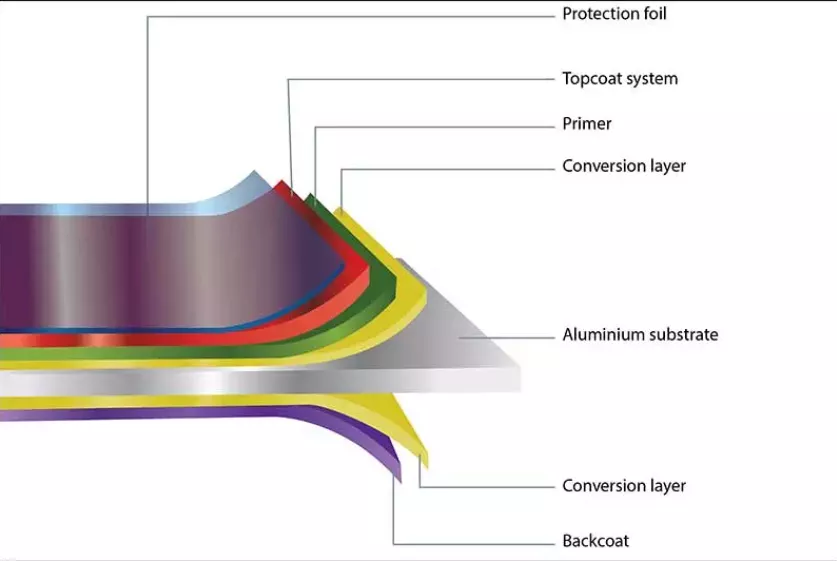
The aluminum industry relies heavily on advanced coating technologies to improve the appearance, durability, and performance of metal products. Coil coating has become a preferred manufacturing method because it delivers consistent finishes while supporting high-speed production. Industries such as construction, transportation, packaging, and appliances all benefit from coated aluminum materials designed for long-term use.
A modern aluminum coil coating line operates through a carefully controlled sequence of production stages. Each step plays a critical role in ensuring the aluminum surface receives proper treatment, uniform coating application, and reliable curing. Understanding these stages helps manufacturers maintain product quality and production efficiency.
Coil Loading and Uncoiling
The production process begins with loading raw aluminum coils onto the line. Large coils are placed onto an uncoiler, which gradually feeds the aluminum strip into the system at a controlled speed.
Maintaining proper tension during uncoiling is important because uneven feeding can create wrinkles or surface defects. Modern systems use automated tension controls to ensure smooth movement throughout the process.
At this stage, operators also inspect the coil for visible damage or contamination before coating begins.
Surface Cleaning and Degreasing
Before any coating is applied, the aluminum surface must be thoroughly cleaned. During storage and transportation, coils may collect oils, dust, grease, or other contaminants that interfere with coating adhesion.
Cleaning systems typically use:
- Chemical cleaning agents
- Water rinsing systems
- Mechanical brushing equipment
- Drying units
This stage prepares the aluminum for later treatments by creating a clean and uniform surface.
Chemical Pretreatment
Pretreatment is one of the most important stages in the coil coating process. It improves corrosion resistance and enhances the bond between the aluminum and the coating material.
During this step, the aluminum strip passes through a chemical treatment section where conversion coatings are applied. These treatments form a protective layer that increases coating adhesion and helps prevent corrosion over time.
Proper pretreatment contributes to:
- Longer coating lifespan
- Better resistance to moisture
- Reduced risk of peeling
- Improved overall durability
Without effective pretreatment, even high-quality paint systems may fail prematurely.
Primer Coating Application
Once the aluminum surface is prepared, the primer layer is applied. The primer acts as a foundation that improves adhesion between the metal and the final topcoat.
Roll coating technology is commonly used because it ensures even coverage across the entire strip. Precision rollers transfer the coating material smoothly while controlling film thickness.
The primer layer also adds extra protection against corrosion and environmental exposure.
Curing the Primer Layer
After primer application, the coated strip enters a curing oven. Heat is used to dry and harden the coating, allowing it to bond securely to the aluminum surface.
Temperature and curing time must be carefully controlled during this stage. Insufficient curing can weaken adhesion, while excessive heat may damage the coating.
Modern production lines use automated temperature monitoring systems to maintain consistent curing conditions.
Topcoat Application
The topcoat is responsible for the aluminum’s final appearance and additional protective properties. Manufacturers can apply different types of coatings depending on product requirements.
Common topcoat options include:
- Polyester coatings
- PVDF coatings
- Polyurethane finishes
- Matte and gloss finishes
Topcoats provide resistance against UV rays, scratches, chemicals, and weather exposure. They also allow manufacturers to produce aluminum products in a wide range of colors and textures.
Final Curing Process
After the topcoat is applied, the aluminum strip passes through another curing oven. This stage ensures the coating reaches its full hardness, durability, and chemical resistance.
Accurate curing is essential for maintaining:
- Color consistency
- Surface smoothness
- Mechanical strength
- Long-term coating stability
Advanced coil coating lines use energy-efficient ovens designed to optimize curing performance while reducing energy consumption.
Cooling and Quality Inspection
Once curing is complete, the coated aluminum moves through cooling sections before inspection begins. Cooling stabilizes the coating and prepares the material for rewinding.
Quality control teams examine the coated surface for defects such as:
- Uneven coating thickness
- Scratches or dents
- Color variation
- Surface contamination
- Adhesion problems
Many modern facilities also use automated inspection systems equipped with sensors and cameras for real-time monitoring.
Recoiling and Packaging
After inspection, the finished aluminum strip is rewound into coils for storage or transportation. Proper recoiling helps protect the coated surface from damage during handling.
Manufacturers often apply protective films or packaging materials to preserve the product’s finish during shipping.
At this stage, the coated aluminum is ready for downstream fabrication processes such as stamping, bending, cutting, or panel manufacturing.
Importance of Process Control
Every stage in an aluminum coil coating line must work together precisely to achieve consistent product quality. Even minor variations in cleaning, coating thickness, or curing temperature can affect final performance.
Automated control systems help manufacturers monitor:
- Line speed
- Oven temperatures
- Coating viscosity
- Surface tension
- Coating thickness
This level of control improves efficiency while reducing waste and production errors.
Conclusion
The aluminum coil coating process involves multiple carefully coordinated stages, each contributing to the quality and durability of the finished product. From surface cleaning and pretreatment to coating application and curing, every step is designed to improve performance and ensure long-lasting protection.
As industries continue demanding stronger, more attractive, and corrosion-resistant materials, advanced coil coating lines remain essential for producing high-quality aluminum products efficiently and consistently.