
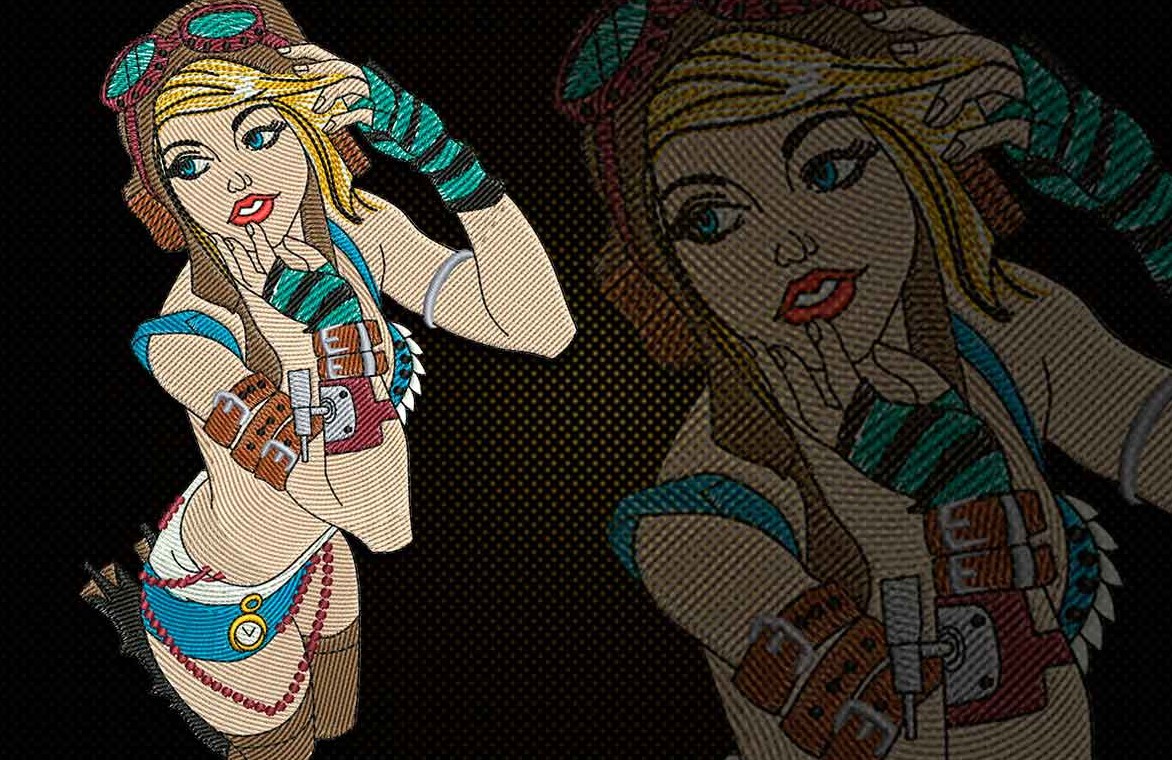
Walk into any clothing store today, and you will see embroidery everywhere. From high-end fashion houses to streetwear startups, stitched designs add texture, value, and personality to fabric. But behind every perfect thread pattern lies a hidden process that most people never think about. That process is embroidery digitizing.
How Technology Reshapes Traditional Digitizing
For decades, embroidery digitizing remained a slow, manual craft. Skilled operators sat at specialized workstations, plotting each stitch point by point. A single complex logo could take half a day to convert into machine code. Today, that world is changing fast. Modern software uses advanced algorithms to trace vector artwork and suggest stitch types automatically. What used to require hours now takes minutes. But speed alone does not tell the whole story.
The real shift comes from integration. Digitizing software now talks directly to design tools like Adobe Illustrator and CorelDRAW. Designers can prepare files with embedded stitch information without leaving their creative environment. This seamless workflow reduces errors and speeds up sampling. Brands receive physical embroidered samples in days, not weeks. That agility changes how companies plan product launches and seasonal collections.
AI and Machine Learning in Stitch Generation
Artificial intelligence has entered the embroidery space, and it is making waves. Modern digitizing platforms analyze thousands of successful stitch files to learn what works. When you upload a new logo, the AI recognizes common shapes, letterforms, and fill patterns. It automatically applies appropriate underlay, pull compensation, and stitch angles. For simple designs like text or basic geometric shapes, AI often produces files that run perfectly on the first try.
But AI still has limits. It struggles with abstract art, irregular curves, and designs that require artistic interpretation. A machine cannot feel fabric drape or anticipate how thread tension changes on different materials. That is where hybrid workflows emerge. AI handles the heavy lifting of basic digitizing, while human experts refine the tricky sections. Expect this partnership to grow stronger in the coming years. Smart digitizers will learn to train AI tools rather than fear them.
Sustainable Practices Through Smarter Digitizing
Sustainability dominates conversations in the modern textile industry, and embroidery digitizing plays a surprising role. Poorly digitized designs waste thread, break needles, and ruin fabric. Each failed test sew generates physical waste that ends up in landfills. High-quality digitizing eliminates most of these failures. A clean, efficient stitch file runs correctly the first time, saving materials and energy.
Digitizing also reduces sample waste. Virtual testing software now simulates how a design will stitch on different fabrics before you thread a single needle. You can see puckering, thread breaks, and color mismatches on screen. Adjust the digitizing parameters, run another simulation, and finalize the file without touching a physical garment. This virtual sampling cuts sample production by up to seventy percent, which means less fabric, less thread, and less stabilizer heading to the trash.
Future digitizing software will include carbon calculators. You will see exactly how much material and energy your design consumes. Brands that prioritize eco-friendly production will demand these metrics from their digitizing partners. The most successful services will market themselves as green digitizers, not just fast or cheap ones.
The Rise of On-Demand and Customization
Mass production still dominates the textile industry, but on-demand manufacturing grows every year. Customers want unique, personalized products delivered quickly. Embroidery digitizing enables this shift. When someone orders a single custom hoodie with their name or a unique logo, that design needs digitizing. Doing this manually for each order would bankrupt any business. Automated digitizing bridges the gap.
Future systems will accept customer uploads, digitize them instantly, and send the file directly to a robotic embroidery cell. The entire process, from order to stitched product, will take under an hour. Early versions of these systems already exist in experimental factories. Within five years, expect to see them in mainstream fulfillment centers. This technology democratizes embroidery. Small creators and individual customers will access production quality that once required bulk orders.
Bridging the Gap Between Digital Art and Physical Textiles
One of the oldest frustrations in embroidery remains the disconnect between screen and fabric. What looks beautiful on a monitor often stitches out as a mess. The future solves this through advanced visualization. New digitizing software renders photorealistic stitch previews that account for thread texture, fabric grain, and lighting conditions. You can rotate the virtual patch, zoom into individual stitches, and even simulate wear and washing.
Augmented reality takes this further. Imagine holding your phone over a blank garment. The AR app overlays your digitized embroidery design onto the fabric in real time. You move the phone to see how the design looks from different angles. And change thread colors with a slider. You test different placements without sewing a single stitch. This technology exists in early forms today, and it will become standard within three to five years.
Challenges That Still Need Human Expertise
For all the technological advances, some aspects of embroidery digitizing resist automation. Complex designs with overlapping elements, three-dimensional textures, or tiny lettering still require human judgment. A skilled digitizer knows when to break a shape into multiple stitch regions. They understand how to sequence colors to minimize thread trims and jump stitches. They see potential issues that an AI overlooks, like a sharp angle that will cause thread buildup or a gap that will stretch open on fleece.
The most successful future workflows will not replace humans. They will empower them. Digitizers will supervise AI outputs, catching errors and making artistic refinements. They will handle rush orders and unusual fabrics that fall outside the AI’s training data. The demand for expert digitizers will remain strong, but their tools will become more powerful. Expect fewer digitizers producing more work of higher quality.
What Role Will Human Digitizers Play in 2030
By 2030, the embroidery digitizing profession will look different. Entry-level digitizing jobs, like converting simple text or basic logos, will disappear. Automated systems will handle those tasks instantly and cheaply. Human digitizers will focus on high-complexity work, artistic reproduction, and quality assurance. They will also become educators, teaching AI systems to handle new design styles and fabric types.
Forward-thinking services like Needle Digitizing already prepare for this future. They invest in training programs that teach digitizers to work alongside automation rather than compete against it. Also they build libraries of successful stitch files that help AI learn faster. They understand that the future belongs to those who blend human creativity with machine efficiency. If you run an embroidery business today, choose a digitizing partner that thinks long-term.
Conclusion
The future of embroidery digitizing in the modern textile industry looks bright, automated, and surprisingly human. AI and machine learning will handle routine conversions, cutting turnaround times from days to minutes. Virtual sampling and AR previews will eliminate most physical waste, making embroidery more sustainable than ever. On-demand customization will bring stitched designs to products that never carried them before. But through all this change, human expertise remains essential for complex, artistic, and high-stakes projects. The best results will come from collaboration, not replacement. So whether you design patches for a clothing line or produce branded uniforms for a growing business, pay attention to digitizing technology. It is evolving faster than ever, and those who adapt will lead the market in 2030 and beyond.
