

HRT and TRT are used interchangeably for men. They are related, but different. HRT is a more comprehensive treatment and can treat multiple hormone deficiencies, whereas TRT treats low testosterone specifically. It’s important because treatment depends on symptoms, laboratory results, age, health history and treatment goals.
Both of these must be medically assessed and constantly monitored. Men may find it easier to discuss their health choices with a licensed provider and make informed decisions about their health if they know the difference between HRT and TRT.
What is HRT for Men?
Hormone replacement therapy or HRT for Men is care that looks at more than one hormone. A doctor may measure levels of testosterone, thyroid signals, adrenal signals, and others. The goal is balance, not just bigger numbers on a lab sheet.
A man could feel down because a single hormone decreased, or multiple hormones decreased simultaneously. It can also be altered by medicine, weight, stress and sleep.
Symptoms and blood tests in the U.S. are the beginning of good care. Then the treatment is based on the same gap that was identified.
Common Symptoms That May Lead to HRT (in Men)
Male hormone issues can show up in quiet ways. A man may not feel sick, just flat, slow, or unlike himself. Also, these signs can come from other health problems, so testing matters.
- Low energy which fails to improve with rest.
- Despite improved eating, increased abdominal fat.
- Trouble sleeping, sweating while sleeping or waking up wired.
- Brain fog, low mood or sudden short temper.
- Loss of libido, decreased libido or diminished spark in the day.
What is TRT for Men?
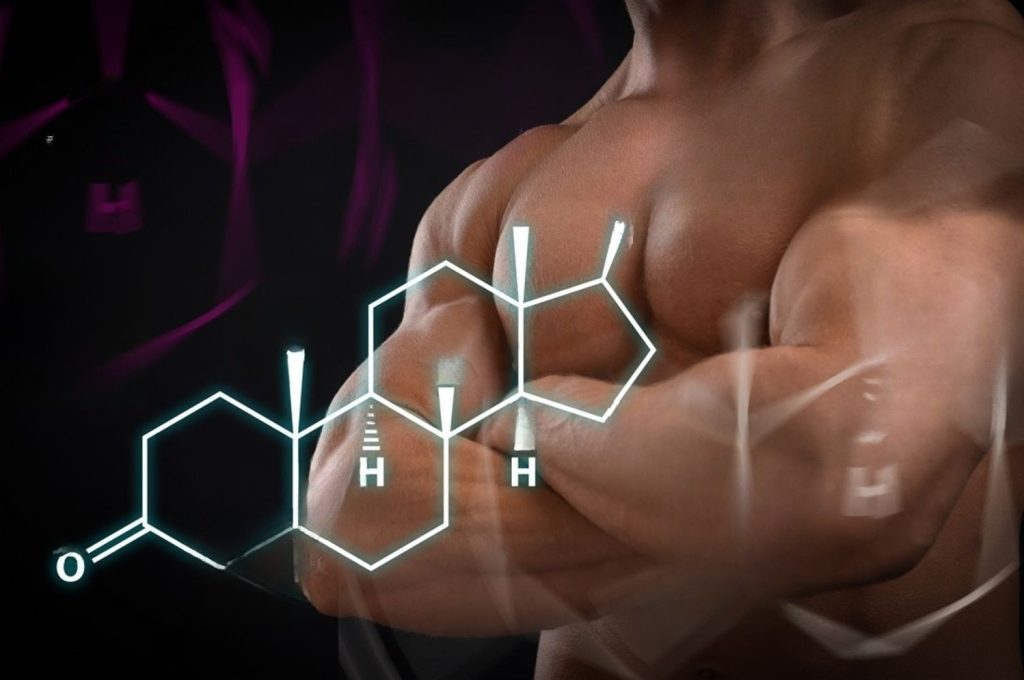
Testosterone replacement therapy or TRT is a focused care for low testosterone. It does not try to tune every hormone in the body. TRT gives testosterone when a man has low levels and matching symptoms. Doctors often confirm this with morning blood tests, since levels change daily.
TRT may help with sex drive, mood, energy, and muscle loss. Still, it is not meant for every tired man over thirty. In the U.S., it is usually tied to clear low testosterone, not just aging.
Some men also need checks for blood count, prostate health, sleep apnea, and blood pressure. Monitoring also matters here.
Common Symptoms That May Lead to TRT (in Men)
Low testosterone can feel like a slow dimmer switch. Many men blame work, age, or stress for months. However, steady symptoms deserve a real look.
- Low libido or fewer sexual thoughts than usual.
- Difficulty obtaining and/or maintaining a firm erection.
- Persistent fatigue from good sleep.
- Muscle loss, extra fat, or less vigorous exercises.
- Low mood, decreased concentration, or decreased motivation in the workplace.
Key Differences between HRT and TRT for Men
HRT is the broad hormone plan, while TRT is testosterone-only care.
Scope
The biggest difference is reach. HRT looks at the whole hormone picture in a man’s body. It may include testosterone, but it does not stop there. A doctor may also look at thyroid function, stress hormones, sleep quality, weight changes, and medication use.
This wider view can be useful when symptoms feel mixed. For example, a man may feel tired and cold, but testosterone may not be the main issue.
On the other hand, TRT has a narrow job. It treats low testosterone when the signs and lab results line up. This tight focus can be helpful because the plan is clear. It can also be limiting if another hormone is the real troublemaker.
Hormones Included
HRT may involve different hormones, based on what testing shows. In men, this could include testosterone care, thyroid support, or other hormone treatment. It depends on the diagnosis, not the wish list.
It means replacing what the body lacks, not adding extra for a boost. TRT is simpler to define. It includes testosterone, plain and direct. The form may change, but the hormone target stays the same. Low testosterone is common in searches, ads, and locker-room talk.
Primarily Used for
HRT for men is mainly used when a broader imbalance is suspected. A man could have multiple clues, such as lack of sleep, weight gain, poor appetite and/or low energy. The doctor searches for the cause, and then selects the appropriate treatment.
In some cases, this involves lifestyle modifications before any hormones are administered. In some cases it involves the management of an undiagnosed condition like a thyroid disorder, sleep apnea or another condition.
TRT is used mainly with men who have lower than normal levels of the male hormone, testosterone and associated symptoms.
It can be taken as a supplement if libido decreases, muscle is lost and energy is low. However, TRT should not be treated like a youth shot. It is medical care. It needs follow-up, dose checks, and honest symptom tracking.
Forms or Delivery Type
HRT and TRT can come in several forms, but the plan differs. A man may use creams, gels, patches, shots, or pellets, depending on the hormone. Some treatments are daily, while others are weekly, monthly, or placed under the skin.
The right fit depends on cost, comfort, lab response, and side effects. TRT also comes as gels, patches, injections, pellets, and sometimes other approved forms. Gels are easy, but skin transfer can be a concern.
Shots can be steady for some men, but peaks can still occur. Patches may irritate skin. Pellets last longer, yet need a small office procedure. So, the best form is the one that works safely for that man.
One more thing matters in real life. A busy dad may prefer a weekly shot. A man with kids at home may avoid gel, because skin touch can spread it. A traveler may like fewer office visits. Small details like these shape the plan more than ads do.
Conclusion
You now know HRT is broad, while TRT targets testosterone alone. This small difference can shape your care, tests, and results. In the U.S., smart hormone care starts with symptoms and labs.
Talk with a trusted doctor before choosing any treatment path. Take your time, ask plain questions, and track each change closely. A careful plan beats a fast guess every single time.