
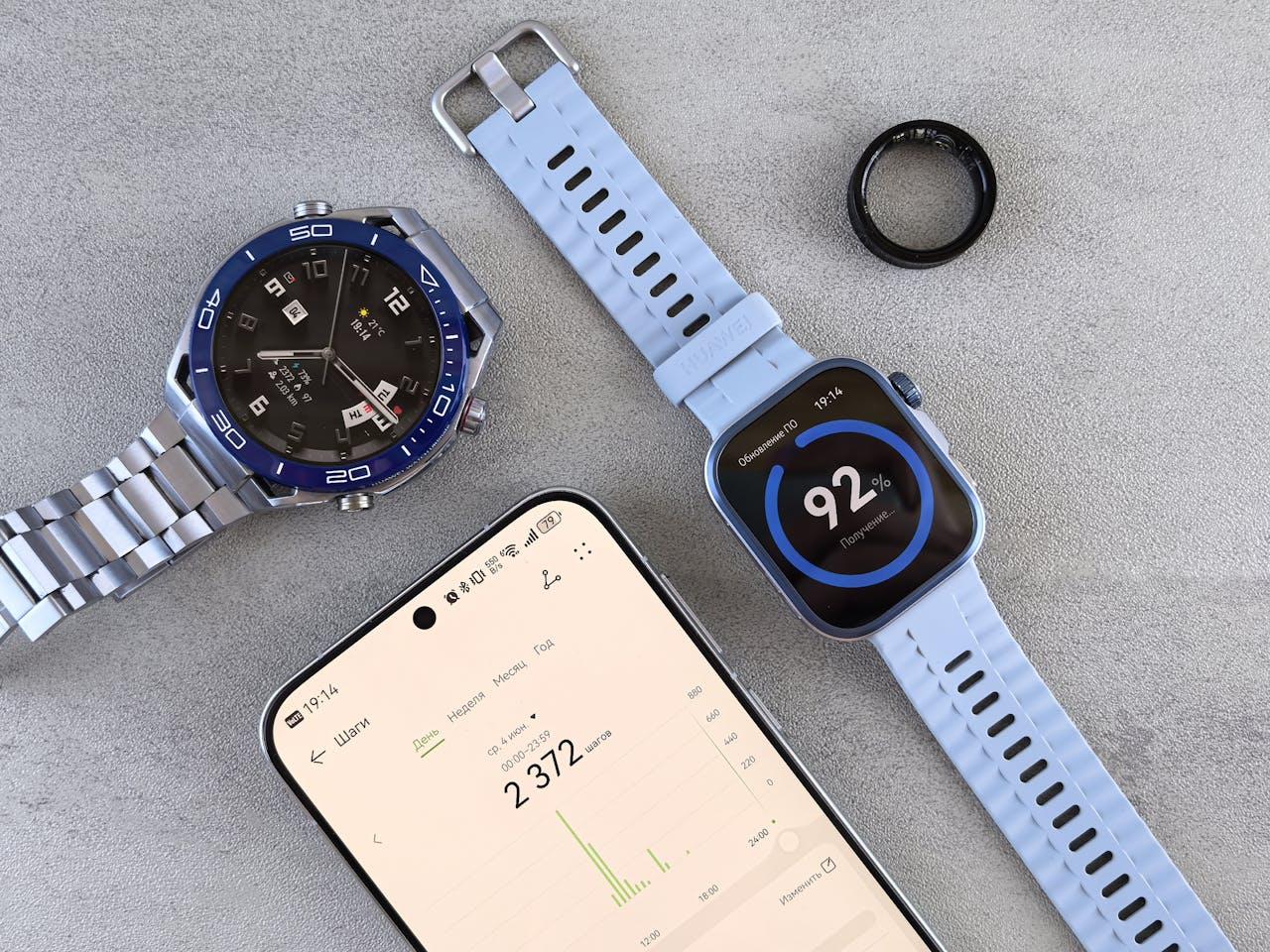
Technology has evolved far past simple step counters. Today, wristbands and smartwatches act as personal wellness companions. For older adults who cherish living on their own terms, these small devices offer immense peace of mind.
Getting older brings physical changes, but giving up freedom does not have to be the answer. Wearable devices step in to bridge the gap between independence and safety.
Fall Detection Watches
Accidents happen when we least expect them, especially slips or trips at home. Modern smartwatches come equipped with advanced sensors that recognize sudden drops or impacts. If a fall occurs, the watch automatically dials emergency services and alerts designated family members.
You do not even need to have a smartphone nearby for this feature to work perfectly. For older adults exploring assisted living in Southern Maryland, these watches provide an extra layer of reassurance. Knowing help is just an automatic signal away allows seniors to move confidently through their daily routines.
Feeling secure at home encourages more physical activity and a brighter mood. Residents at Discovery Commons often find that wearing a simple alert device empowers them to enjoy their favorite hobbies without fear. It is like having a silent guardian watching over your every step.
Medication Reminders Vibrating on Wrists
Remembering to take various pills at specific times gets confusing for anyone. Instead of relying on sticky notes or alarms across the room, wearable tech offers a much gentler solution. A soft vibration on the wrist grabs your attention instantly.
You can program these alerts to match exact prescription schedules. The physical tap is hard to ignore and ensures you take the right dose exactly when required. Building this simple habit removes the stress of wondering if you took your morning pill.
Heart Rate Alerts
Our bodies often send subtle warning signs before a medical event becomes serious. Trackers continuously monitor pulse and rhythm throughout the day and night. If the device detects an unusually high or irregular heartbeat, it immediately sends a notification.
Family members or caregivers receive these updates instantly. Catching these fluctuations early means getting medical attention before physical symptoms even show up.
GPS Trackers
Forgetfulness can sometimes lead to wandering or getting lost during a routine afternoon walk. Wearable GPS bands pinpoint the exact location of the wearer at all times. Loved ones can open an app on their own devices and see exactly where their family member is resting or walking.
Some systems even allow you to set safe zones, triggering an alert if the wearer steps outside a familiar neighborhood.
Sleep Monitors
A good night of rest is vital for overall wellness, yet sleep patterns change as we grow older. Wristbands measure how much time is spent in deep or light sleep cycles. They also track oxygen levels and breathing consistency.
Waking up to a clear report on your resting hours helps identify hidden issues like sleep apnea. Sharing this data with a physician leads to better solutions for feeling energized every morning.
Conclusion
Staying independent is a goal worth pursuing at any age. Embracing these modern tools lets you maintain control over your daily life while keeping a safety net firmly in place. Look into which devices fit your lifestyle best and take the first step toward a more secure routine.