

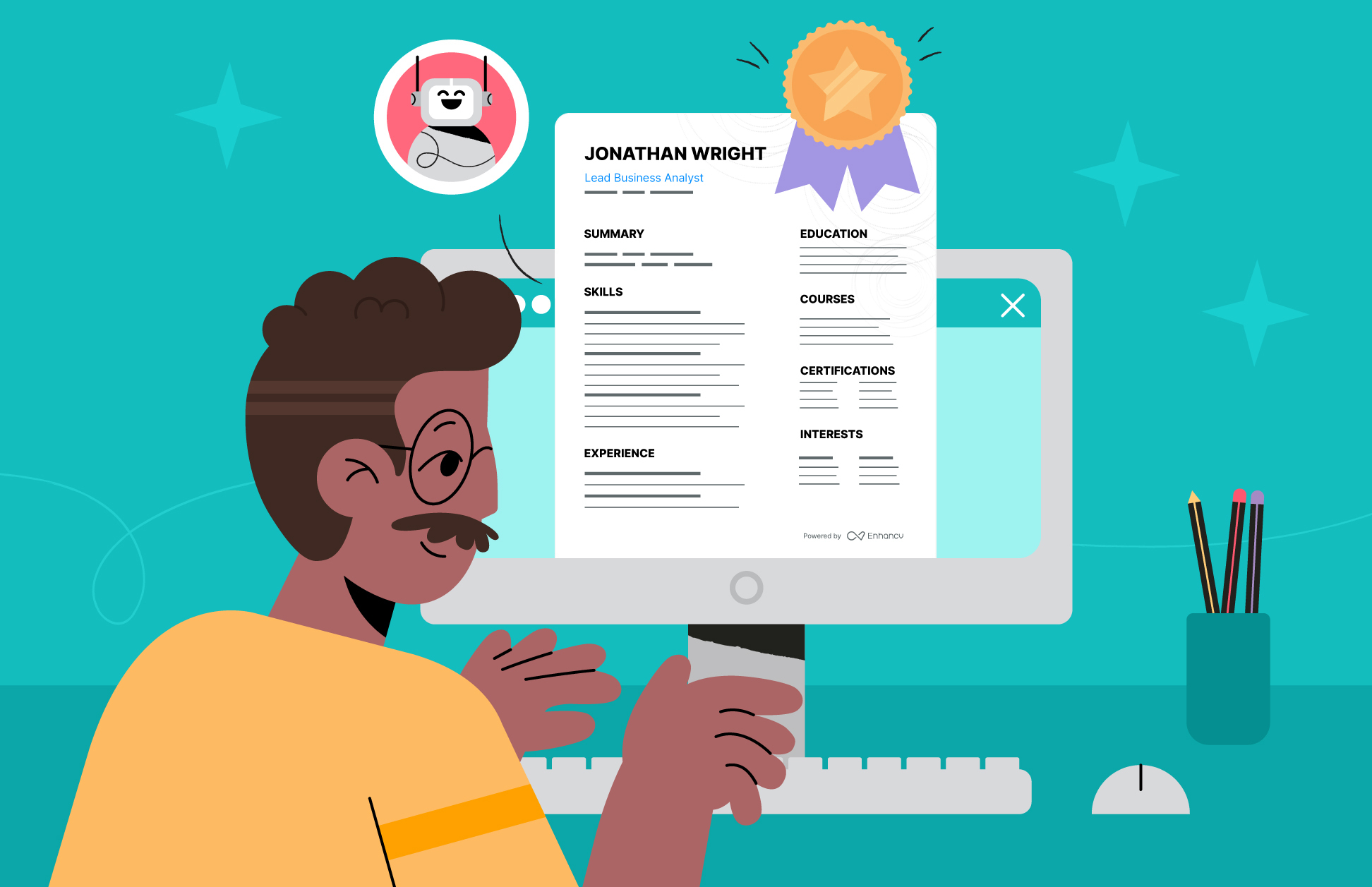
A great resume summary is 3-4 sentences about your best skills and achievements. It should include numbers that prove your success and keywords from the job posting. Your summary must show what makes you special and valuable to employers. The goal is making hiring managers want to read your entire resume.
Why Your Resume Summary Makes or Breaks Your Job Search
Picture this scenario. A hiring manager sits with 200 resumes for one job. They spend only 6-8 seconds looking at each resume. Your resume summary decides your fate in those precious seconds. It’s your elevator pitch and first impression rolled into one. This section often determines if you get an interview or not.
What Is a Resume Summary and Why Does It Matter?
A professional summary serves as your personal marketing statement at the top of your resume. This powerful section determines whether hiring managers continue reading or move to the next candidate. Many job seekers use a resume maker to ensure their summary appears professionally formatted and eye-catching.
The Definition That Changes Everything
A resume summary is a short section at the top of your resume. It tells your professional story in 3-5 powerful sentences. Unlike old objective statements, it focuses on what you offer employers. This summary replaces the outdated “seeking opportunities” approach.
The Psychology Behind First Impressions
Harvard research shows people form opinions within milliseconds of meeting someone. The same thing happens when hiring managers read resumes. Your summary creates that crucial first impression. It sets the tone for everything else they read.
The Anatomy of an Attention-Grabbing Resume Summary
Creating an attention-grabbing resume requires understanding what hiring managers look for first. Your summary must combine the right elements to make an immediate impact. Most free resume maker tools include templates specifically designed to highlight these essential components.
Core Components That Command Attention
Every good resume summary has four key parts. First, state your job title or area of expertise. Second, mention your years of experience. Third, include accomplishments with specific numbers. Fourth, list skills that match the job requirements.
The Power of Strategic Positioning
Where you put your summary matters a lot. Place it right after your contact information. This makes it the first real content hiring managers see. This prime location demands your best professional story.
Research and Preparation: The Foundation of Success
Effective job search strategies start with thorough research before writing your resume summary. Understanding your target market helps you position yourself strategically in the competitive job landscape. This preparation phase separates successful candidates from those who submit generic applications.
Understanding Your Target Audience
Research your target companies before writing anything. Learn about their culture and values. Read job descriptions carefully for repeated themes. Figure out what problems your role would solve.
Keyword Research for Resume Optimization
Most companies use computer systems to scan resumes first. These systems look for specific keywords before humans see your resume. Include relevant industry words and job-specific terms naturally. Don’t stuff keywords awkwardly into sentences.
Crafting Your Professional Brand Story
Your professional summary becomes the foundation of your personal brand in the job market. This section tells employers who you are and what unique value you bring. Strong personal branding through your resume summary sets you apart from other candidates immediately.
Identifying Your Unique Value Proposition
Your summary should answer one key question clearly. What makes you uniquely qualified for this job? Think honestly about your strengths and accomplishments. Focus on the specific value you bring to companies.
Balancing Confidence with Authenticity
Show confidence without sounding fake or boastful. Avoid generic phrases like “hardworking” or “team player.” Instead, use specific examples of your contributions. Be proud of your achievements while staying truthful.
Writing Techniques That Capture Attention
Mastering proven resume writing tips transforms ordinary summaries into compelling marketing statements. The right writing techniques help your professional story stand out in crowded applicant pools. These strategies work whether you write from scratch or use templates from online tools.
The Hook: Starting with Impact
Start your first sentence with your most impressive achievement. Lead with something that immediately grabs attention. Consider opening with a number that shows your success. Make hiring managers want to keep reading.
Action-Oriented Language That Energizes
Use strong action words to create energy in your summary. Words like “led,” “improved,” “created,” and “achieved” show results. These power verbs make you sound proactive and successful. Avoid weak words like “responsible for” or “helped with.”
Tips for Quantifying Your Impact
Numbers make your achievements more believable and impressive. Here are ways to add numbers to your summary:
- Include percentage improvements you created
- Mention dollar amounts you saved or earned
- State team sizes you managed or worked with
- Add timeframes for completing major projects
- Show customer satisfaction scores or ratings
Industry-Specific Language That Resonates
Each industry has its own important words and priorities. Tech workers should mention innovation and efficiency. Healthcare professionals focus on patient outcomes and safety. Use language that speaks directly to your field’s values.
Common Mistakes That Kill Resume Summaries
Even well-intentioned job seekers make critical errors that weaken their resume summary impact. Understanding these common pitfalls helps you avoid the mistakes that send resumes to the rejection pile. Learning what not to do is just as important as mastering effective techniques.
Generic Statements That Blend Into the Background
Don’t use template language that could describe anyone. Phrases like “seeking challenging opportunities” are meaningless now. “Results-driven professional” has been overused and ignored. Make your summary unique to you and your achievements.
Length Issues: Too Long or Too Short
Summaries longer than five sentences lose reader attention quickly. Summaries shorter than three sentences don’t provide enough information. The best length is usually 3-4 well-written sentences. Each sentence should pack a punch.
Industry-Specific Resume Summary Examples
Different industries value different skills and achievements in their ideal candidates. These resume summary examples show how to tailor your approach for maximum impact. Studying successful summaries in your field provides inspiration and practical guidance for writing yours.
Technology and Engineering Professionals
Tech summaries should highlight technical skills and project results. Example: “Senior Software Engineer with 8 years building web applications. Expert in React and Node.js with 15 successful product launches. Reduced system downtime by 40% while leading development teams.”
Healthcare and Medical Fields
Healthcare summaries need patient care experience and certifications. Example: “Registered Nurse with 6 years of ICU experience specializing in cardiac care. Achieved 98% patient satisfaction scores and certified in advanced life support. Experienced with high-pressure emergency situations.”
Sales and Marketing Positions
Sales professionals should focus on revenue and relationship building. Example: “Sales Manager with 10 years driving business growth and exceeding quotas. Consistently beat targets by 25% while building strategic partnerships. Generated $2.3M in new annual revenue through client relationships.”
Creative and Design Roles
Creative professionals need to balance art with business impact. Example: “Award-winning Graphic Designer with 7 years creating brand identities. Worked with Fortune 500 companies from concept to completion. Increased client engagement rates by 45% through innovative design solutions.”
Optimization and Customization Strategies
Resume optimization goes beyond basic formatting to include strategic content adjustments for each application. Smart job seekers understand that one-size-fits-all summaries rarely generate strong responses from employers. Customization requires extra effort but delivers significantly better results in competitive job markets.
Tailoring for Each Application
Customize your resume summary for every job application. Match your summary to specific job requirements and company culture. This targeted approach increases your interview callback rates significantly. Generic summaries get ignored more often.
A/B Testing Your Resume Summary
Create different versions of your resume summary. Track which versions get the best responses from employers. This helps you identify the most effective way to present yourself. Keep refining based on the feedback you receive.
Advanced Techniques for Maximum Impact
Experienced professionals use sophisticated strategies to make their resume summary truly memorable. These advanced techniques separate good summaries from exceptional ones that generate interview invitations. Implementing these methods requires practice but creates powerful results for serious job seekers.
The Power of Social Proof
Include recognition, awards, or achievements in your summary. Third-party validation makes your claims more believable. Phrases like “top performer” or “innovation award winner” carry weight. Let others’ recognition speak for your abilities.
Creating Emotional Connection
Address the hiring manager’s needs and concerns professionally. Show how you solve problems they face daily. This requires understanding challenges in your target role. Position yourself as the solution they need.
Quality Assurance and Final Polish
Professional presentation matters enormously in competitive job markets where first impressions determine outcomes. Even minor errors can undermine otherwise strong resume summaries and cost you interview opportunities. Taking time for thorough quality checks ensures your hard work pays off.
Proofreading for Perfection
Even small errors in your summary can ruin your chances. This section gets the most attention from hiring managers. Have multiple people check your work for mistakes. Perfect grammar and spelling show professionalism.
Testing Readability and Flow
Read your summary out loud to check how it sounds. If sentences feel choppy or awkward, revise them. Your summary should flow naturally when spoken. Good writing sounds conversational even when professional.
Getting Feedback from Industry Professionals
Ask mentors, colleagues, or industry professionals for input. They understand what resonates in your field. Their feedback helps you see blind spots. Professional perspectives make your summary stronger.
Tips for Writing Success
Here are proven strategies for creating powerful resume summaries:
- Start with your biggest achievement or unique qualification
- Use specific numbers to prove your impact and results
- Match keywords from the job posting naturally
- Keep sentences between 10-14 words for easy reading
- Focus on what you accomplished, not just job duties
- Avoid overused phrases like “detail-oriented” or “team player”
- Update your summary for each job application
- Read it aloud to check flow and clarity
- Get feedback from people in your industry
- Proofread multiple times before sending
Conclusion
Writing a resume summary that grabs attention takes planning and practice. Your summary is the gateway to your professional story. Those first few seconds can change your entire career path. Make them count with specific achievements and clear value.
The time you spend crafting a great resume summary pays off. It works throughout your entire job search and beyond. Your summary will grow as your career advances. Start with these basics and keep improving based on results.
Your dream job is waiting for the right candidate. Your perfectly written resume summary might be the key. Take time to get it right because good summaries don’t just help you stand out. They help you move forward in your career.
Standing out in today’s job market requires more than luck. It takes strategy, preparation, and excellent writing. Your resume summary is your chance to shine. Make it count and watch your interview invitations increase.