

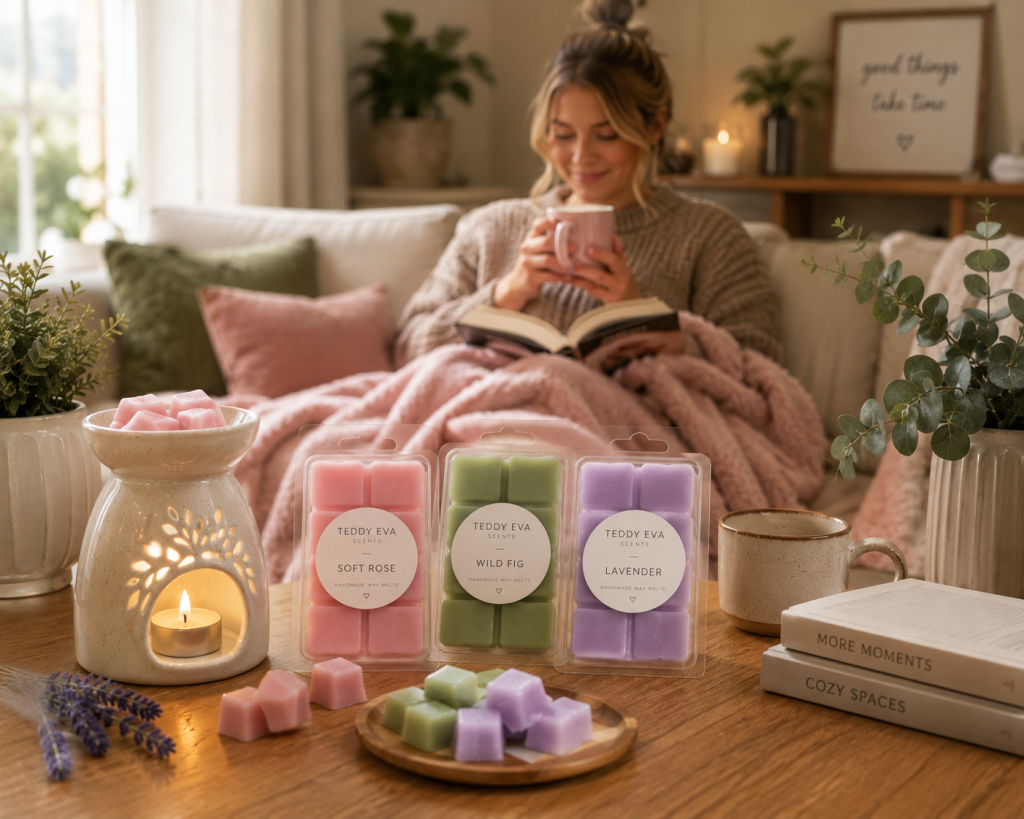
We moved house about a year ago now. New build, everything freshly painted, furniture all in the right spots within the first fortnight because I’m impatient like that. And yet for months it just felt… off, somehow. Not bad, just not finished. My partner kept saying it needed more art on the walls. I wasn’t convinced that was actually it.
Turned out the missing thing wasn’t visual at all. It was smell. The place had no scent to speak of, nothing that made it feel like anyone actually lived there day to day. New houses have this oddly neutral, almost sterile air about them, and ours had never quite shaken that off. What it needed, really, was a bit of proper home fragrance to feel like anyone actually belonged there.
So I grabbed a couple of cheap wax melts from a little shop near the station, mostly on a whim rather than any actual plan. Within about a week, honestly, the whole downstairs felt different. Not dramatically, nothing you’d point to and go ah, that’s it, but different. Warmer, somehow, even though obviously the temperature hadn’t changed at all.
Why Scent Changes Atmosphere
Lighting and layout get noticed the second you walk into a room. Smells slower than that, sneakier, working on you before you’ve even clocked what’s happening. That’s the bit people underestimate, I think.
A room with genuinely no smell at all tends to just read as empty, no matter how much furniture’s crammed into it. Add something warm to the air and the exact same space suddenly feels occupied, like someone actually spends real time in there rather than just passing through. I tested this on a few unsuspecting guests, not telling them anything, just watching whether they commented. Most did, unprompted, usually something vague like It’s so cozy in here,” without being able to say why.
There’s a reason for that beyond just vibes, apparently. Smell goes almost straight to the part of the brain tied to memory and emotional response, more directly than sight or sound manages. Which probably explains why one specific scent can drop you back into an old memory faster than looking at an actual photo would.
Best Rooms for Wax Melts
Living rooms can handle bolder, stronger scents fairly well, mostly because they’re usually the biggest room and the one people spend the most waking hours in. Something warm, maybe slightly spiced, fills that kind of space nicely without tipping into overwhelming.
Hallways get overlooked constantly, which is a shame because that’s genuinely the first impression of a whole house. A fresh or citrus-leaning scent tends to suit that narrow, high-traffic space better than anything heavier would. Bedrooms want something gentler, lavender, or a soft floral, since anything too strong feels like a lot right before trying to sleep. Bathrooms are more forgiving than people assume; almost any clean scent works there, though a lot of people naturally lean toward something crisper given what the room’s actually for.
Kitchens are the trickiest ones, if I’m honest. Cooking smells compete constantly with whatever fragrance you’re running, so anything too delicate just gets lost. Citrus or a sharper herbal scent cuts through better than something sweet or floral ever manages to in there.
Choosing Scents by Mood
Wanting to properly unwind after a long day usually calls for lavender or chamomile, softer notes that don’t ask anything of you. If it’s energy you’re after instead, citrus or a sharper mint-adjacent scent seems to do more actual waking up than coffee does, in my experience, though I’ll admit that might just be me.
Cozy evenings suit vanilla or amber, that whole warm, faintly sweet category people gravitate toward without really thinking about why. Having people over calls for something a bit more universally likeable and less polarizing; a woody or subtle floral note usually lands better across a room full of different tastes than anything too niche or unusual would.
It’s worth saying too, none of this is a strict science. Plenty of people just run the same one scent regardless of mood or occasion, and that’s completely fine. This is more a starting point than a rulebook.
Tips for Maximum Fragrance
Don’t cram the dish full thinking more wax automatically means more scent. Usually it’s the opposite; if anything, it just dilutes the throw rather than strengthening it. One or two cubes tends to be the actual sweet spot for most standard warmers.
Keep the warmer away from any draft, open window, or vent since moving air carries the scent off before it’s had the chance to properly build up in the room. Give it real time too; rushing this bit just means you’re smelling half-melted wax rather than the full fragrance actually doing its job. And clean out leftover residue between different scents; old wax mixing in with something new tends to muddy the whole thing more than most people expect.
One thing I learned the hard way: placement height matters more than you’d think. A warmer tucked low behind furniture just doesn’t circulate scent the same way one sitting at a reasonable height in the open does.
Safety Tips
Never leave a warmer running unattended for long stretches. Easy rule to state, apparently harder to actually stick to, especially with electric versions that feel inherently safer than they sometimes really are. Keep them well clear of curtains, paper, or anything else flammable sitting nearby.
Let the wax cool fully before scraping it out or handling the dish at all. Skipping that step tends to just end in a mess rather than saving any real time, speaking from experience. And if anyone in the household deals with breathing sensitivities or asthma, lighter fragrance oils generally sit a lot better than heavily concentrated, punchy ones.
Common Questions
How long does one wax melt actually last?
Depends a fair bit on wax quality, but somewhere between four and eight hours of noticeable scent is fairly typical. Longer if the warmer isn’t running constantly the whole time.
Can you mix different wax melt scents together?
Yes, and it’s genuinely one of the more enjoyable parts once you get into it, though it’s worth sticking to complementary scent families rather than throwing two totally opposing ones onto the same dish.
Do wax melts work well in large open-plan spaces?
To an extent. Bigger rooms usually need either a stronger scent or more than one warmer positioned around the space to actually feel covered properly, rather than just scenting one corner.
Is it normal for scent to fade faster in some rooms than others?
Completely normal, yes. Airflow, room size, and even how often a door’s opened all affect how long a scent hangs around, so don’t assume a melt’s gone bad just because it fades quicker in one room versus another.
Final Thoughts
Changing how a room actually feels doesn’t always mean new furniture or another coat of paint on walls that are already fine. Sometimes it really is something as simple as what’s filling the air while you’re in there. Wax melts are a low-effort, fairly cheap way to make a space feel finished and properly lived in, rather than just a room that technically has all the right things in all the right places but doesn’t quite feel like yours yet.