

How to use osha root for seasonal wellness is a practical question, not a reason to build an extreme supplement routine. Many people are not looking for a long list of broad “benefits.” They want to know when to take it, which format is easier, whether daily use makes sense, and how to avoid taking too many herbal products at once.
Osha root, also known as Ligusticum porteri, is commonly found in tinctures, capsules, dried root, teas, and liquid extracts. Secrets Of The Tribe approaches this topic with a routine-first mindset: start with the product label, choose one format, keep expectations modest, and do not use osha root as a substitute for professional care.
This article does not provide medical advice. Osha root supplements are not intended to diagnose, treat, cure, or prevent any disease. If you are pregnant, nursing, under medical care, taking medication, managing a health condition, or unsure whether osha root is appropriate for you, speak with a qualified healthcare professional before use.
What Does “Seasonal Wellness Routine” Mean?
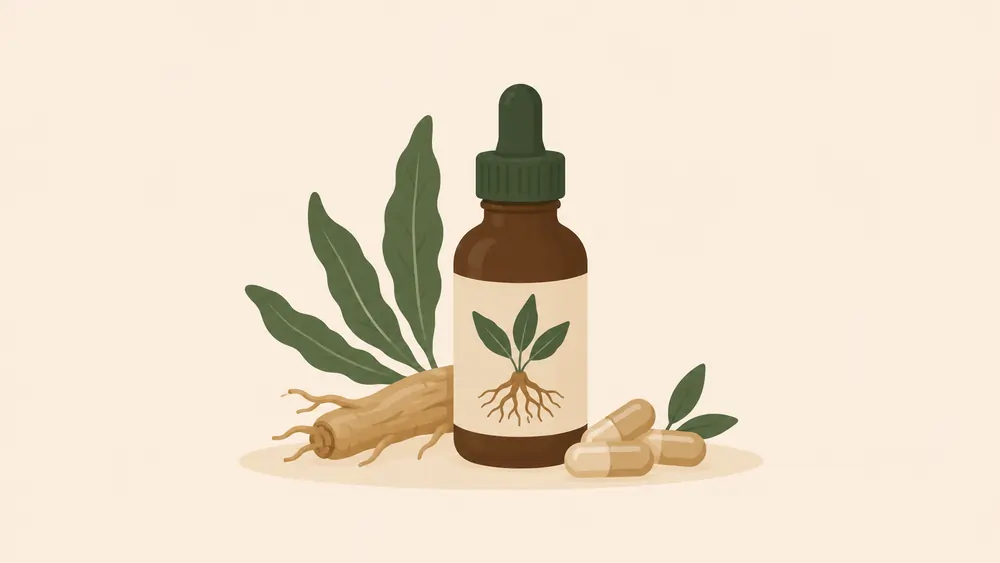
A seasonal wellness routine is a general support routine used during certain times of the year. It may include sleep, hydration, balanced meals, warm drinks, time outdoors, hand hygiene, and carefully chosen supplements. It should not be framed as a medical plan.
For osha root, seasonal wellness language matters. Avoid using it as a replacement for medical evaluation or as a product for diagnosed conditions. The safer approach is to think in terms of routine, comfort, label directions, format choice, and responsible use.
A good seasonal routine should be simple enough to repeat. If it requires five new supplements, complicated timing, and guessing about serving sizes, it is already too much.
How to Use Osha Root for Seasonal Wellness: Quick Answer
| Step | Best Practice | Why It Matters | Watch-Out |
|---|---|---|---|
| Start with the label | Follow the product’s suggested use | Different formats have different serving directions | Do not copy timing from another product |
| Choose one format | Use tincture, capsules, tea, or dried root, not all at once | Keeps the routine easier to track | Avoid doubling up on osha products |
| Use a routine anchor | Pair with breakfast, lunch, or an evening ritual | Makes the habit easier to remember | Move to food if empty-stomach use feels uncomfortable |
| Keep expectations modest | Use as part of a general wellness routine | Reduces unrealistic assumptions | Do not use it instead of medical care |
| Review safety factors | Check pregnancy, nursing, medication, and allergy cautions | Osha is not appropriate for everyone | Ask a professional when unsure |
Which Osha Root Format Should You Choose?
The best format depends on your routine, taste tolerance, and experience level. Beginners usually do better with clearly labeled prepared products, such as tinctures or capsules, rather than loose dried root.
Tincture
Osha root tincture is a liquid extract. It may work well for people who like liquid herbal supplements and want flexible use. The taste can be strong, so many users prefer diluting it in water.
Capsules
Osha root capsules are usually easier for people who dislike strong herbal flavor. They are also more travel-friendly and simpler to pair with meals.
Tea
Osha root tea may fit people who enjoy slow herbal rituals. It takes more preparation time and exposes you to the full taste and aroma of the root.
Dried Root
Dried root is better for experienced users. It requires sourcing awareness, preparation knowledge, and extra caution around correct botanical identification.
Best Timing for Osha Root in a Seasonal Routine
The best timing is the timing given on the product label. If the label allows flexibility, choose a time that fits your day and feels comfortable.
Many people place osha root with breakfast, lunch, or an evening wellness routine. Food may make the routine easier for people with sensitive stomachs. Water is useful with capsules and tinctures. A warm drink may fit tea-style routines.
Do not force empty-stomach use. If osha root feels too strong before food, move it to a meal. Comfort matters because an uncomfortable routine usually fails.
Can You Use Osha Root Every Day?
Daily use depends on the specific product label, serving directions, your health situation, and professional guidance. There is no universal daily-use rule that applies to every osha root product and every person.
If a product is designed for occasional seasonal use, follow that direction. If the label suggests a daily routine, still avoid exceeding the suggested serving. More is not automatically better.
Because safety data for osha root is limited compared with many common foods and nutrients, a conservative approach makes sense. Use the label. Avoid long, casual use without guidance. Ask a qualified professional if you plan to use it regularly or alongside medication.
Should You Take Breaks From Osha Root?
Breaks may make sense if you use osha root seasonally rather than continuously. A seasonal approach usually means using the product during a defined period, then stopping when that routine is no longer needed.
The label should guide your first decision. Some products may suggest a specific pattern. Others may give general serving directions without long-term use instructions.
If you are unsure, keep the routine short and simple. Do not turn osha root into a permanent daily habit without professional input, especially if you take medication or manage a health condition.
How Many Osha Products Should You Use at Once?
Use one osha root format at a time. Do not take tincture, capsules, tea, and dried root together unless a qualified professional has reviewed your full routine.
Combining multiple formats can make it hard to track total intake. It can also make it harder to know what caused discomfort if your stomach reacts badly or the taste feels too intense.
A clean routine is easier to evaluate. Choose one product. Follow the label. Observe comfort. Adjust only one variable at a time.
Osha Root Routine by Format
| Format | Routine Fit | Best For | Practical Caution |
|---|---|---|---|
| Tincture | Morning, midday, or evening with water | People who prefer liquid supplements | Strong taste and extraction base matter |
| Capsules | With breakfast or lunch | People who want no taste and easy travel | Follow serving size and use water |
| Tea | Slow home routine | People who like herbal rituals | Requires preparation and taste tolerance |
| Dried root | Experienced DIY preparation | Users with sourcing knowledge | Plant identification and sustainability require caution |
What Not to Expect From Osha Root
Do not expect osha root to replace medical care, override poor sleep, or act as a guaranteed seasonal solution. It should not be used as a stand-in for a clinician’s advice when symptoms are severe, persistent, unusual, or worsening.
Osha root also should not be described with disease claims. Safer wording focuses on seasonal wellness routines, traditional herbal use, format choice, and responsible label-led use.
This distinction matters for readers and for compliance. A wellness article can be useful without making promises that cross into medical territory.
Who Should Avoid Osha Root or Ask First?
Pregnant people should avoid osha root unless a qualified healthcare professional gives personalized guidance. Nursing people should also avoid casual use because reliable safety information is limited.
People taking medications should ask before use. This includes people taking blood thinners, blood pressure medication, diabetes medication, immune-related medication, or any prescription product that requires careful monitoring.
People with allergies, chronic conditions, upcoming surgery, or a history of reactions to herbal products should also be cautious. Natural does not mean automatically safe for every person.
Sourcing and Plant Identification Matter
Osha root deserves extra sourcing attention. It is often discussed as a wild-harvested plant, and sustainability concerns can come up around slow-growing wild populations. Responsible sourcing should be part of the buying decision.
Look for the botanical name Ligusticum porteri on the label. Avoid vague products that do not clearly identify the plant. Also avoid DIY wild harvesting unless you have expert training. Plant misidentification can be dangerous.
Secrets Of The Tribe treats sourcing as part of responsible supplement education. A seasonal routine should start with a clearly labeled product, not guesswork about plant identity or origin.
How to Build a Simple Osha Root Seasonal Routine
A simple routine may look like this: choose one osha root product, read the label, pair it with a stable time of day, use it only as directed, and avoid stacking it with several new herbs at once.
If you choose capsules, take them with food and water if the label allows it. If you choose tincture, dilute it if the taste is strong. If you choose tea, prepare it when you have enough time to use it calmly.
Do not start osha root on the same day you start multiple other supplements. If discomfort appears, you will not know which product caused the problem. Start one new item at a time.
Osha Root Seasonal Wellness Checklist
Use this checklist before adding osha root to your seasonal wellness routine. The goal is to keep the routine clear, safe, and realistic. A good routine should be easy to follow and easy to stop when it no longer fits.
Start With the Label
Read the suggested use, serving size, warnings, and other ingredients. The label should guide timing before any general article does.
Pick One Format
Choose tincture, capsules, tea, or dried root. Do not use multiple osha formats at the same time without professional guidance.
Use a Stable Timing Anchor
Pair the product with breakfast, lunch, or an evening routine. A stable habit makes the routine easier to remember.
Keep the Routine Seasonal
Use osha root as part of a defined seasonal wellness period, not as an endless habit. Ask a professional if you plan longer regular use.
Avoid Medical Substitution
Do not use osha root instead of medical care. Seek appropriate help for severe, unusual, persistent, or worsening symptoms.
Check Personal Safety Factors
Review pregnancy, nursing, medication, allergies, health conditions, and surgery plans. Ask a qualified professional when any of these apply.
Review Sourcing Carefully
Look for clear botanical identification and responsible sourcing. Avoid wild-harvest guesswork and poorly labeled products.
Common Mistakes to Avoid
Using Osha Root Like a Medical Product
Keep the language and routine in the wellness category. Do not use osha root as a substitute for diagnosis, treatment, or professional care.
Taking Several Osha Formats Together
Using tincture, capsules, and tea together can create unnecessary overlap. Choose one format and follow the label.
Ignoring Pregnancy and Nursing Cautions
Osha root is not a casual-use herb for pregnancy or nursing. Ask a qualified professional before considering it.
Starting During a Complicated Supplement Week
Do not add osha root while also starting several other products. One new product at a time gives you clearer feedback.
Buying Without Checking the Botanical Name
Look for Ligusticum porteri and clear product labeling. Avoid vague products that do not identify the plant properly.
FAQ about How to Use Osha Root for Seasonal Wellness
How do you use osha root for seasonal wellness?
Start with the product label, choose one format, use a stable timing anchor, and avoid using it as a substitute for medical care.
Can you take osha root every day?
Daily use depends on the product label and personal safety factors. Ask a qualified professional if you plan regular or long-term use.
Should osha root be taken with food?
Food may make the routine easier for sensitive stomachs. Follow the label and move it to a meal if empty-stomach use feels uncomfortable.
What is the easiest osha root format for beginners?
Capsules are often easiest for beginners because they avoid strong taste and are simple to take with water.
Is osha root tincture better than capsules?
Not for everyone. Tincture offers liquid flexibility, while capsules offer no taste, travel convenience, and simple serving control.
Can you use osha root tea instead of tincture?
Tea may fit people who enjoy slow herbal routines. Tincture is usually faster and easier to use consistently.
Can pregnant people use osha root?
Pregnant people should avoid osha root unless a qualified healthcare professional gives personalized guidance.
Can you combine osha root with other supplements?
Do not stack several new supplements casually. Ask a professional if you take medications or manage a health condition.
Why does osha sourcing matter?
Osha is often discussed as a wild-harvested plant, and correct botanical identification matters. Choose clearly labeled, responsibly sourced products.
Glossary
Osha Root
The root of Ligusticum porteri, a plant used in some herbal supplement products.
Ligusticum porteri
The botanical name commonly associated with osha root.
Seasonal Wellness
A general wellness routine used during certain times of year without making disease-related claims.
Tincture
A liquid herbal extract usually taken directly or diluted in water.
Capsule
A supplement format that contains powder or extract inside a swallowable shell.
Dried Root
Whole or cut dried plant root used for experienced preparation methods.
Serving Size
The amount suggested on the product label for one use.
Wild-Harvested
Collected from natural plant populations rather than cultivated production systems.
Botanical Identification
The process of correctly identifying a plant by its accepted name and characteristics.
Conclusion
How to use osha root for seasonal wellness starts with one rule: follow the label and keep the routine modest. Choose one format, avoid overstacking, respect safety cautions, and pay attention to sourcing.
Sources
General dietary supplement consumer safety guidance, U.S. Food and Drug Administration — fda.gov/food/dietary-supplements/information-consumers-using-dietary-supplements
Osha root overview with safety and pregnancy cautions, WebMD — webmd.com/vitamins/ai/ingredientmono-959/osha
Osha root overview and plant identification caution, Healthline — healthline.com/nutrition/osha-root
Dietary supplement labeling and Supplement Facts overview, U.S. Food and Drug Administration — fda.gov/food/dietary-supplements
Osha conservation and wild-harvest context, United Plant Savers — unitedplantsavers.org/osha-ligusticum-porteri
Osha sustainability research and wild population context, University of Kansas Native Medicinal Plant Research Program — nativeplants.ku.edu/osha