

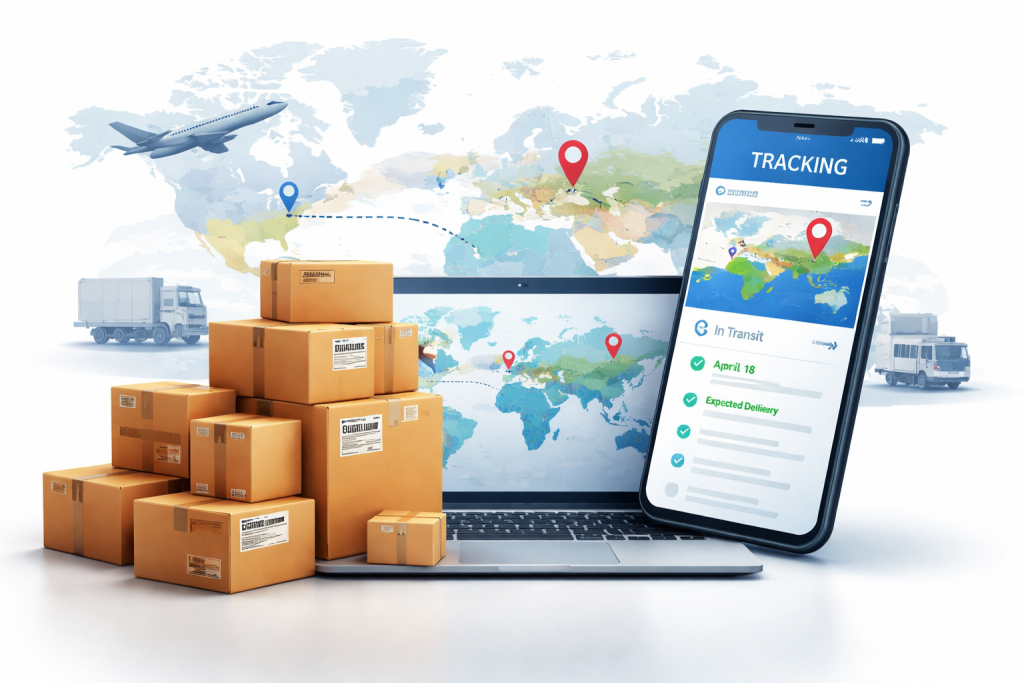
In today’s global shipping environment, tracking a package is no longer as simple as it once was. With the rise of eCommerce and cross-border deliveries, shipments often move through multiple logistics systems before reaching their final destination. While this improves delivery efficiency, it can make tracking more complicated for users.
Understanding how to track packages across multiple couriers can help you stay informed and avoid unnecessary confusion during the delivery process.
Why Packages Move Through Multiple Systems
When a package is shipped internationally, it rarely stays with a single courier. Instead, it passes through different logistics providers at various stages of its journey.
For example, a shipment might begin with a local courier in the sender’s country, then be transferred to an international carrier, and finally delivered by a regional courier in the destination country.
This multi-step process helps improve delivery speed and coverage, but it also introduces complexity in tracking.
Challenges in Multi-Courier Tracking
Tracking a shipment across multiple logistics systems can create several challenges. Each courier operates its own tracking system, which means updates may not always be consistent or synchronized.
Some of the most common issues include:
- Delayed or missing tracking updates
- Difficulty identifying which courier currently holds the package
- Confusion due to different tracking formats
- Gaps in tracking information during international transit
These issues can make it difficult for users to understand the real status of their shipment.
A More Efficient Way to Track Shipments
Instead of checking multiple courier websites separately, using a centralized tracking platform can simplify the entire process. A tool like 17TRACK allows users to track shipments from different couriers in one place.
By entering a tracking number once, the platform automatically detects the courier and provides a complete overview of the shipment’s journey. This reduces the need to manually search for updates across different systems.
In addition, using 17TRACK ensures that you receive consolidated tracking data, which makes it easier to follow your package from origin to delivery.
How Tracking Platforms Work
Modern tracking platforms are designed to integrate with multiple logistics providers worldwide. They collect data from different sources and present it in a clear and organized way.
These platforms typically offer:
- Automatic courier detection
- Real-time tracking updates
- Detailed shipment history
- Clear delivery status information
This makes it easier for users to understand where their package is and what stage it is currently in.
Understanding the Shipping Process
When tracking a package across multiple systems, it is important to understand the key stages of the shipping process.
These usually include:
- Acceptance by the origin courier
- Departure from the origin country
- Arrival in the destination country
- Customs clearance
- Transfer to a local delivery courier
- Final delivery
Each of these steps may be handled by a different logistics provider, which is why tracking updates can sometimes appear inconsistent.
For a better understanding of how global shipping networks are coordinated, you can refer to Universal Postal Union, which helps standardize international postal operations.
Why Tracking Updates May Seem Delayed
One common concern among users is that tracking updates do not always appear in real time. This can happen for several reasons.
For example, when a package is in transit between countries, there may be a delay before the next courier scans and updates the tracking information. Similarly, customs inspections can temporarily pause visible updates.
It is important to understand that a lack of updates does not necessarily mean the package is not moving.
Tips for Better Tracking
To make tracking easier and more accurate, consider the following tips:
- Always double-check your tracking number before entering it
- Use a reliable global tracking platform
- Be patient during international transit stages
- Avoid switching between multiple courier websites
Following these practices can help you avoid confusion and get more reliable tracking information.
Benefits of Using a Unified Tracking Platform
A unified tracking platform provides a more streamlined experience compared to checking individual courier websites. It combines data from different sources and presents it in a single interface.
Some key benefits include:
- Access to multiple couriers in one place
- Faster and more accurate updates
- Reduced effort and time
- Improved visibility of shipment progress
This makes it especially useful for international shipments that involve multiple logistics providers.
The Future of Package Tracking
As global shipping continues to grow, tracking systems are becoming more advanced. Improvements in technology are enabling better data sharing between couriers, resulting in more accurate and timely updates.
In the future, users can expect enhanced tracking features, better delivery predictions, and a more seamless experience overall.
Conclusion
Tracking a package across multiple logistics systems may seem complicated, but with the right approach, it becomes much easier to manage.
Using tools like 17TRACK provides a simple and effective way to monitor shipments across different couriers. Combined with a basic understanding of how shipping systems work, this approach allows users to stay informed throughout the entire delivery process.
With reliable tracking and the right tools, you can follow your shipments with confidence and avoid unnecessary confusion.