
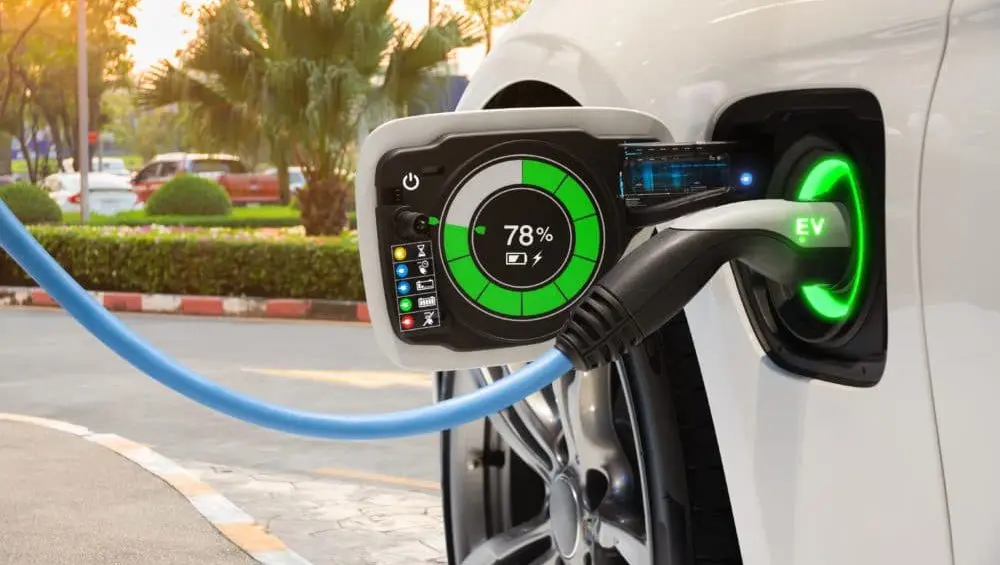
The rising cost of fuel has pushed many people to reconsider how they travel daily. One of the most effective long-term solutions is shifting to an electric vehicle (EV). EVs not only reduce dependency on petrol or diesel but also offer environmental benefits and lower running costs over time. However, the transition requires careful consideration of upfront expenses, infrastructure, and practical usage. In this article, we’ll explore how to shift to an EV for fuel savings, what it costs, and whether it’s worth the investment.
Understanding the Shift to EVs
Switching to an EV is not just about buying a new car—it’s a lifestyle and financial decision. Unlike conventional vehicles, EVs run on electricity stored in batteries rather than fuel burned in an engine. This fundamental difference leads to significant savings in fuel costs, especially in regions where petrol prices are volatile or consistently high.
To begin the transition, you need to evaluate your driving habits. Consider how far you travel daily, access to charging stations, and whether you can install a home charging unit. These factors will determine which type of EV suits your needs—whether it’s a fully electric vehicle or a plug-in hybrid.
Fuel Savings with EVs
The biggest advantage of EVs is the reduction in fuel expenses. Charging an EV is generally much cheaper than refueling a petrol or diesel vehicle. For example, the cost per kilometer for an EV can be significantly lower depending on electricity rates in your area.
If you compare monthly expenses, a traditional fuel-powered car might cost several times more than an EV in terms of running costs. Over a year, the savings can be substantial, especially for daily commuters. This is one of the primary reasons people search for ways to shift to EVs—fuel savings are immediate and noticeable.
Initial Costs of Buying an EV
One of the main concerns for buyers is the upfront cost. EVs typically have a higher purchase price compared to conventional vehicles. This is largely due to the cost of batteries, which are the most expensive component of an EV.
However, prices are gradually decreasing as technology improves and production scales up. Governments in many countries also offer incentives, subsidies, or tax reductions to encourage EV adoption. These incentives can significantly reduce the effective purchase price.
When evaluating cost, it’s important to look beyond the sticker price. Consider the total cost of ownership, which includes fuel savings, maintenance, and resale value.
Charging Infrastructure and Costs
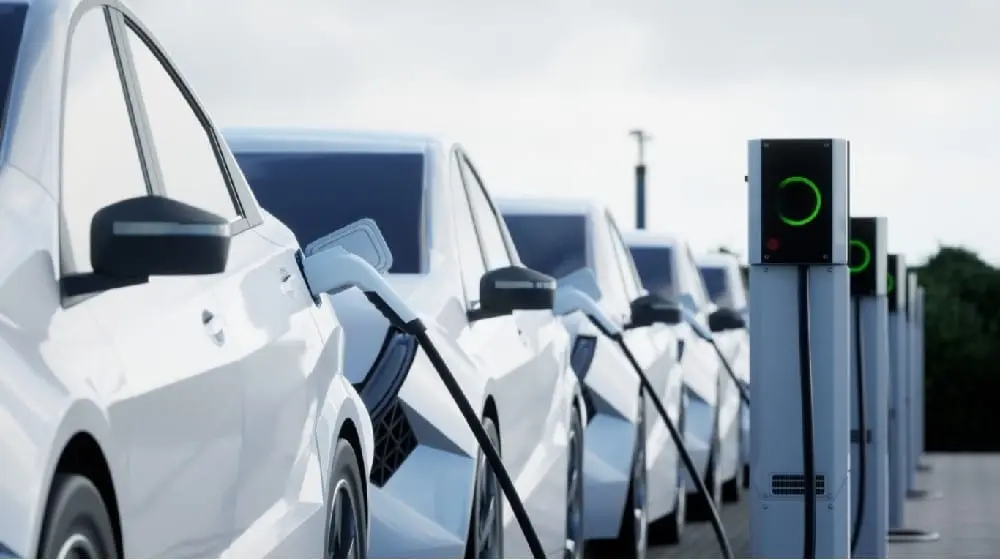
To fully benefit from an EV, you need access to reliable charging. There are three main charging options:
- Home Charging: Installing a home charger is the most convenient option. While there is an initial installation cost, it allows you to charge your vehicle overnight at lower electricity rates.
- Public Charging Stations: These are becoming more common in urban areas. Some are free, while others charge a fee based on usage.
- Fast Charging Networks: These provide rapid charging but are usually more expensive than home charging.
The cost of charging depends on electricity rates in your region. Even with higher electricity prices, EV charging is often still cheaper than fuel.
Maintenance Costs
EVs generally have lower maintenance costs compared to traditional vehicles. Since they have fewer moving parts, there is less wear and tear. For example, EVs do not require oil changes, exhaust system repairs, or complex engine maintenance.
Brake systems also last longer due to regenerative braking, which reduces friction. Over time, these savings add up and contribute to the overall cost-effectiveness of owning an EV.
Battery Replacement Costs
One of the long-term considerations is battery replacement. EV batteries degrade over time, although most manufacturers provide warranties that last several years.
Battery replacement can be expensive, but it is not usually required for many years. Additionally, battery technology is improving rapidly, and costs are expected to decrease in the future.
Hidden Costs to Consider
While EVs offer many savings, there are some hidden costs to keep in mind:
- Home charger installation
- Potential electricity bill increase
- Insurance costs
- Charging station fees (if using public networks frequently)
Despite these, the overall savings often outweigh the additional expenses over time.
Environmental and Long-Term Benefits
Apart from cost savings, EVs contribute to a cleaner environment by reducing greenhouse gas emissions. This is especially important in urban areas where pollution levels are high.
Switching to an EV also future-proofs your transportation, as many countries are planning to phase out petrol and diesel vehicles in the coming decades.
Is It Worth the Investment?
The answer depends on your individual circumstances. If you drive frequently and have access to affordable electricity, an EV can offer significant savings over time. The higher upfront cost can be offset by lower running and maintenance expenses.
For occasional drivers, the financial benefits may take longer to materialize, but the environmental advantages still make EVs a compelling choice.
Final Thoughts
Shifting to an EV is a smart move for those looking to reduce fuel expenses and embrace a more sustainable lifestyle. While the initial investment may seem high, the long-term savings and benefits make it a worthwhile consideration.
As technology continues to evolve and infrastructure improves, EVs are becoming more accessible and practical for everyday use. If you’re planning to make the switch, take the time to evaluate your needs, budget, and available options.
For more detailed comparisons and technical insights, you can always view source materials and expert analyses to make an informed decision.
By understanding the costs and benefits, you can confidently decide whether transitioning to an electric vehicle is the right step toward saving money and reducing your environmental impact.