
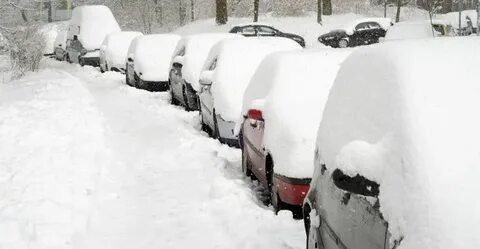
When winter approaches in Calgary, I always start thinking about how my vehicle will handle freezing temperatures, icy roads, and sudden snowstorms. The cold season can put serious strain on multiple systems, and if a car is not prepared properly, small issues can quickly turn into breakdowns. I once had a winter inspection done at Heritage AutoPro and Tire during a visit to an auto shop Calgary drivers rely on, and it showed me how important early preparation really is. From weak batteries to worn tires and low fluid levels, winter exposes every hidden weakness in a vehicle. The solution is to get ahead of the season by checking key components that affect safety, traction, and engine performance before temperatures drop sharply.
Winter tires are the first priority I focus on
The most important upgrade I make before winter is switching to proper seasonal tires. Standard all-season tires lose grip when temperatures fall below freezing, which increases stopping distance and reduces control on icy roads.
The Winter tire is designed with softer rubber compounds and deeper tread patterns to maintain traction on snow and ice.
From my experience, winter tires improve:
- Braking performance on icy surfaces
- Acceleration control in snow
- Steering stability on slushy roads
- Overall confidence during sudden weather changes
In Calgary, where freeze-thaw cycles are frequent, this upgrade is essential rather than optional.
Battery health becomes critical in cold weather
Cold temperatures reduce battery efficiency, and I have seen many vehicles fail to start on extremely cold mornings. A weak battery that works fine in summer may struggle in winter conditions.
The Car battery provides the electrical power needed to start the engine and run essential systems. When temperatures drop, chemical reactions inside the battery slow down, reducing output.
Warning signs include:
- Slow engine cranking in the morning
- Dimming headlights
- Electrical glitches in dashboard systems
- Battery older than 3–5 years
Engine oil and fluid adjustments for cold starts
Engine lubrication becomes more important in winter because oil thickens in low temperatures. If the oil is too thick, the engine has to work harder during startup.
The Engine oil helps reduce friction between moving parts and ensures smooth operation during cold starts.
I usually check:
- Oil viscosity rating for winter suitability
- Coolant level and antifreeze strength
- Brake fluid condition
- Transmission fluid performance in cold weather
Using the correct fluid grades ensures smoother engine performance during freezing conditions.
Cooling system protection against freezing
Even though it sounds counterintuitive, the cooling system plays a major role in winter protection. If coolant is not properly mixed, it can freeze and damage the engine.
The Engine coolant regulates engine temperature and prevents freezing by lowering the freezing point of the liquid inside the system.
Key checks include:
- Proper antifreeze concentration
- No leaks in radiator hoses
- Clean coolant reservoir
- Heater performance inside the cabin
Wiper blades and visibility preparation
Visibility becomes a major safety concern during snowstorms and slush buildup. I always make sure my wiper system is ready before winter begins.
The Windshield wiper helps clear snow, ice, and moisture from the windshield to maintain clear visibility while driving.
Preparation steps I follow:
- Replace worn or streaking blades
- Fill washer fluid with winter-rated solution
- Check defrost function
- Ensure windshield is free of cracks or chips
Brake system inspection for icy roads
Stopping power becomes even more important in winter because roads become slippery. I always make sure my brakes are in top condition before the season starts.
The Brake system ensures controlled stopping and stability during emergency braking situations on ice or snow.
Important checks include:
- Brake pad thickness
- Rotor condition
- Brake fluid quality
- Even braking response on all wheels
Tire pressure monitoring during temperature drops
One thing I have learned from experience is that tire pressure drops significantly in cold weather. This affects traction and fuel efficiency.
The Tire pressure changes with temperature, and even a small drop can reduce grip on icy roads.
I usually monitor:
- Monthly pressure checks
- Sudden pressure loss after cold nights
- TPMS warning lights
- Proper inflation according to winter specifications
Heating and defrost systems for comfort and safety
A functional heating system is not just about comfort, it is also about safety. Clear windows and a warm cabin help maintain focus during driving.
The Car heater ensures proper cabin heating and windshield defrosting during freezing conditions.
Key areas I check:
- Heater core performance
- Defrost airflow strength
- Cabin fan speed
- Consistent warm air output
Why I always prepare early for Calgary winters
From my experience, waiting until the first snowfall is too late. Winter preparation is most effective when done before temperatures consistently drop. In Calgary, conditions can change quickly, and being prepared helps avoid breakdowns and unsafe driving situations.
Early preparation helps:
- Reduce emergency repairs
- Improve road safety
- Increase vehicle reliability
- Extend component lifespan
Final thoughts from my experience
Preparing a car for Calgary winter is not just about a single upgrade but a combination of small, important checks across multiple systems. From winter tires and battery health to fluids and braking performance, each component plays a role in safe driving during extreme cold.
Over time, I have learned that consistent seasonal maintenance prevents most winter-related issues and keeps driving predictable even in harsh conditions.