
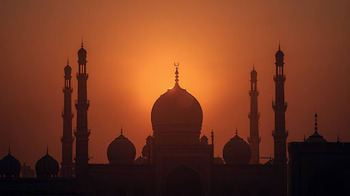
Eid al-Adha the Feast of the Sacrifice is one of the most powerful and meaningful celebrations in Islam. Every year, over 1.8 billion Muslims around the world come together to honor faith, love, and obedience to Allah. In 2026, this sacred occasion is expected to fall on Wednesday, May 27, 2026, bringing with it prayers, sacrifices, feasts, and heartfelt wishes shared across families and communities. Whether you are preparing for Qurbani, looking for Eid Mubarak wishes, or simply want to understand what this beautiful festival truly means, this guide covers everything you need to know.
What Is Eid al-Adha a Celebration Of?
Meaning of Eid al-Adha in Islam
The name “Eid al-Adha” comes from Arabic. “Eid” means celebration or festival, and “Adha” means sacrifice. So literally, it translates to the Festival of Sacrifice. It is the second of the two major Islamic Eids, with the first being Eid al-Fitr, which marks the end of Ramadan.
Eid al-Adha is also widely called the Greater Eid or “Eid al-Kabir,” because of its deep spiritual weight in Islam. It falls on the 10th of Dhul Hijjah, the final month of the Islamic lunar calendar, and its observance continues for three to four days.
Why It Is Called the Feast of the Sacrifice
The festival gets its name from the act of Qurbani — the ritual sacrifice of an animal such as a goat, sheep, cow, or camel. This act of sacrifice is done in remembrance of Prophet Ibrahim’s (AS) extraordinary obedience to Allah. The meat from the Qurbani is divided into three equal parts: one for the family, one for relatives and neighbors, and one for the poor and needy.
This is not just a ritual. It is a reminder that what you love most should never come before your love for Allah.
Religious Importance of Eid al-Adha
Eid al-Adha holds a special place in Islam because it connects three major acts of worship together: the Eid prayer, the Hajj pilgrimage, and the Qurbani sacrifice. While millions of pilgrims are in Mecca completing their Hajj journey, Muslims around the world join them spiritually by offering prayers and Qurbani at home.
Spiritual Message Behind Sacrifice in Islam
The spiritual message of Eid al-Adha goes beyond slaughtering an animal. It teaches Muslims that true submission to Allah means being willing to give up what you hold most dear. It is about trust, patience, and gratitude. It also teaches that sharing your blessings with others — especially the poor — is an act of worship itself.
Eid ul-Adha 2026
Eid ul-Adha 2026 Expected Dates
Eid ul-Adha 2026 is expected to begin on Wednesday, May 27, 2026, and end on Saturday, May 30, 2026. These dates are based on astronomical calculations of the Islamic lunar calendar, with the 10th of Dhul Hijjah 1447 AH falling on May 27. The Day of Arafah, which falls on the 9th of Dhul Hijjah, is expected on Tuesday, May 26, 2026.
Islamic Calendar and Eid Timing
The Islamic calendar is a lunar calendar, meaning it is approximately 10 to 11 days shorter than the Gregorian solar calendar we use for everyday life. This is why Eid al-Adha shifts earlier each year. Over roughly three decades, it cycles through all four seasons.
Moon Sighting for Eid al-Adha 2026
The exact date of Eid al-Adha is confirmed only after the official sighting of the crescent moon of Dhul Hijjah. Different countries may celebrate one day earlier or later depending on their local moon sighting committees. Muslims are always advised to follow the announcement of their local mosque or Islamic authority.
When Is Eid al-Adha 2026?
Expected Eid al-Adha 2026 Date Worldwide
| Region | Expected Date |
| Saudi Arabia | Wednesday, May 27, 2026 |
| USA & Canada | Wednesday, May 27, 2026 |
| UK | Wednesday, May 27 or Thursday, May 28 |
| Pakistan | Wednesday, May 27 or Thursday, May 28 |
| Indonesia & Malaysia | Wednesday, May 27, 2026 |
| Bangladesh | Wednesday, May 27, 2026 |
Dates are subject to official moon sighting confirmation in each country.
Eid al-Adha 2026 Date in Pakistan
In Pakistan, the date is confirmed by the Central Ruet-e-Hilal Committee. Based on calculations, Eid al-Adha 2026 in Pakistan is expected on May 27 or May 28, 2026, depending on the local moon sighting announcement expected around May 16–17, 2026.
Eid al-Adha 2026 Date in Saudi Arabia
Saudi Arabia follows the Umm al-Qura calendar and astronomical calculations. The expected date for Saudi Arabia is Wednesday, May 27, 2026, confirmed as the 10th of Dhul Hijjah 1447 AH.
Saudi Eid 2026
Saudi Arabia Eid al-Adha 2026 Announcement
Saudi Arabia’s Supreme Judicial Council makes the official Eid announcement each year following moon sighting reports. In 2026, astronomers and Islamic authorities in the Kingdom have aligned on May 27 as the most likely date. Saudi Arabia’s announcement often sets the tone for many Muslim-majority countries that follow the same ruling.
Importance of Saudi Moon Sighting
Saudi Arabia plays a central role in determining Eid al-Adha dates globally because it is home to Mecca and Medina — the holiest sites in Islam. When Saudi Arabia sights the moon and announces Eid, many Muslim communities worldwide choose to follow their lead out of respect for this sacred authority.
Hajj and Eid al-Adha Connection
Eid al-Adha is deeply connected to the Hajj pilgrimage. Hajj takes place in the first 10 days of Dhul Hijjah, with the peak being the Day of Arafah (9th Dhul Hijjah). The next day — the 10th — is Eid al-Adha. Pilgrims in Mina perform their sacrifice, while Muslims around the world do the same in their homes and communities. This shared act of worship unites the entire Muslim Ummah at the same moment.
Meaning and Religious Importance of Eid al-Adha
Importance of Faith and Obedience
Eid al-Adha is ultimately a celebration of faith and obedience. It reminds every Muslim that the greatest thing they can offer Allah is their heart — willing, trusting, and surrendered. The Prophet Muhammad (SAW) said that among the greatest deeds a person can do on Eid al-Adha is to perform their Qurbani sincerely for the sake of Allah.
Lessons Muslims Learn From Eid al-Adha
Muslims take away several life lessons from this festival every single year. They learn that patience in hardship leads to reward. They learn that sharing your blessings is a form of gratitude. And they learn that obedience to Allah, even when it is difficult, always leads to goodness.
Islamic Teachings About Sacrifice and Patience
In Islam, sacrifice does not always mean an animal. It means giving up comfort, time, money, and ego for the sake of Allah and for others. Eid al-Adha embodies this teaching beautifully. Every Muslim who goes without eating until after the Eid prayer, every person who shares their Qurbani meat with a neighbor they rarely speak to — they are all practicing this lesson.
The Story of Prophet Ibrahim and Sacrifice in Islam
Story of Prophet Ibrahim and His Son
The story of Prophet Ibrahim (AS) is one of the most moving in all of human history. After years of longing and prayer, Allah blessed Ibrahim with a son, Ismail (AS). That son became the light of his life. Then came the dream — Allah commanded Ibrahim to sacrifice his beloved son.
As described in the Quran in Surah As-Saffat (37:102), Ibrahim told Ismail about the dream. Ismail’s response was remarkable for a young man: “O my dear father! Do as you are commanded. Allah willing, you will find me steadfast.”
The Great Test of Faith
Father and son walked together toward an unimaginable act. Ibrahim was not forced. He was not tricked. He chose to obey — completely. As Ibrahim prepared to carry out the command, Allah sent the Angel Jibreel (AS) with a ram to sacrifice instead. Ismail was spared. The act was accepted. Ibrahim had passed the greatest test of faith.
Allah’s Mercy and the Sacrifice Story
The moment Allah replaced Ismail with a ram revealed something profound: Allah never wanted the child’s life. He wanted Ibrahim’s heart — his complete trust. This is the mercy of Allah. He tests us not to break us, but to build us. And every time a Muslim performs Qurbani, they are reliving that moment of trust and surrendering their attachment to worldly things for the sake of their Creator.
Why Muslims Celebrate Eid al-Adha Worldwide
Global Muslim Eid Traditions
From Cairo to Karachi, from London to Lagos, Muslims all over the world celebrate Eid al-Adha with prayer, sacrifice, and family. The common thread across all these different cultures and countries is the same: gratitude, generosity, and togetherness.
Cultural Eid Celebrations Around the World
- In Pakistan, women and girls apply henna, and children receive Eidi (money as gifts from elders).
- In Turkey, the celebration is called Kurban Bayramı and lasts four days as a national public holiday.
- In Morocco, families sacrifice a sheep and divide the meat into three portions. The entire country comes to a near standstill.
- In West Africa, Eid al-Adha is known as Tabaski and is considered the most significant celebration of the year.
- In Bangladesh, traditional meat dishes like Kala bhuna and Khasir Rezala are cooked and shared with family.
Importance of Unity During Eid
One of the most beautiful aspects of Eid al-Adha is how it creates unity across the Muslim world. On the same day, regardless of language, ethnicity, or culture, billions of Muslims bow before the same Allah, offer the same Eid prayer, and perform the same sacrifice. That moment of global togetherness is truly unlike anything else in the world.
Eid al-Adha Traditions and Islamic Customs
Sunnah Practices on Eid Day
Following the Sunnah of the Prophet (SAW) is central to how Muslims observe Eid al-Adha. Key Sunnah acts include:
- Performing Ghusl (ritual bath) before the Eid prayer
- Wearing your best and cleanest clothes
- Reciting the Takbir loudly while walking to the mosque
- Not eating before the Eid prayer (unlike Eid al-Fitr)
- Eating from the Qurbani meat when you return home
Wearing New Clothes and Eid Prayer
Dressing nicely on Eid is a Sunnah of the Prophet (SAW). Families often shop for new outfits in the days leading up to Eid. The Eid prayer (Salat al-Eid) is a two-unit (Rak’ah) prayer performed in congregation — usually in an open field or mosque — with seven additional Takbirs in the first Rak’ah and five in the second.
Visiting Family and Friends During Eid
After the prayer and Qurbani, visiting family and friends is one of the most cherished Eid traditions. Homes fill with laughter, food, and warm greetings. Elders are visited first out of respect. Children run from house to house collecting Eidi. These simple moments are what make Eid unforgettable.
How Qurbani Sacrifice Is Performed During Eid al-Adha
What Is Qurbani in Islam?
Qurbani (also known as Udhiyah) is the ritual sacrifice of a livestock animal performed by eligible Muslims during the days of Eid al-Adha. It is considered obligatory (Wajib) according to Hanafi scholars for every adult Muslim who possesses wealth above the Nisab threshold. For Shafi’i, Maliki, and Hanbali scholars, it is a confirmed Sunnah (Sunnah Mu’akkadah).
Rules for Animal Sacrifice
| Rule | Details |
| Eligible Animals | Sheep, goat, cow, buffalo, camel |
| Minimum Age (Sheep/Goat) | At least 1 year old |
| Minimum Age (Cow/Buffalo) | At least 2 years old |
| Minimum Age (Camel) | At least 5 years old |
| Time of Slaughter | After Eid prayer (10th Dhul Hijjah) until sunset on 12th Dhul Hijjah |
| One Sheep/Goat | Counts for one person or household |
| One Cow/Camel | Can be shared by up to 7 people |
Those intending to perform Qurbani should also avoid cutting their hair or trimming their nails from the 1st of Dhul Hijjah until after the sacrifice, following prophetic guidance.
Distribution of Qurbani Meat in Islam
The meat from Qurbani is divided into three equal portions:
- One-third for the family
- One-third for relatives, friends, and neighbors
- One-third for the poor and needy
This beautiful system ensures that even the most vulnerable members of society can enjoy a warm meat meal on the days of Eid. No one should go hungry while their neighbors celebrate.
How Many Days Is Eid al-Adha?
Official Eid Holidays in Muslim Countries
Eid al-Adha is officially observed for three to four days in most Muslim-majority countries. In 2026, the celebration is expected to run from May 27 to May 30. In Saudi Arabia, the private sector holiday begins on the Day of Arafah (May 26) and extends for four days.
Eid Celebration Duration Around the World
- Saudi Arabia: 4 days public holiday
- Pakistan: 3 days public holiday
- Turkey: 4 days (national holiday: Kurban Bayramı)
- Indonesia & Malaysia: 2–3 days
- UK & USA: Not an official public holiday, but Muslims observe personally
Islamic Importance of the Days of Eid
The days of Eid al-Adha are considered among the most blessed days of the Islamic year. The Prophet (SAW) described the Days of Tashreeq (11th, 12th, and 13th Dhul Hijjah) as “days of eating and drinking.” Muslims are encouraged to use these days to worship, give charity, strengthen family ties, and celebrate with gratitude.
When Does Eid al-Adha End?
Final Day of Eid al-Adha
Eid al-Adha officially ends on the 13th of Dhul Hijjah, which in 2026 falls around May 30. According to scholars, the Qurbani sacrifice is valid until sunset on the 12th of Dhul Hijjah, giving Muslims a window of three days to complete their sacrifice.
Days of Tashreeq Explained
The Days of Tashreeq are the 11th, 12th, and 13th of Dhul Hijjah. During these days, Muslims are required to recite the Takbir of Tashreeq after every obligatory (Fard) prayer — from Fajr on the 9th of Dhul Hijjah to Asr on the 13th. This adds up to 23 prayers in total, covering five days of continuous remembrance of Allah.
End of Qurbani Time in Islam
Qurbani can be performed on the 10th, 11th, or 12th of Dhul Hijjah. Slaughtering before the Eid prayer on the 10th is not valid as Qurbani. The window closes at sunset on the 12th of Dhul Hijjah. Any slaughter after this time does not count as the ritual Qurbani.
Spiritual Lessons From Eid al-Adha Feast of the Sacrifice
Importance of Gratitude and Kindness
Eid al-Adha is a yearly reminder to be grateful. Grateful for food on your table, for family around you, for health in your body, and for faith in your heart. Simple gratitude is one of the most powerful acts of worship in Islam, and this Eid is the perfect time to practice it fully.
Charity and Compassion During Eid
Sharing your Qurbani meat is not the only way to give during Eid. Many Muslims also donate money, clothes, and food to those in need. Across the world, Islamic organizations distribute Qurbani meat to refugee camps, conflict zones, and impoverished communities so that everyone — regardless of circumstance — can experience the joy of Eid.
Strengthening Faith Through Sacrifice
Every time you make a sacrifice — whether it is money, time, comfort, or pride — for the sake of Allah, your faith grows stronger. That is the core lesson of Eid al-Adha. It is not just a one-day celebration. It is a call to live with more intention, more generosity, and more trust in Allah every single day of the year.
Eid al-Adha Mubarak Wishes and Greetings
Best Eid Mubarak Wishes for Family
- “May Allah bless your home with peace, love, and endless joy this Eid al-Adha. Eid Mubarak to you and your beautiful family!”
- “Wishing my family the warmest Eid blessings. May Allah accept our prayers and sacrifices.”
- “On this blessed day of sacrifice, I pray Allah fills your life with happiness and His infinite mercy. Eid Mubarak!”
Heartfelt Eid Wishes for Friends
- “To my dearest friend — may this Eid al-Adha bring you closer to everything you have been praying for. Eid Mubarak!”
- “Sending you love, prayers, and the warmest Eid greetings. May Allah reward you always.”
- “Another Eid, another reason to be grateful for a friend like you. Eid Mubarak!”
Short Eid Greetings Messages
- “Eid Mubarak! May Allah’s blessings be with you today and always.”
- “Taqabbal Allahu minna wa minkum — May Allah accept from us and from you.”
- “Wishing you a joyful, peaceful, and blessed Eid al-Adha 2026!”
For more beautiful Eid captions and greetings, check out these wonderful Eid ul-Fitr captions perfect for sharing with your loved ones.
Beautiful Eid al-Adha Quotes and Blessings
Inspirational Eid Quotes
- “The greatest sacrifice is not what you give to others, but what you give to Allah — your trust, your obedience, and your heart.”
- “Eid al-Adha teaches us that faith is not just a feeling. It is a choice you make every single day.”
- “Like Ibrahim (AS), may we always choose love for Allah over love for the things of this world.”
Peaceful Eid Blessings for Loved Ones
- “May the spirit of this Eid al-Adha bring peace to your home, barakah to your life, and strength to your faith.”
- “May Allah bless every moment of your Eid with light, love, and everything good. Ameen.”
Islamic Quotes About Sacrifice and Faith
- “Indeed, my prayer, my sacrifice, my life and my death are all for Allah, Lord of all worlds.” — Quran 6:162
- “And We ransomed him with a great sacrifice.” — Quran 37:107
- “Whoever can afford to offer a sacrifice and does not do so, let him not come near our prayer place.” — Prophet Muhammad (SAW)
Eid al-Adha Prayers and Duas for Family and Friends
Best Eid Duas for Peace and Happiness
Eid Greeting Dua: “Taqabbal Allahu minna wa minkum” Translation: “May Allah accept from us and from you.”
This is the most authentic Eid greeting, used by the Companions of the Prophet (SAW) themselves.
Family Blessings for Eid Day
- “Allahumma barik lana fi ma razaqtana waqina ‘adhab an-nar.” (O Allah, bless what You have provided us and protect us from the punishment of the fire.)
- Pray for your parents, your children, your siblings, and every soul who is going through hardship this Eid.
Prayer for Success and Protection
- “Rabbi hab li minas saliheen” — My Lord, grant me a child among the righteous. (Quran 37:100)
- Ask Allah for tawfiq (guidance), rizq (provision), shifa (healing), and peace for your entire family on this blessed day.
Traditional Eid al-Adha Foods and Family Gatherings
Popular Eid Dishes Around the World
Food is a love language during Eid, and every Muslim culture has its own delicious way of celebrating.
| Country | Traditional Eid Food |
| Pakistan & India | Biryani, Nihari, Seekh Kebab, Halwa Puri |
| Turkey | Kuzu Tandır (roasted lamb), Baklava |
| Morocco | Mechoui (slow-roasted whole lamb) |
| Egypt | Fattah (lamb with rice and bread) |
| Bangladesh | Kala Bhuna, Khasir Rezala, Mutton Korma |
| Middle East | Ma’amoul cookies, Kabsa rice with meat |
| West Africa | Thieboudienne, spiced grilled mutton |
Traditional Muslim Foods for Eid
In many homes, the Eid feast starts with the Qurbani meat itself — grilled, roasted, or cooked into rich curries and stews. Sweets are also a big part of the celebration. In Middle Eastern homes, ma’amoul (date-filled shortbread cookies) are made in large batches to give to guests and neighbors.
Importance of Family Meals During Eid
Sharing a meal is one of the simplest and most powerful ways to celebrate Eid. When a family sits together at the table after prayer, after sacrifice, after gratitude — it is not just lunch. It is a moment of love and connection that every person at that table will remember for years.
Best Ways to Celebrate Eid al-Adha With Loved Ones
Spending Quality Time With Family
Put your phone down for a few hours. Sit with your elders. Listen to their stories. Teach your kids what Eid means. Cook together, laugh together, and pray together. The best Eid moments are the ones that happen when no one is trying to make a memory — they just happen naturally.
Sharing Gifts and Happiness
Giving Eidi to children is a beloved tradition. But gifts do not have to be expensive. A sweet treat, a heartfelt card, or a sincere phone call to a friend you have not spoken to in months — these are all gifts in their own right.
Creating Memorable Eid Moments
Take a family photo. Cook a new recipe together. Visit someone who is alone this Eid. Write a dua card for someone who is struggling. These small acts of kindness are what make Eid truly unforgettable.
Eid al-Adha Celebration Ideas for Families and Kids
Fun Eid Activities for Children
- Set up a small Eid decoration corner at home with lights and balloons
- Bake Eid cookies together and decorate them with the kids
- Create an Eid card-making station where children can make cards for grandparents
- Watch Islamic stories together about Prophet Ibrahim and Eid al-Adha
- Do a small charity drive where children pack bags of food or toys for those in need
Teaching Kids the Meaning of Eid
Children understand Eid better when you tell them the story of Ibrahim and Ismail in a way that is simple, warm, and age-appropriate. Explain that Eid al-Adha is about being brave enough to trust Allah, loving others enough to share, and being grateful enough to celebrate. These are lessons that will stay with them their whole lives.
Simple Eid Decoration Ideas
- Hang crescent and star bunting around the living room
- Place candles or fairy lights on the dining table
- Make a “Eid Mubarak” banner with the kids
- Fill a bowl with dates and place it at the entrance — a simple Sunnah touch
- Add some fresh flowers to brighten the home
Difference Between Eid al-Fitr and Eid al-Adha
Main Differences Between Both Islamic Festivals
Many people wonder how the two Eids are different. Here is a clear side-by-side comparison:
Eid al-Fitr vs Eid al-Adha Comparison Table
| Feature | Eid al-Fitr | Eid al-Adha |
| Arabic Meaning | Festival of Breaking the Fast | Festival of Sacrifice |
| When It Falls | 1st Shawwal (after Ramadan) | 10th Dhul Hijjah (during Hajj) |
| Duration | 1–3 days | 3–4 days (including Tashreeq) |
| Key Act of Worship | Charity (Fitrana/Zakat ul-Fitr) | Qurbani (Animal Sacrifice) |
| Eating Before Prayer | Yes (Sunnah to eat before) | No (eat after prayer, from Qurbani) |
| Connection to Pillar | End of Ramadan (Sawm) | Hajj Pilgrimage |
| Also Known As | “Choti Eid” (Small Eid) | “Bari Eid” (Greater Eid) |
Religious Meaning of Each Eid
Eid al-Fitr celebrates self-discipline and spiritual cleansing through a month of fasting. Eid al-Adha celebrates obedience, sacrifice, and love for Allah. Both are deeply meaningful — and together, they form the two pillars of celebration in the Islamic year.
Acts of Charity and Sharing During Eid al-Adha
Importance of Charity in Islam
Allah loves those who give. The Quran repeatedly links belief with generosity. On the days of Eid al-Adha especially, Muslims are encouraged to open their hearts and their hands — to give Qurbani, to donate to charity, and to ensure that no Muslim in their community goes without.
For more inspiration on charitable giving during Islamic celebrations, explore resources from Islamic Relief Worldwide, a trusted global authority on Muslim charitable work.
Helping Poor Families During Eid
Not everyone can afford a full Eid feast. Many families around the world go through Eid quietly, without new clothes, without Qurbani, and sometimes without a meal. When you give your Qurbani through a trusted charity, your sacrifice reaches refugee families in Yemen, Gaza, Bangladesh, and beyond — bringing them real joy on a day they might otherwise feel forgotten.
Sharing Qurbani Meat With Others
The three-way division of Qurbani meat is one of the most socially brilliant systems in Islam. It forces connection between the wealthy and the poor, between neighbors who barely know each other, and between families who might otherwise never exchange a meal. The simple act of delivering a bag of meat to your neighbor creates a bond that lasts far beyond Eid day.
Beautiful Eid al-Adha Images and Social Media Captions
Best Eid Captions for Instagram
- “Grateful, blessed, and celebrating the Feast of the Sacrifice. Eid Mubarak to all! 🌙”
- “Faith over fear. Trust over doubt. That’s the lesson of Eid al-Adha. Eid Mubarak!”
- “May this Eid fill your heart with peace and your home with love. 💛 Eid al-Adha Mubarak!”
- “Another year, another Eid. Alhamdulillah for it all. 🤲”
WhatsApp and Facebook Eid Status Ideas
- “Taqabbal Allahu minna wa minkum. Eid al-Adha Mubarak to every beautiful soul!”
- “This Eid, I pray Allah blesses you with everything you have been quietly hoping for. Ameen.”
- “To my family, my friends, and every stranger reading this — Eid Mubarak. May your day be filled with joy.”
Popular Eid Mubarak Image Quotes
Share warm Eid al-Adha graphics featuring the moon and star, traditional lanterns, or simple gold-on-green text cards. Keep your captions personal, warm, and true to your heart. The most shared Eid posts are always the ones that feel real — not polished, just genuine.
Table: Eid al-Adha Traditions Around the World
Eid Traditions in Saudi Arabia
In the Kingdom, Eid al-Adha is the biggest celebration of the year, deeply connected to Hajj. Pilgrims returning from Mecca bring home gifts. Families gather for large feasts. The Eid prayer in Mecca draws millions of worshippers and is broadcast across the world.
Eid Celebrations in Pakistan
Pakistan celebrates Eid al-Adha with enormous enthusiasm. Cattle markets (known as mandi) open weeks before Eid, and families go together to choose their Qurbani animals. Women apply henna, children receive Eidi, and the smell of grilled meat fills every neighborhood for three days.
Muslim Eid Customs in Different Countries
| Country | Local Name | Key Tradition |
| Saudi Arabia | Eid al-Adha | Hajj completion, large family gatherings |
| Pakistan | Bari Eid | Cattle markets, henna, Eidi for children |
| Turkey | Kurban Bayramı | 4-day holiday, visiting ancestors’ graves |
| Morocco | L’Aid | Whole sheep sacrifice, full family reunion |
| West Africa | Tabaski | Communal feasts, new clothing, gift giving |
| Bangladesh | Korbanir Eid | 13M+ animals sacrificed, Bengali meat dishes |
| Egypt | Eid al-Adha | Visiting graves, kleicha cookies, family visits |
Frequently Asked Questions
Why Is Eid al-Adha Called the Feast of Sacrifice?
Because it commemorates Prophet Ibrahim’s willingness to sacrifice his son in obedience to Allah, and Muslims honor this by performing Qurbani — the ritual slaughter of an animal — and sharing the meat with family and the poor.
When Is Eid al-Adha Celebrated Every Year?
Eid al-Adha falls on the 10th of Dhul Hijjah every year in the Islamic lunar calendar. In the Gregorian calendar, it shifts approximately 10–11 days earlier each year. In 2026, it is expected on May 27.
What Animals Are Used for Qurbani?
Sheep, goats, cows, buffalo, and camels are all eligible for Qurbani. Each must meet a minimum age requirement — sheep and goats must be at least one year old, cows at least two years, and camels at least five years.
Why Do Muslims Perform Sacrifice on Eid?
It is an act of worship and gratitude, following the Sunnah of Prophet Ibrahim (AS). It also ensures that meat reaches the poor and needy, creating a spirit of community and compassion.
Can Non-Muslims Celebrate Eid al-Adha?
Non-Muslims are welcome to join their Muslim friends and neighbors in the spirit of Eid — sharing food, exchanging greetings, and learning about the festival. It is a day of open hearts and warm welcomes.
What Should Muslims Do on Eid Morning?
Perform Ghusl, wear clean clothes, recite Takbir while walking to the mosque, pray the Eid prayer, and then come home to begin the Qurbani sacrifice. Do not eat before the prayer on this day.
How Is Eid al-Adha Different From Eid al-Fitr?
Eid al-Fitr marks the end of Ramadan and involves giving Zakat al-Fitr. Eid al-Adha commemorates Ibrahim’s sacrifice and involves Qurbani. Eid al-Adha is considered the Greater Eid and lasts three to four days.
Conclusion
Eid al-Adha is more than just a holiday. It is a reminder of what truly matters faith, family, sacrifice, and sharing. In 2026, as millions gather for prayer and Qurbani on May 27, let this Eid be a moment to reconnect with Allah, with your loved ones, and with your community. May your prayers be accepted and your sacrifices rewarded.
The story of Ibrahim and Ismail is thousands of years old, but its message never gets old. Trust Allah. Give generously. Stay united. This Eid, carry those lessons into your daily life not just for three days, but all year long. Eid al-Adha Mubarak to you, your family, and the entire Muslim Ummah. 🤲