
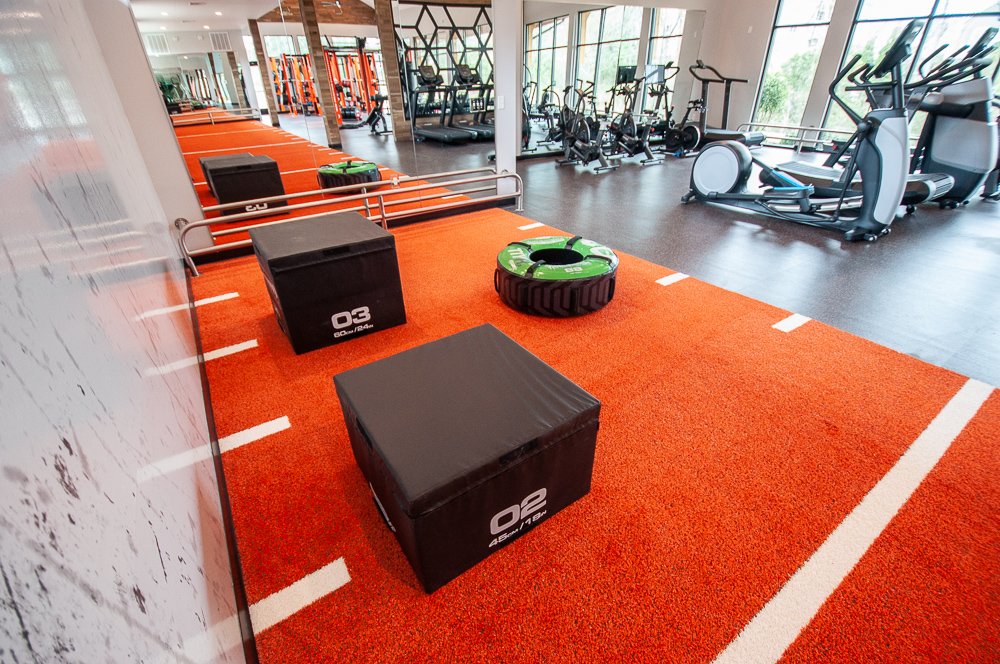
Opening a gym is challenging enough, but operating within a limited space can make the process even more complicated. Whether you’re launching a boutique fitness studio in Paris, a personal training facility in Berlin, a corporate gym in Amsterdam, or a neighborhood fitness center in London, every square meter matters.
Many gym owners assume that larger facilities automatically provide a better member experience. In reality, some of the most successful gyms in Europe operate in relatively compact spaces. The key difference is not the size of the facility—it is how efficiently the space is planned, equipped, and managed.
A well-designed small gym can accommodate more members, support a wider variety of workouts, and generate stronger revenue than a poorly designed facility that is twice the size.
This guide explains practical strategies to maximize space in a small commercial gym while maintaining functionality, member satisfaction, and long-term profitability.
Why Space Efficiency Matters
Rent is often one of the largest operating expenses for a gym business. In major European cities such as Berlin, Amsterdam, Paris, Stockholm, or Copenhagen, commercial property costs continue to rise, making efficient use of space increasingly important. Every square meter that does not contribute to member experience or revenue generation reduces profitability.
A well-planned gym should achieve three goals:
- Maximize member capacity
- Support diverse training styles
- Maintain a comfortable training environment
Finding the right balance between equipment quantity and open space is essential.
Start with Your Business Model
Before purchasing equipment, define how the facility will generate revenue. Different gym concepts require different space strategies.
Personal Training Studio
A personal training studio typically benefits from:
- Open training areas
- Functional equipment
- Minimal machine density
Since sessions are coach-led, fewer machines are required.
Boutique Fitness Studio
Boutique facilities often focus on:
- Group classes
- Functional training
- Multi-purpose spaces
Flexibility is more valuable than equipment volume.
Traditional Commercial Gym
Commercial gyms generally require:
- Cardio equipment
- Strength equipment
- Free weights
However, equipment selection should still prioritize efficiency. Your business model should determine your layout—not the other way around.
Focus on Equipment Utilization
One of the most common mistakes gym owners make is purchasing equipment based on appearance rather than usage.
Ask yourself:
How often will members actually use this machine?
Some machines occupy significant floor space while serving only a small percentage of users. Instead of filling the gym with specialized equipment, prioritize equipment that supports multiple exercises and appeals to a broad range of members. The goal is maximizing utility per square meter.
Choose Multi-Functional Equipment
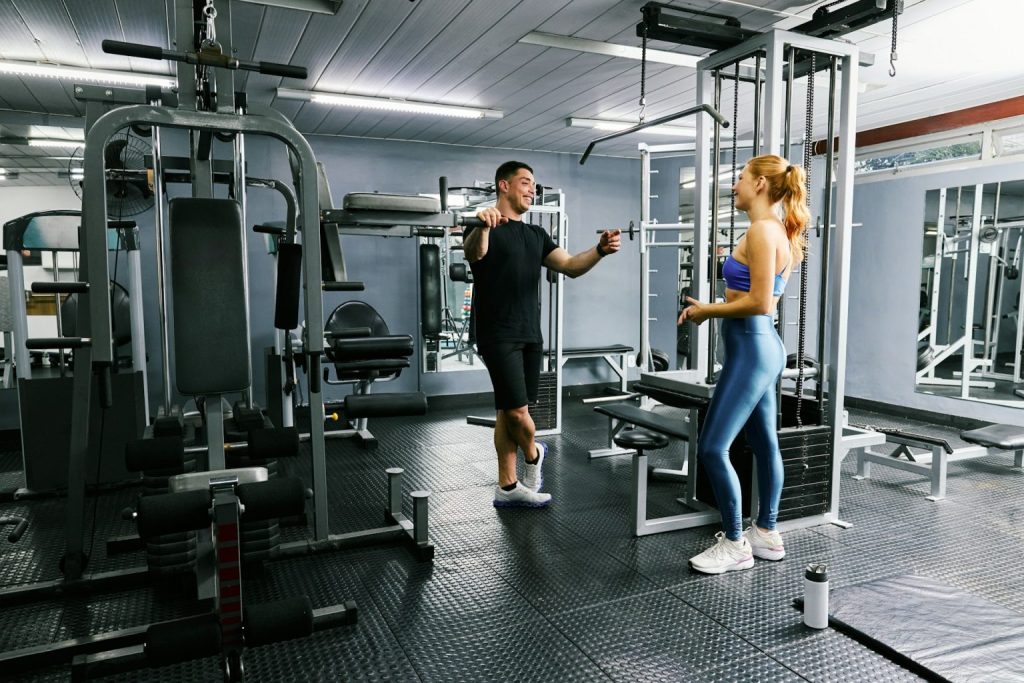
When space is limited, versatility becomes critical.
Functional Trainers
A functional trainer can support:
- Chest exercises
- Back exercises
- Core training
- Rehabilitation work
- Athletic conditioning
One functional trainer can replace several individual machines.
Adjustable Benches
Adjustable benches support dozens of exercises while requiring minimal floor space. They are one of the most valuable investments for smaller facilities.
Functional Rigs
A well-designed functional rig can combine:
- Pull-up stations
- Squat stations
- Suspension training
- Storage solutions
This allows multiple members to train simultaneously without requiring multiple pieces of equipment.
Prioritize Free Weights
Many modern gym owners are reducing machine density and expanding free weight areas. Free weights provide excellent space efficiency because they support a wide range of exercises.
Key equipment includes:
- Dumbbells
- Barbells
- Adjustable benches
- Weight plates
Compared with large machine collections, free weights often provide greater flexibility and higher utilization rates. For many small gyms, free weights become the foundation of the training environment.
Create Multi-Purpose Training Zones
Traditional gym layouts often separate every activity into distinct areas. This approach is not always practical in smaller facilities. Instead, create zones that can serve multiple purposes. For example:
A functional training area can support:
- Personal training
- Small-group classes
- Mobility sessions
- Conditioning workouts
The same floor space generates value throughout the day. This strategy is particularly popular among boutique studios and modern fitness facilities across Europe.
Reduce Unnecessary Cardio Equipment
Many new gym owners purchase too many cardio machines. While cardio equipment remains important, member usage patterns have changed significantly.
Instead of filling the facility with:
- 10 treadmills
- 10 bikes
- 10 ellipticals
Consider a smaller, more balanced selection.
Examples include:
- Treadmills
- Air bikes
- Rowers
- Ski trainers
Modern members increasingly prefer versatile cardio options that support both steady-state and interval training. Reducing excessive cardio equipment can free significant floor space.
Use Vertical Storage Solutions
Floor space is valuable. Whenever possible, move storage vertically.
Examples include:
- Dumbbell racks
- Plate trees
- Wall-mounted storage
- Functional rig storage systems
Vertical storage improves organization while preserving training space. A cleaner gym also creates a more professional appearance.
Design around Member Flow
One overlooked aspect of gym design is movement. Members should be able to move comfortably between training zones.
Poor layouts often create:
- Congestion
- Equipment bottlenecks
- Safety concerns
Before installing equipment, imagine how members will move throughout the facility. The most efficient gyms often feel larger than they actually are because movement pathways are carefully planned.
Invest in Space-Efficient Strength Equipment
Not all strength machines offer the same value. For smaller gyms, prioritize equipment that delivers multiple training options.
Examples include:
Functional Trainers
Support dozens of exercises.
Dual-Function Machines
Allow two exercises within a single footprint.
Multi-Station Systems
Accommodate multiple users simultaneously.
These solutions often provide better value than large collections of single-purpose machines.
Leave Some Space Empty
Many gym owners feel pressured to fill every available corner with equipment. This is usually a mistake.
Open space supports:
- Functional training
- Stretching
- Group classes
- Personal training
Members also perceive spacious facilities as more premium. An overcrowded gym can feel smaller and less inviting. Sometimes the best use of space is not adding another machine.
Think like a Property Developer
Successful gym operators often approach facility planning the same way property developers approach building design. Every square meter should justify its existence.
Ask questions such as:
- Does this equipment generate revenue?
- Does it improve member retention?
- Does it support multiple training styles?
- Is it used regularly?
If the answer is no, that space may be better allocated elsewhere. This mindset often leads to more efficient and profitable facilities.
Common Space Planning Mistakes
Many gym owners make the same errors.
Buying Equipment before Designing the Layout
Layout should always come first.
Choosing Machines Based on Appearance
Popularity and utilization matter more than aesthetics.
Ignoring Functional Training
Functional training areas often generate higher usage rates than large machine sections.
Overcrowding the Facility
More equipment does not always improve the member experience.
Neglecting Storage
Poor organization makes facilities feel smaller and less professional.
Avoiding these mistakes can significantly improve space efficiency.
How Equipment Suppliers Can Help
Many gym owners attempt to design layouts independently. While this can work, experienced equipment suppliers often provide valuable insights.
Professional suppliers can assist with:
- Space planning
- Equipment selection
- Layout optimization
- Installation planning
For smaller facilities, these services can help maximize both functionality and return on investment.
Why Many European Gym Owners Choose Flexible Equipment Solutions
Across Europe, fitness facilities are increasingly moving toward:
- Functional training
- Free weights
- Multi-purpose spaces
- Compact equipment footprints
This trend reflects changing member preferences and the economic realities of commercial real estate. Facilities that maximize flexibility are often better positioned to adapt to future fitness trends.
Frequently Asked Questions
How much space do I need for a small commercial gym?
The required space depends on your business model. A personal training studio may operate effectively in 100–200 m², while a boutique fitness studio typically requires 200–500 m². The key is maximizing functionality rather than focusing solely on size.
What is the best equipment for a small gym?
Multi-functional equipment usually provides the best value. Popular choices include functional trainers, adjustable benches, dumbbells, power racks, kettlebells, and rowing machines because they support multiple exercises while minimizing space requirements.
Should I buy more machines or create more open space?
In most cases, a balance is ideal. Modern gym members increasingly value functional training, stretching, and mobility areas. Overcrowding a facility with machines can reduce usability and make the gym feel smaller.
How can I fit more equipment into a limited space?
Using multi-station systems, functional rigs, vertical storage solutions, and dual-function machines can significantly increase equipment capacity without requiring additional floor space.
Are free weights better than machines for small gyms?
Free weights often provide better space efficiency because they support a wide range of exercises. A well-designed free-weight area can replace multiple single-purpose machines while serving more members.
What type of cardio equipment works best in a small commercial gym?
Instead of installing large numbers of treadmills, many gym owners choose a mix of treadmills, rowers, air bikes, and ski trainers to provide greater workout variety while using space more efficiently.
Can a gym equipment supplier help design my layout?
Yes. Many commercial gym equipment suppliers offer facility planning, equipment recommendations, 3D layouts, and installation support to help maximize available space and improve member flow.
How do I avoid making my gym feel crowded?
Focus on equipment utilization rather than quantity. Leave sufficient walkways, use vertical storage, create multi-purpose training zones, and avoid purchasing equipment that serves only a small percentage of members.
Is a small gym profitable?
Absolutely. Many successful boutique studios, personal training facilities, and functional fitness centers operate in relatively small spaces. Profitability depends more on efficient space utilization, membership retention, and service quality than facility size.
What is the biggest mistake when designing a small commercial gym?
One of the most common mistakes is purchasing equipment before creating a proper floor plan. Successful facilities start with layout planning and member experience, then select equipment that fits those objectives.