
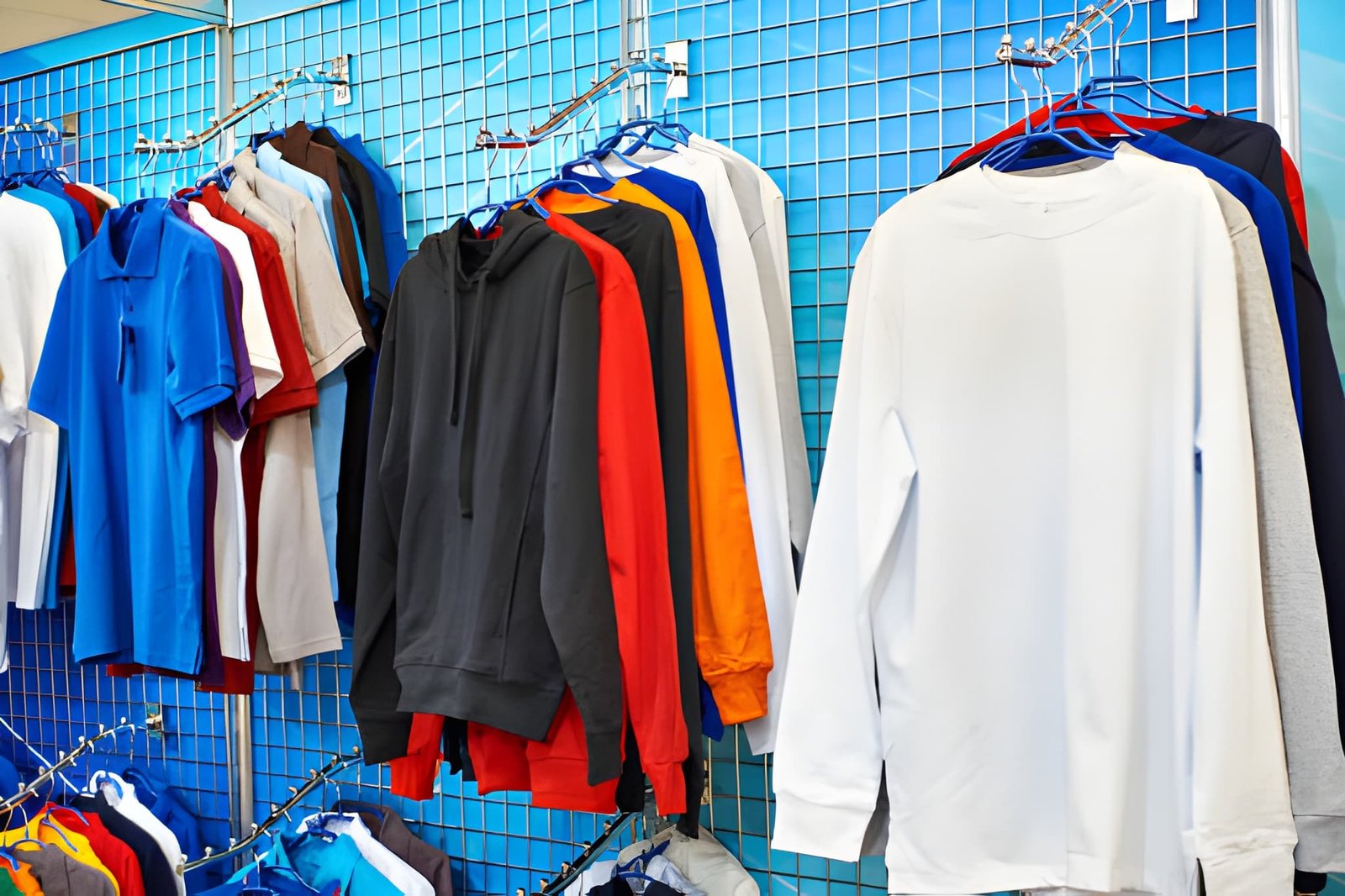
Why Making Your Own Shirts Is So Much Fun
Making shirts at home is one of the coolest hobbies you can start today. Many people love it because it lets them show off their personality through clothes. Also, wearing a shirt you designed yourself feels very special. However, some beginners think this craft is too hard, but it is actually simple once you learn the basics. Therefore, this guide will walk you through every step in easy words. In addition, you will pick up small tricks that save time and money. Because shirts are worn almost every day, they are a great way to share a message, a joke, or a piece of art. Also, you can make shirts as birthday gifts for friends or family members who will treasure them for years. Learning how to make your own shirts opens the door to endless creative ideas. Furthermore, it can turn into a fun side project that earns extra cash. Kids, teens, and adults can all enjoy this activity because the tools today are much easier to use than before. So, grab a notebook, jot down a few ideas, and get ready to dive into the world of custom apparel with a big smile on your face.
Getting Started With Your First Design Idea
Every great shirt starts with a simple idea inside your head. First, think about what you love most, like animals, music, sports, or funny sayings. Then, grab a pencil and draw a rough sketch of your design on paper. However, do not worry if your drawing is not perfect, because you can improve it later. Also, you can use free apps on a phone or computer to clean up the lines. In addition, many websites offer free fonts and clipart that make your design look neat. Because simple designs often look the best, try to keep shapes bold and colors clear. Therefore, avoid adding too many tiny details that are hard to see from far away. Next, pick two or three colors that match well together. Furthermore, check how your design looks on both light and dark shirts before you decide. Also, ask a friend or parent what they think about your idea, because their feedback can help you spot things you missed. Remember, the best shirts tell a small story or show a strong feeling. So, take your time during this step because a good design is the heart of every fun shirt project.
Tools and Supplies You Will Need
Before you begin printing, you need to gather a few basic tools and supplies for your new hobby. Most items are cheap and easy to find at craft stores or online shops. Also, some tools might already be sitting somewhere in your home. However, the list can change a little based on the printing method you pick. Therefore, it helps to know the main things every beginner should have ready before starting. Here are the must-have supplies for your shirt journey:
- Plain cotton shirts in different sizes and colors.
- Fabric paint, ink, or heat transfer sheets for your designs.
- A smooth, clean table that gives you enough room to work.
- Scissors, tape, and a soft pencil for cutting and marking.
- A basic printer or iron if you plan to use transfer paper.
- Gloves and an old apron to keep your clothes clean during messy steps.
Because shirts soak up ink quickly, always keep extra cloth under your work area. In addition, wash and iron the shirt before printing so the surface stays flat and smooth. Also, try your design on an old rag first to see how the ink behaves. Therefore, being prepared helps you avoid messy surprises later.
Picking the Right Shirt and Fabric
The shirt you pick as your base is just as important as the design you put on it. Cotton is the most popular choice because it feels soft and holds ink very well. However, blends of cotton and polyester also work great and often cost less. In addition, these blends dry faster and do not wrinkle as much in daily use. Because thicker fabric lasts longer, look for shirts with a tight weave and a good weight. Also, check the stitching around the neck and sleeves before you buy a big batch. Therefore, a cheap shirt with weak seams can ruin all your hard work in just one wash. Next, think about the color of the fabric. Light shirts like white, cream, or pale blue show bright designs clearly. However, dark shirts need special ink that stands out on black or navy cloth. Also, remember that kids, teens, and adults all wear different shirt sizes, so order a wide range. Furthermore, try to pick brands known for good quality if you plan to sell your creations. Knowing how to make your own shirts means paying close attention to these small details because the fabric shapes the final look, feel, and comfort of every piece.
Different Printing Methods You Can Try
There are many ways to print a design onto a shirt, and each method has its own special feel. Also, the best choice depends on how many shirts you plan to make. However, beginners usually start with the easy options and move up later. Because every method has pros and cons, it is smart to learn a little about each one. Here are some common printing styles you can try at home or through a small shop:
- Heat transfer: You print your design on special paper and iron it firmly onto the shirt.
- Screen printing: Ink is pushed through a mesh screen, which gives a bright and long-lasting finish.
- Direct-to-garment printing: A machine sprays ink right onto the cloth, almost like a regular printer.
- Vinyl cutting: A machine cuts shapes from colored vinyl, and you press them on with heat.
- Hand painting: You use fabric paint and a brush to draw straight on the shirt.
In addition, heat transfer is the cheapest way to begin at home. However, if you want sharp details, vinyl or direct-to-garment printing gives the cleanest result. Therefore, test a few methods before you decide which one suits your style best. Also, many creators mix two methods on one shirt for a bold effect.
Turning Your Hobby Into a Small Business
Once you feel comfortable with the basics, you can turn your skills into a small business. Many young creators sell their shirts online and earn real money from home. However, running a shop takes planning, patience, and a clear goal. Therefore, start by choosing a name that matches your style and is easy to remember. Also, open free accounts on social media to show off your designs every week. In addition, take clear photos in good light so buyers can see every detail. Because first impressions matter, treat your photos and posts like a store window. Next, decide how much to charge for each shirt. Add up your costs, then include a small profit so the business stays strong. Also, offer bundles or discounts for big orders to attract more buyers. Furthermore, ship orders on time and reply to messages in a friendly way. Happy buyers usually tell their friends, which brings more sales without extra effort. Many people buy custom apparel for birthdays, team events, schools, and charity drives. Therefore, join local fairs, online markets, and craft groups to meet new clients. With steady work and fresh ideas, your small hobby can grow into a lovely brand that people trust.
Common Mistakes to Avoid
Even skilled creators make mistakes, so beginners should not feel bad when something goes wrong. Also, every error teaches a useful lesson for the next shirt you design. However, some mistakes are easy to avoid once you know about them. First, many people forget to wash their shirts before printing, which causes the ink to lift after the first laundry. Therefore, always pre-wash so the design sticks for years to come. In addition, some designers use low-quality images that look blurry when printed large. Because sharp art makes a huge difference, use high-resolution files whenever possible. Next, some beginners press the iron or heat machine for too short a time, and the print peels off later. Also, setting the heat too high can burn the fabric and leave an ugly mark. Therefore, read the instructions on your transfer paper and follow them with care. Another common slip is rushing through the drying step, because wet ink smears and ruins clean lines. In addition, skipping a test print often leads to wasted shirts and wasted money. So, treat each project like a small experiment, learn from each result, and soon your shirts will look neat, strong, and ready to wear with pride.
Tips to Make Your Shirts Stand Out
Your shirts should feel fresh and different from what people see in regular stores. Therefore, add small touches that make your work shine in a crowd. First, play with placement, because a design on the sleeve or back can surprise the eye. Also, mix font styles with simple drawings for a balanced look. In addition, try new color combos that match trends but still feel like you. Because trends change fast, keep an eye on social media for fresh ideas every month. However, do not copy other artists, since original work always wins more fans. Next, add a small logo or signature to each shirt, which builds a sense of pride and brand. Also, pack your shirts in cute bags with a thank-you note, because buyers love a personal touch. Furthermore, ask friends to wear your shirts in photos so word spreads naturally. Seasonal themes work well too, like cozy winter prints or bright summer art. Therefore, plan a few designs ahead of holidays such as birthdays, school events, or sports finals. Finally, keep a small notebook near your bed, because great ideas often pop up when you relax. With these habits, your custom apparel will stand out every time.
Final Words
Starting this craft is easier than most people think, and the joy you get from wearing your own art is hard to beat. Also, the skills you learn will grow as you try new tools, fabrics, and ideas. However, progress takes a little time, so be kind to yourself when the first few shirts are not perfect. Because every expert was once a beginner, small steps today lead to big wins tomorrow. Therefore, keep practicing, ask questions, and enjoy every part of the journey. In addition, share your work with friends and family, since their support can lift your mood on slow days. Many beginners feel nervous at first, but they soon find that making shirts becomes a calm and happy hobby. Also, if you plan to sell, remember that honest service and fresh ideas build a strong name over time. Learning how to make your own shirts is also a great way to save money on gifts and express who you truly are. So, gather your supplies, pick a cozy spot, and let your creative side take the lead. Your very first custom apparel piece is just a few simple steps away, and the world is ready to see it.
