

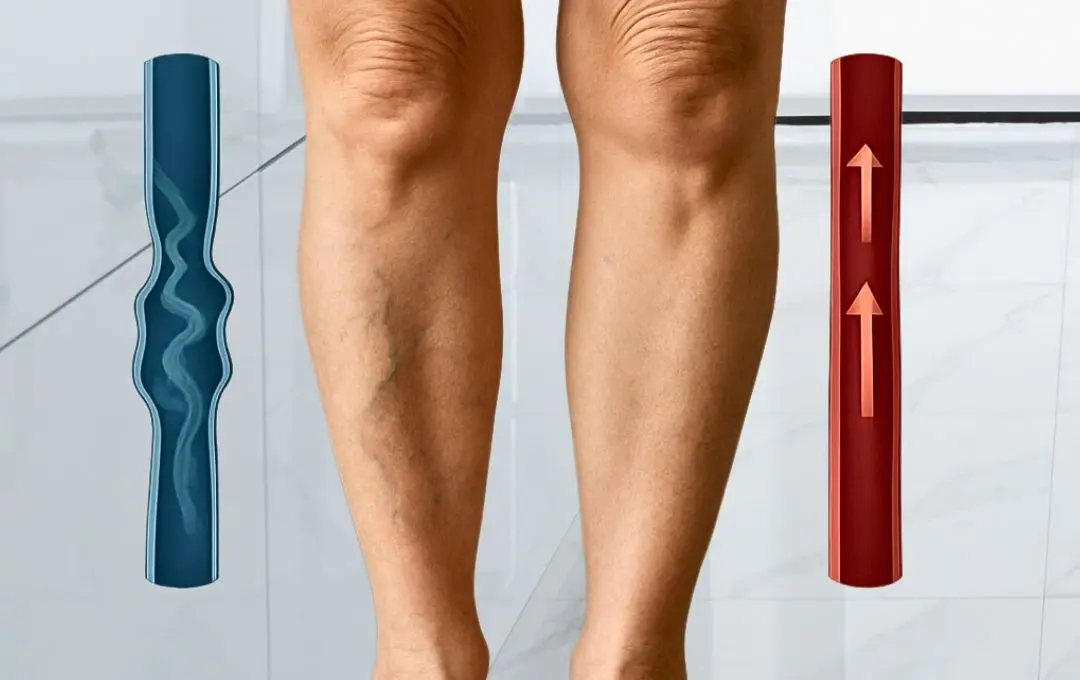
Poor circulation in the legs is more common than you may think—and it can impact everything from your energy levels to your ability to stay active. Whether you’re feeling tingling, numbness, cramping, or just general fatigue in your legs, improving circulation can make a significant difference in your quality of life.
Here’s how to improve circulation in the legs and promote long-term vascular health.
1. Get Moving Throughout the Day
One of the most effective ways to boost leg circulation is through regular movement. Sitting or standing for extended periods can cause blood to pool in your legs, especially if you have a desk job or travel frequently.
Try this:
- Take a 5-minute walk every hour
- Stretch your calves and thighs regularly
- Incorporate low-impact exercises like walking, swimming, or cycling
2. Elevate Your Legs
Raising your legs above heart level for 15–20 minutes a few times a day can help blood flow back toward the heart, reducing swelling and discomfort.
Tip: Use a pillow under your legs when lying down, or prop them up against a wall for a quick circulation boost.
3. Wear Compression Stockings
Compression socks or stockings gently squeeze your legs to help improve blood flow. They’re especially helpful for people with varicose veins, swelling, or those who sit or stand for long periods.
Look for: Medical-grade compression garments that match your needs—available at most pharmacies or through a vein specialist.
4. Stay Hydrated and Eat a Circulation-Friendly Diet
What you eat (and drink) plays a role in vascular health. Dehydration can make blood thicker and harder to circulate, while a high-sodium diet may lead to swelling.
Best foods for circulation:
- Leafy greens
- Fatty fish (like salmon)
- Berries
- Citrus fruits
- Nuts and seeds
- Spices like turmeric and cayenne pepper
5. Quit Smoking
Smoking damages blood vessels and directly impairs circulation. Quitting is one of the most powerful steps you can take to improve leg circulation and overall cardiovascular health.
6. Check for Underlying Conditions
Sometimes, poor circulation in the legs may be due to a more serious condition like chronic venous insufficiency (CVI) or peripheral artery disease (PAD). If symptoms like leg pain, cramping, or varicose veins persist, it may be time to see a specialist.
When to Seek Help for Poor Circulation in the Legs
If lifestyle changes aren’t improving your symptoms—or if you experience swelling, pain, or visible veins—it’s important to speak with a vein specialist. Non-surgical treatment options are available that can improve circulation and prevent complications.
Don’t ignore the signs of poor circulation. Your legs—and your overall health—depend on it.