
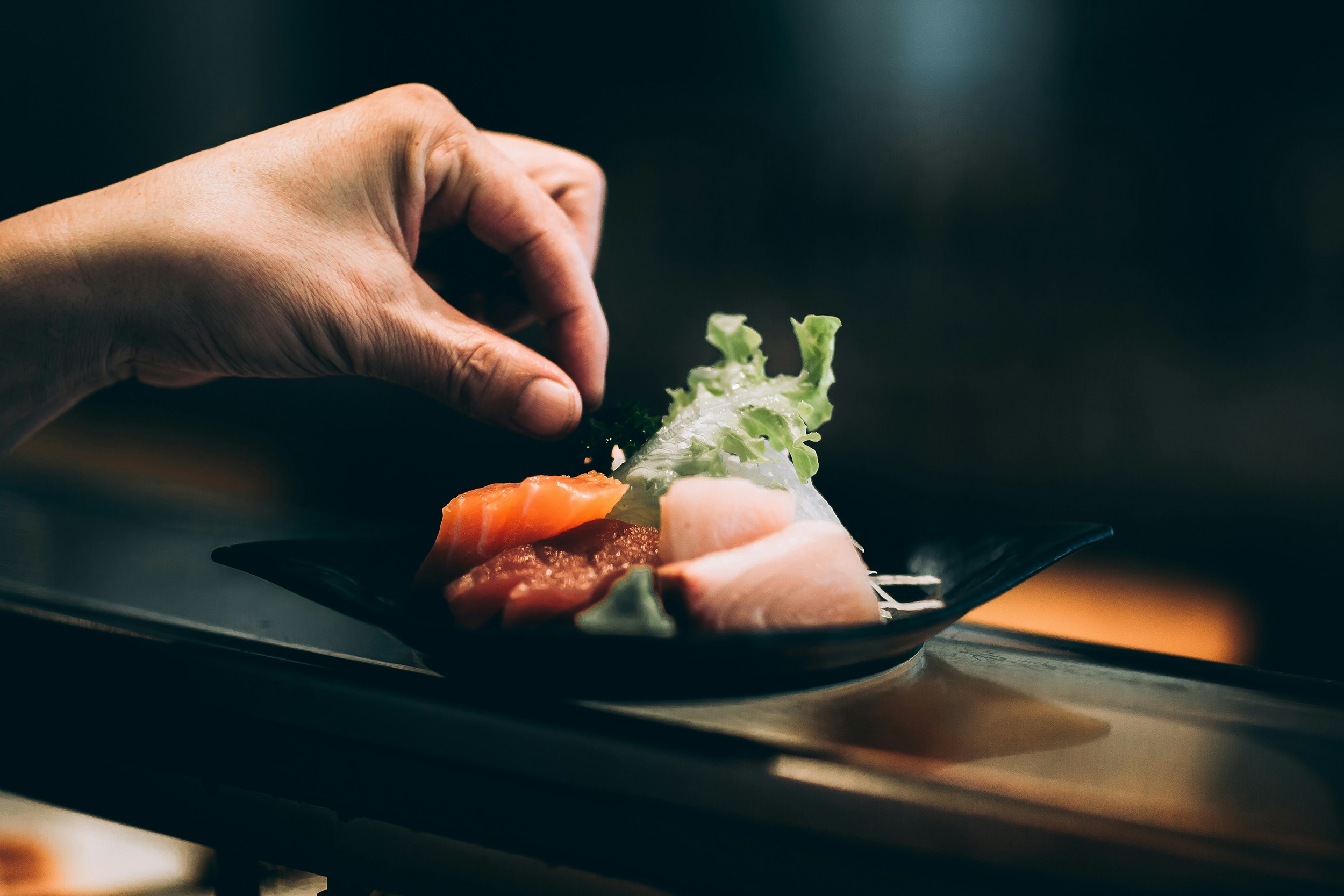
Fine dining is often misunderstood as simply expensive food served on elegant plates in luxurious surroundings. While that description is not entirely wrong, it barely scratches the surface of what fine dining truly represents. At its core, fine dining is an immersive art form—one that blends culinary mastery, sensory design, hospitality, and storytelling into a single, carefully orchestrated experience. It is not just about eating; it is about engaging with food and environment in a way that elevates both.
A Philosophy, Not Just a Meal
Fine dining begins long before the first dish arrives at the table. It is rooted in a philosophy of intention and precision. Every element—from the menu design to the placement of cutlery—is chosen with purpose. Chefs and restaurant teams treat the dining experience as a narrative, where each course plays a role in unfolding a larger story.
Unlike casual dining, where convenience and speed are often priorities, fine dining emphasizes patience and progression. A meal may span several hours, allowing guests to gradually move through textures, flavors, and moods. This pacing is not accidental; it is designed to heighten anticipation and appreciation.
The Chef as an Artist
In fine dining, the chef is not simply a cook but an artist and storyteller. Their medium is food, but their canvas extends far beyond the plate. Through techniques, ingredients, and presentation, they communicate ideas, memories, and cultural influences.
Many fine dining chefs draw inspiration from nature, personal history, or regional traditions. A dish might reflect a childhood memory of a forest walk, or reinterpret a classic recipe using modern techniques. This creative expression transforms food into something deeply personal and emotionally resonant.
Precision is essential. Even the smallest detail—such as the temperature of a sauce or the angle of a garnish—can alter the entire experience. This pursuit of perfection is what separates fine dining from other culinary styles.
The Role of Ingredients
At the heart of fine dining is exceptional ingredients. However, rarity alone does not define quality. What matters more is how ingredients are sourced, handled, and transformed.
Many fine dining restaurants prioritize seasonal and locally sourced produce. This approach ensures peak freshness while also reflecting a commitment to sustainability. Ingredients are often treated with respect rather than over-manipulation. A perfectly ripe tomato, for example, may be showcased in a dish with minimal alteration to highlight its natural flavor.
Luxury ingredients are sometimes used sparingly to create contrast and depth, such as Ossetra caviar, which is prized for its delicate, nutty flavor and refined texture. When incorporated thoughtfully, such ingredients do not dominate a dish but elevate it, adding a layer of sophistication and complexity that enhances the overall composition.
At the same time, the key in fine dining is balance—each ingredient must serve a purpose within the dish’s structure, contributing to harmony rather than excess.
The Science Behind the Sensation
Fine dining is as much science as it is art. Modern culinary techniques often rely on principles of chemistry and physics to transform ingredients in unexpected ways. Methods such as fermentation, sous-vide cooking, and emulsification allow chefs to manipulate texture, flavor intensity, and aroma with precision.
However, science in fine dining is never used for its own sake. Instead, it enhances creativity. A dish might feature a foam that intensifies aroma, or a slow-cooked protein that achieves perfect tenderness. These techniques expand what is possible in flavor and texture, allowing chefs to surprise and delight diners.
Atmosphere and Ambience
The environment in fine dining is carefully curated to support the culinary experience. Lighting, music, interior design, and even acoustics are designed to create a specific mood. The goal is not just comfort, but immersion.
Soft lighting may encourage intimacy and focus, while minimalist décor ensures that attention remains on the food. Tables are spaced thoughtfully to provide privacy, and every detail—from glassware to napkin texture—is selected to align with the restaurant’s identity.
This attention to ambience transforms the meal into a multi-sensory experience. Guests are not just tasting food; they are experiencing a carefully constructed world.
The Ritual of Service
Service in fine dining is an art form in itself. Waitstaff are highly trained professionals who understand both technical precision and emotional intelligence. Their role goes far beyond delivering food; they guide the entire experience.
Timing is crucial. Dishes must arrive at the perfect moment, neither rushed nor delayed. Servers must anticipate needs without being intrusive, creating a sense of effortless flow throughout the meal.
There is also a ritualistic quality to service. Plates are presented with intention, often accompanied by brief explanations that provide context without overwhelming the guest. This interaction deepens appreciation and fosters a connection between diner and dish.
The Power of Presentation
In fine dining, presentation is not decoration—it is communication. The visual composition of a dish is the first layer of experience. Before a single bite is taken, diners interpret color, structure, and arrangement.
Plating often draws from principles of visual art, such as balance, contrast, and negative space. A dish might resemble a painting, with carefully placed elements guiding the eye across the plate.
However, presentation is never arbitrary. It is designed to enhance flavor perception. The arrangement of ingredients can influence how flavors are experienced in sequence, ensuring that each bite delivers a specific progression of taste.
Emotional Connection Through Food
One of the most powerful aspects of fine dining is its ability to evoke emotion. A well-crafted dish can trigger nostalgia, curiosity, or even surprise. This emotional dimension is what transforms a meal into a memorable experience.
Chefs often aim to create moments of discovery. A hidden flavor, an unexpected texture, or a surprising combination can shift a diner’s perception and create a lasting impression. These moments are carefully engineered but feel spontaneous, adding to the magic of the experience.
Fine Dining as Cultural Expression
Fine dining is also a reflection of culture and identity. Many restaurants use their menus to explore heritage, reinterpret tradition, or engage with global influences. This makes fine dining not just personal, but cultural.
A tasting menu might take diners on a journey through a region’s culinary history, or reinterpret traditional dishes through modern techniques. In this way, fine dining becomes a form of cultural storytelling, preserving tradition while also pushing boundaries.
Conclusion: Beyond the Plate
Fine dining is far more than an elevated meal. It is a carefully orchestrated experience that engages all the senses and appeals to both intellect and emotion. From the artistry of the chef to the precision of service, every detail contributes to a larger narrative.
At its best, fine dining transcends food entirely. It becomes a moment of connection—between chef and guest, tradition and innovation, simplicity and complexity. It reminds us that eating is not just a necessity, but an experience that can be deeply meaningful when approached with intention.
In a world that often prioritizes speed and convenience, fine dining offers something rare: the opportunity to slow down, observe, and fully experience the art of being present at the table.