
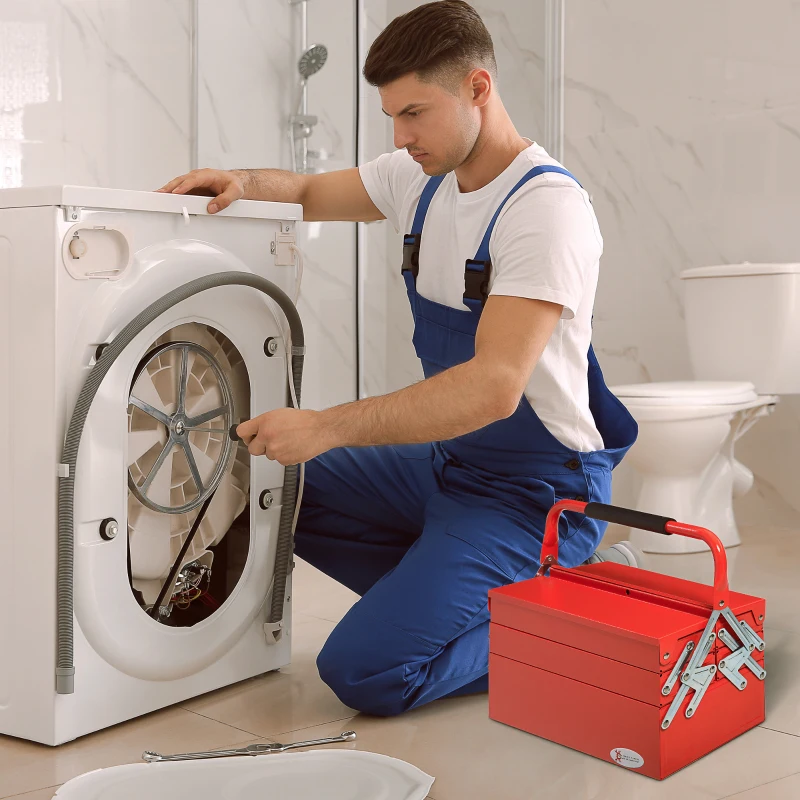
Selecting the right toolbox is essential for ensuring your tools are well-organized, protected, and easy to access. Whether you’re a DIY enthusiast or a professional tradesperson, choosing the perfect toolbox involves considering several factors. The right toolbox should complement your work style and meet the demands of your specific projects. In this article, we’ll break down the key considerations when choosing a toolbox: materials, size, portability, and durability, helping you make an informed decision.
1. Understanding Your Needs
Before choosing a toolbox, it’s crucial to understand the type of tools you need to store and the environments in which you’ll use them.
Assessing the Tools You Need to Store
- Hand Tools: If your collection consists mostly of hand tools like hammers, screwdrivers, and pliers, a simple, smaller toolbox will likely suffice. Hand tools are typically lightweight and don’t require a heavy-duty storage solution.
- Power Tools: Power tools like drills, saws, or sanders will require a sturdier toolbox with more space. These tools are often larger and heavier, necessitating a toolbox that can withstand the additional weight and bulk.
- Small Accessories: For screws, nails, and other small items, look for toolboxes that offer small compartments or inserts for organization. A toolbox with removable trays or dividers can be very helpful for keeping these items in check.
Identifying Where You’ll Be Using the Toolbox
- Workshop Use: If you’ll be using your toolbox in a fixed location like a workshop, size and durability may take precedence. You won’t need to worry too much about portability, but you’ll want something that can hold a variety of tools securely.
- Home Use: For casual use around the home, a medium-sized toolbox with sufficient storage for basic tools will do the job. Consider the ease of use, as you’ll want something that’s easy to open and access frequently.
- On-the-Go: If you need to carry tools to different job sites or locations, portability will be a key factor in your decision-making. A compact toolbox with easy-to-carry features, such as wheels or a strong handle, will be beneficial.
2. Materials of the Toolbox
The material of the toolbox plays a significant role in its overall performance, including its durability, weight, and ability to protect your tools.
Plastic Toolboxes
- Lightweight: Plastic toolboxes are generally the lightest option, making them easy to carry.
- Affordable: They are budget-friendly and ideal for light-duty use, such as storing hand tools and small items.
- Best For: Home use or DIY projects where portability and ease of use are more important than heavy-duty protection.
Metal Toolboxes
- More Durable and Secure: Metal toolboxes, particularly those made from steel, are much more robust than plastic models. They offer greater security for expensive or delicate tools.
- Ideal For: Heavy-duty use in environments where durability and protection are paramount, such as professional trades or construction work.
Steel Toolboxes
- High Durability: Steel toolboxes are incredibly strong and resistant to damage. They are the best choice for storing heavy-duty tools that need extra protection.
- Corrosion-Resistant: Steel toolboxes often come with a protective coating to prevent rust and corrosion, which is essential for long-term use, especially in outdoor environments.
Aluminum Toolboxes
- Lightweight Yet Strong: Aluminum toolboxes are a popular choice for portable needs. They’re much lighter than steel but still offer strong protection for your tools.
- Good For: Those who need a durable but light toolbox for traveling or working on-the-go. They are not as tough as steel, but they balance strength and portability effectively.
3. Size Considerations
Toolboxes come in various sizes, from small, compact options to large, industrial-sized models. Choosing the right size depends on the number and type of tools you need to store.
Small Toolboxes
- Best For: Limited tool storage, such as for hand tools or a small selection of power tools.
- Advantages: They’re portable and easy to store, making them ideal for basic DIY projects or occasional use.
- Limitations: Not suitable for larger tools or for anyone who needs to store a variety of equipment.
Medium-Sized Toolboxes
- Best For: Most common DIYers and homeowners who have a moderate number of tools to store.
- Advantages: Offers a balance between portability and storage space, making it perfect for projects that require multiple tools without being too bulky.
- Limitations: Might not have enough space for larger power tools or multiple tool types.
Large Toolboxes
- Best For: Professionals or people with extensive tool collections.
- Advantages: Provides ample storage for a wide range of tools, including large power tools and accessories.
- Limitations: They are heavier and bulkier, making them less portable and more difficult to transport.
Choosing the Right Size
When deciding on the size, consider the number of tools you need to store and whether you plan to take the toolbox to different locations. Larger toolboxes might seem appealing, but they can become cumbersome to transport. It’s often best to go with a size that offers enough space without overdoing it.
4. Portability
Portability is an important feature, especially if you plan on carrying your toolbox from one job to another. Whether you’re on a worksite or moving it around at home, the right toolbox should suit your needs for easy transportation.
Compact and Lightweight Designs
- Best For: People who only need to carry a small number of tools and prefer a lightweight option.
- Advantages: Easy to carry and maneuver, making them perfect for small jobs or when tools need to be frequently moved.
Toolboxes with Wheels
- Best For: Larger tool collections or those who need to transport heavy tools.
- Advantages: These toolboxes often feature heavy-duty wheels and handles, making them easy to roll from one location to another.
- Limitations: They are typically bulkier and less suitable for smaller, portable needs.
Handles and Latches
- Ergonomic Handles: Look for toolboxes with comfortable, well-positioned handles to ease carrying.
- Reliable Latches: Sturdy, secure latches are essential to ensure your toolbox stays closed during transport.
How Portability Affects Your Workflow
Portability matters most when you’re working in different locations or need quick access to your tools. A toolbox that is too heavy or difficult to move can slow you down and impact your efficiency.
5. Durability
Durability is essential for ensuring your toolbox lasts and continues to protect your tools over time.
Heavy-Duty Construction
Look for toolboxes with reinforced corners and thick walls that offer added protection. Reinforced designs can resist the impacts that occur in harsh work environments, preventing your toolbox from breaking or warping.
Impact Resistance
Impact-resistant toolboxes are designed to withstand drops or rough handling. This feature is especially important if you work in environments where your toolbox is likely to be subjected to physical stress.
Weather Resistance
If you plan to store tools outdoors or in a workshop with fluctuating temperatures, opt for a toolbox that offers weather resistance. Look for features like waterproof seals or rust-resistant coatings to protect your tools from moisture and dust.
6. Additional Features to Consider
Beyond the basic materials, size, portability, and durability, several features can enhance the functionality of your toolbox.
Interior Organization
Look for toolboxes with removable trays, dividers, and small compartments to help organize your tools efficiently. A well-organized toolbox ensures you can find what you need quickly, reducing time spent searching for the right tool.
Security Features
For high-value tools, consider toolboxes with locking mechanisms to provide added security. A secure closure will protect your tools from theft, particularly in a work environment where tools might be left unattended.
Toolbox Accessories
Some toolboxes come with additional features, such as foam inserts, to help cushion delicate tools. Customizable organizer trays can also be added for extra convenience.
7. Budget vs. Quality
When purchasing a toolbox, it’s important to strike a balance between quality and cost. While budget-friendly options may seem appealing, they often lack the durability and features that high-end toolboxes provide.
- Investing in Quality: A high-quality toolbox may cost more upfront, but its durability and security can save you money in the long run by protecting your tools better and lasting longer.
- Cost-Effective Options: If you’re on a tight budget, there are still good-quality toolboxes available. Just ensure they meet your basic needs in terms of materials, size, and durability.
Make the Right Toolbox Choice for Long-Term Value
Choosing the right toolbox is all about understanding your specific needs, from the tools you need to store to the environments you’ll be using it in. With a clear idea of your requirements, you can select the perfect toolbox based on materials, size, portability, and durability. Remember, investing in a higher-quality toolbox can pay off in the long run by ensuring your tools are protected and easily accessible. Aosom offers a range of toolboxes that are designed to meet various needs, providing both affordability and quality. Before making your decision, take the time to assess your tool collection and work environment to choose a toolbox that’s perfect for you.