
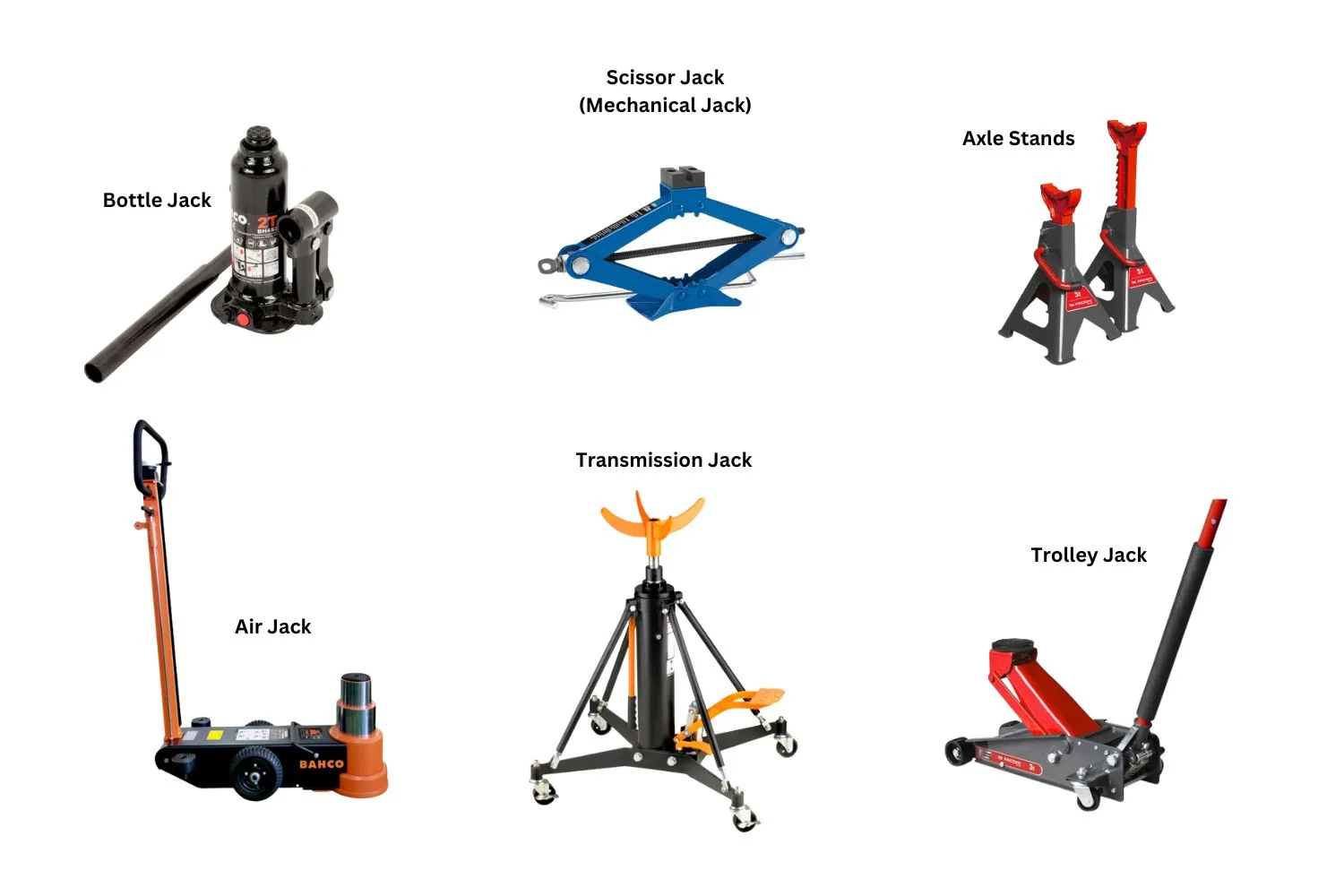
A hydraulic jack is one of the most valuable tools for lifting heavy vehicles, machinery, and equipment safely and efficiently. Whether you are a professional mechanic, a construction worker, or a DIY enthusiast, selecting the right hydraulic jack is essential for ensuring both performance and safety. With various models available, understanding their features and intended uses can help you make an informed decision.
The best choice depends on factors such as lifting capacity, working height, portability, and the type of equipment you plan to lift. Investing in a quality Hydraulic Jack designed for your specific needs can improve efficiency, reduce physical effort, and provide dependable performance for years of regular use.
Understand Your Lifting Requirements
Before purchasing a hydraulic jack, identify what you intend to lift. Different vehicles and equipment require different lifting capacities and jack designs.
Consider:
- Passenger cars
- SUVs
- Pickup trucks
- Heavy-duty commercial vehicles
- Agricultural machinery
- Industrial equipment
Selecting a jack that matches your typical workload helps ensure safe and efficient operation.
Check the Lifting Capacity
One of the most important specifications is the maximum lifting capacity. Hydraulic jacks are available in a wide range of weight ratings.
As a general guideline:
- 2-ton jacks are suitable for most compact cars.
- 3-ton jacks work well for sedans, SUVs, and light trucks.
- 5-ton and higher models are designed for commercial vehicles and industrial equipment.
Always choose a jack with a capacity that exceeds the weight of the load you intend to lift.
Consider Minimum and Maximum Lift Height
Lift height determines whether the jack can fit beneath your vehicle and raise it high enough for maintenance.
Low-profile floor jacks are ideal for sports cars and vehicles with limited ground clearance. Taller bottle jacks are better suited for trucks, trailers, and heavy equipment that require greater lifting height.
Matching the lifting range to your equipment prevents operational difficulties.
Choose the Right Type of Hydraulic Jack
Different hydraulic jacks are designed for different applications.
Bottle Jacks
Bottle jacks offer high lifting capacity in a compact design. They are commonly used for:
- Trucks
- Heavy-duty vehicles
- Agricultural equipment
- Industrial machinery
Floor Jacks
Floor jacks provide excellent stability and are widely used in automotive repair.
They are ideal for:
- Passenger vehicles
- Routine maintenance
- Tire replacement
- Brake servicing
Toe Jacks
Toe jacks are designed for machinery with very low ground clearance and are commonly found in industrial environments.
Air Hydraulic Jacks
Air hydraulic jacks use compressed air to speed up lifting operations, making them suitable for professional workshops with frequent lifting tasks.
Evaluate Build Quality
A well-built hydraulic jack provides greater reliability and a longer service life.
Look for features such as:
- Heavy-duty steel construction
- Corrosion-resistant finish
- Reinforced lifting saddle
- High-quality hydraulic seals
- Durable wheels for floor jacks
Quality construction reduces maintenance needs and improves overall safety.
Consider Portability
If you frequently transport your jack between job sites or keep one in your vehicle for emergencies, portability becomes an important factor.
Compact bottle jacks are easy to carry and store, while larger floor jacks offer greater convenience during workshop use but require more storage space.
Choose a design that suits your work environment.
Look for Safety Features
Safety should always be a priority when selecting lifting equipment.
Important features include:
- Overload protection valves
- Stable lifting base
- Controlled lowering mechanism
- Secure lifting saddle
- Durable hydraulic system
These features help reduce the risk of accidents during lifting operations.
Think About Frequency of Use
Your intended usage should influence your purchasing decision.
For occasional home maintenance, a standard hydraulic jack with moderate lifting capacity is usually sufficient.
For daily professional use, investing in a heavy-duty model with premium construction can provide better long-term value and reliability.
Maintenance Requirements
Proper maintenance helps maximize performance and extend the lifespan of your hydraulic jack.
Regular maintenance includes:
- Checking hydraulic fluid levels
- Inspecting for leaks
- Cleaning after each use
- Lubricating moving parts
- Storing the jack in a dry location
Routine inspections also help identify worn components before they become safety concerns.
Common Mistakes to Avoid
When choosing a hydraulic jack, avoid these common errors:
- Purchasing a jack with insufficient lifting capacity
- Ignoring minimum lift height requirements
- Choosing based only on price
- Overlooking safety certifications
- Failing to inspect build quality
Taking the time to evaluate these factors leads to a safer and more effective purchase.
Conclusion
Choosing the right hydraulic jack involves more than simply selecting the highest lifting capacity. The ideal model should match the weight of your equipment, provide the appropriate lifting range, fit your working environment, and include reliable safety features.
By considering lifting capacity, jack type, portability, build quality, and maintenance requirements, you can select a hydraulic jack that delivers dependable performance, enhances workplace safety, and meets your lifting needs for years to come.