

The kitchen is the heart of every home—a space where meals are prepared, families gather, and memories are made. It’s also one of the most significant contributors to your home’s overall value. So when it comes time to remodel, every decision matters, and few choices carry as much visual weight as the color of your cupboards. For many homeowners, selecting the right cabinet color becomes an overwhelming challenge. You want something that looks stunning, complements your lifestyle, fits your budget, and won’t feel dated in five years. Color psychology plays a real role here: the hues surrounding you each morning influence your mood, energy, and even appetite. Meanwhile, design trends shift constantly, making it difficult to distinguish between a fleeting fad and a timeless choice. This guide cuts through the confusion by walking you through the key factors that influence cupboard color selection, showcasing popular and enduring color options, exploring affordable cabinet solutions, and outlining steps for achieving a fully customized kitchen that feels uniquely yours. Whether you’re planning a complete renovation or a simple refresh, you’ll find actionable advice to make confident decisions.
Understanding the Impact of Cupboard Color on Your Kitchen Design
Your cupboard color is arguably the single most dominant visual element in your kitchen. Since cabinets typically cover 40 to 50 percent of visible wall space, the shade you choose essentially dictates the room’s entire personality. A soft white or cream palette can make a compact kitchen feel open and airy, visually pushing walls outward and reflecting available light. Conversely, deep charcoals or navy blues create a sense of sophistication and intimacy, anchoring the space with dramatic weight. Beyond aesthetics, color influences how well your cabinets interact with surrounding elements. A well-chosen hue ties together countertops, backsplash tiles, flooring, and appliances into a cohesive design story rather than a collection of disconnected choices. Color psychology reinforces these effects in practical ways—warm tones like terracotta or golden oak can stimulate appetite and conversation, making them natural fits for kitchens where families linger over meals. Cool tones like sage green or slate gray promote calm focus, ideal for homeowners who view the kitchen as a workspace. Understanding these dynamics empowers you to approach your remodel with intention, ensuring the finished space not only looks beautiful but genuinely supports how you live and cook every day.
Key Factors to Consider When Choosing Kitchen Cabinet Color
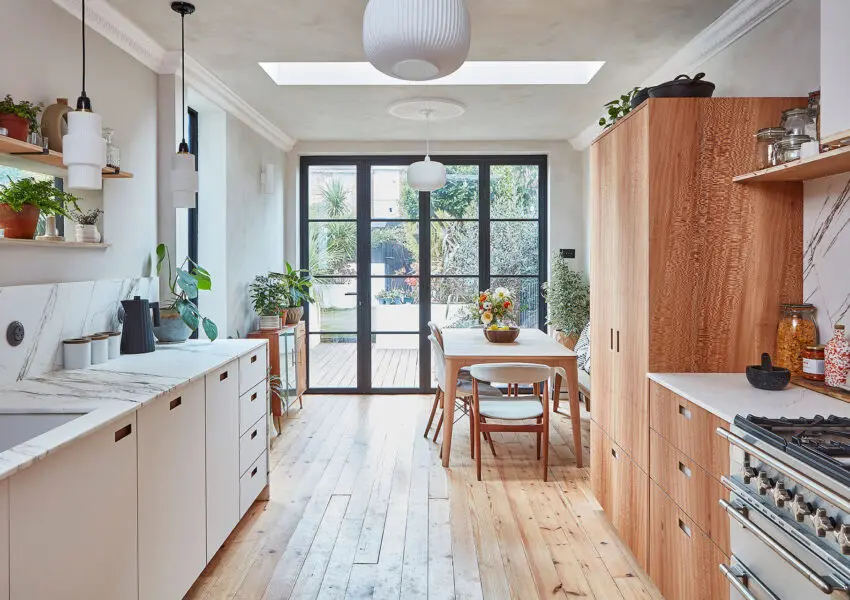
Choosing the right color for your kitchen cabinets requires more than browsing Pinterest boards—it demands a thoughtful evaluation of several interconnected factors. Start with lighting: the same shade of gray can appear warm and inviting under soft incandescent bulbs but cold and sterile beneath fluorescent tubes. Natural light shifts throughout the day, meaning a color that looks perfect at noon may feel entirely different by evening. Next, consider your existing decor and architectural style. A farmhouse kitchen with exposed beams calls for different tones than a sleek urban loft with concrete floors. Your cabinet material matters too—solid wood grain peeks through lighter stains beautifully, while MDF panels perform better with opaque painted finishes. Lifestyle and maintenance preferences deserve equal attention. Families with young children might avoid glossy black surfaces that reveal every fingerprint, while avid cooks may steer clear of pure white that shows grease splatter. Finally, weigh trending colors against timeless appeal. A color that dominates social media today could feel dated within three years, whereas classic neutrals and natural wood tones have proven staying power across decades. Balancing these factors positions you to select kitchen cabinets that deliver both immediate satisfaction and lasting value, setting the foundation for customized solutions that truly work.
Assessing Your Kitchen’s Lighting and Space
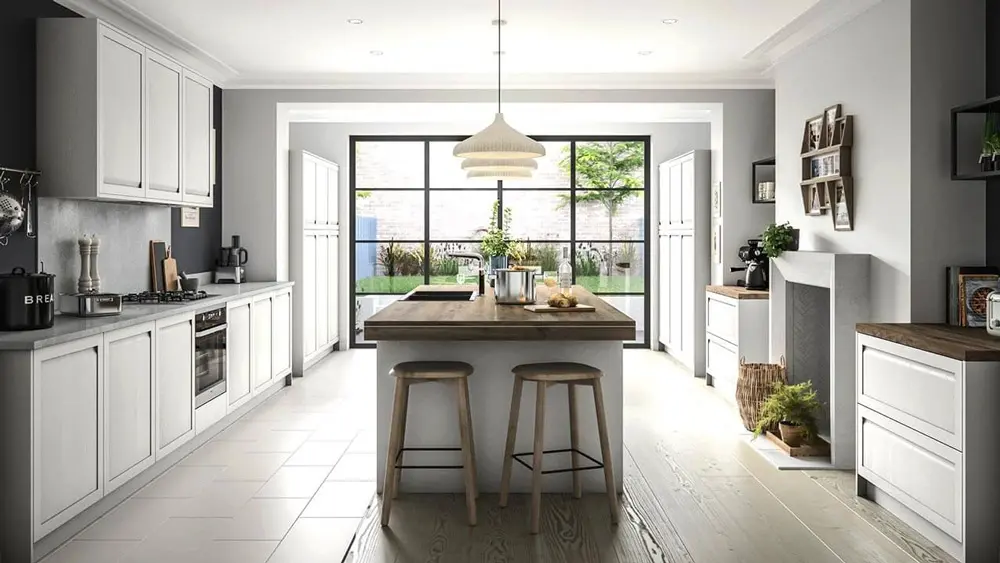
Begin by identifying your light sources—count windows, note their orientation, and catalog your fixture types. South-facing kitchens receive warm, abundant daylight that flatters cooler cabinet colors, while north-facing rooms benefit from warmer hues that counteract blue-toned natural light. For smaller kitchens, lighter shades reflect light and create an illusion of spaciousness. Always test paint samples or finish swatches directly on your cabinet doors, observing them at morning, midday, and evening. Tape large samples in place for at least 48 hours before committing, because colors shift dramatically between a tiny swatch and a full cabinet run.
Matching Color with Your Home’s Style and Personal Taste
Your cabinet color should feel like a natural extension of your home’s overall design language. Modern minimalist spaces thrive with flat-panel doors in matte whites or soft charcoals, while traditional homes welcome raised-panel cabinetry in rich creams or warm wood stains. If your style falls somewhere between, consider two-tone approaches—darker lowers grounded by lighter uppers—for a customized look that bridges aesthetics. Ultimately, trust your instincts alongside design principles; you’ll spend years in this kitchen, so the color should resonate with your personality, not just a trend report.
Popular and Timeless Kitchen Cabinet Colors for Inspiration
When browsing options for your kitchen cabinets, it helps to understand which colors have proven their staying power and which newer trends show genuine longevity. Neutral palettes remain the backbone of kitchen design for good reason—they adapt effortlessly as you swap out accessories, update hardware, or change wall colors over the years. White kitchens have dominated for over a decade, evolving from stark bright whites to softer, warmer variations that feel less clinical. Gray continues to hold strong, offering a sophisticated middle ground between white’s airiness and darker dramatic tones. Beyond neutrals, nature-inspired hues have emerged as serious contenders for lasting appeal. Deep navy blue cabinets evoke a classic, almost nautical elegance that pairs beautifully with brass hardware and marble countertops. Forest green and sage bring organic warmth, connecting indoor spaces to the natural world outside your window. For homeowners drawn to warmth without committing to bold color, natural wood finishes are experiencing a major resurgence—light oak, walnut, and hickory showcase grain patterns that add texture and character no paint color can replicate. Two-tone kitchens, combining a neutral upper with a colored or wood-toned lower cabinet, offer a way to experiment without overwhelming the room. The key is choosing colors that genuinely excite you while considering how they’ll interact with your countertops, flooring, and daily life over the long term.
Neutral Tones: Versatility and Modern Appeal
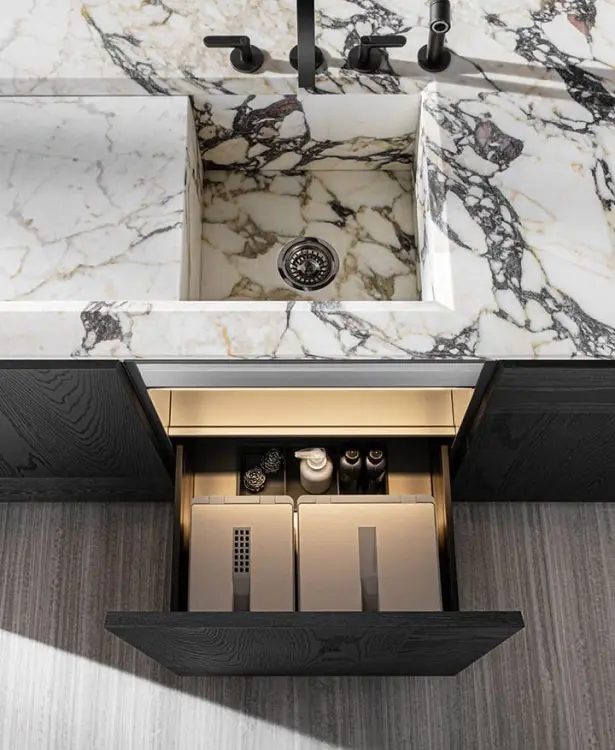
Whites, beiges, and grays earn their popularity through sheer adaptability. A creamy white kitchen serves as a blank canvas that accommodates virtually any decorating shift you make in the future, which explains why neutral cabinets consistently boost resale value. Greige—a blend of gray and beige—has become particularly sought after for its ability to feel both modern and warm simultaneously. These tones work across every design style, from Scandinavian minimalism to transitional elegance, making them a safe yet stylish foundation for any remodel.
Bold Colors: Making a Statement with Your Cupboards
Vibrant cabinet colors transform your kitchen into a space with undeniable personality. Deep emerald green, rich navy, or even matte black cupboards create striking focal points that anchor the entire room. The secret to success with bold choices lies in balance—pair saturated cabinet colors with lighter countertops, neutral walls, and natural materials to prevent the space from feeling heavy. Consider applying bold hues to an island or lower cabinets only, keeping uppers light to maintain visual breathing room while still expressing your unique style.
Finding Affordable Kitchen Cabinets Without Compromising Quality
A stunning kitchen transformation doesn’t require draining your savings account. The smartest approach starts with an honest assessment of what you actually need—full cabinet replacement isn’t always necessary. If your existing cabinet boxes are structurally sound, refacing them with new doors, drawer fronts, and a fresh color delivers a dramatic visual upgrade at roughly half the cost of brand-new cabinetry. For those who do need new units, ready-to-assemble cabinets have improved dramatically in quality and now come in a wide range of colors and styles that rival custom options. Shopping strategically makes a measurable difference: many suppliers like GeorgeBuild offer significant discounts during holiday weekends, end-of-quarter sales, or kitchen-and-bath promotional events. Comparing material costs before falling in love with a specific look keeps your budget realistic. Laminate and thermofoil finishes, for instance, can mimic the appearance of painted hardwood at a fraction of the expense while offering excellent moisture resistance. Another overlooked strategy involves mixing cabinet tiers—investing in higher-quality units for high-visibility areas like upper cabinets and the island, while using affordable kitchen cabinets for pantry interiors or utility zones where aesthetics matter less. This targeted spending approach lets you allocate resources where they create the greatest impact without sacrificing the overall quality of your kitchen remodel.
Cost-Effective Materials and Finishes
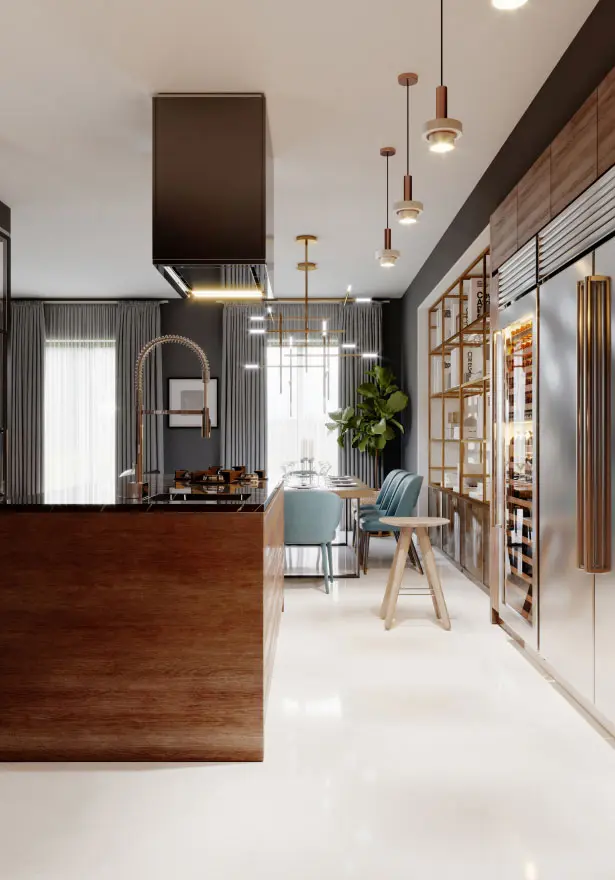
Laminate cabinets have evolved far beyond their outdated reputation, now available in convincing wood-grain textures and smooth matte colors that hold up well against daily kitchen wear. Thermofoil offers a seamless, easy-to-clean surface ideal for painted looks, though it performs best away from intense heat sources like ranges. Painted MDF provides a flawless finish without the grain inconsistencies of natural wood, making it perfect for achieving that coveted smooth, modern aesthetic in any color you choose. For tighter budgets, combining a durable melamine interior with a higher-end door material gives you longevity where it counts most.
Smart Shopping Tips for Budget-Conscious Homeowners
Request quotes from at least three suppliers before committing, and don’t hesitate to ask whether floor models or discontinued color runs are available at reduced rates. Timing your purchase during remodeling season—typically late winter through early spring—often coincides with manufacturer promotions designed to capture early planners. Read independent reviews rather than relying solely on showroom impressions, and ask suppliers directly about warranty coverage on finishes and hardware. Buying handles, pulls, and hinges separately from a dedicated hardware retailer frequently saves money compared to bundled cabinet packages.
Steps to Achieve Customized Cabinet Solutions for Your Kitchen
Turning your color vision into reality requires a structured approach that moves from inspiration to installation without costly missteps. Begin by thoroughly assessing your kitchen’s functional needs—map out how you cook, where you store items, and which cabinet zones get the heaviest daily use. Measure every wall, corner, and opening precisely, accounting for appliances, plumbing, and electrical placements that constrain your layout options. With measurements in hand, select your color palette and material combination based on the factors explored earlier: lighting conditions, style alignment, maintenance tolerance, and budget boundaries. This is where customized cabinet solutions truly shine—rather than forcing your lifestyle into a generic layout, you’re building storage that serves your specific habits. Decide whether you’ll work with a kitchen designer, hire a contractor, or tackle the project yourself. Each path has tradeoffs: professionals bring expertise and efficiency but increase costs, while DIY approaches save money but demand significant time and skill. Regardless of your route, plan hardware selection early—pulls, hinges, and knobs affect both function and aesthetics, and they should complement your chosen cabinet color rather than compete with it. Integrate organizational inserts like pull-out shelves, lazy Susans, or drawer dividers during the planning stage, since retrofitting later is more expensive and less seamless.
Planning and Design Phase: From Vision to Reality
Start by creating a mood board—physical or digital—that collects color swatches, material samples, hardware finishes, and inspiration photos into one visual reference. Free online design tools and kitchen planning software let you render your space in three dimensions, testing cabinet colors against your actual countertop and flooring selections before spending a dollar. If your budget allows, a single consultation with a kitchen designer can identify layout inefficiencies you might miss and suggest color combinations that elevate the entire room. Bring your mood board, measurements, and lifestyle notes to that meeting for the most productive session possible.
Implementation and Installation Best Practices
Whether you hire professionals or go the DIY route, ensure cabinets are installed level and plumb—even slight misalignment creates gaps that undermine your finished look. Protect your chosen color by requesting touch-up paint or finish from your supplier at the time of purchase, since manufacturer batches can vary later. Install hardware last, after doors are hung and adjusted, using a simple jig to guarantee consistent placement across every cabinet. A final walkthrough checking drawer alignment, door swing clearance, and soft-close function ensures your customized kitchen performs as beautifully as it looks from day one.
Transform Your Kitchen with the Right Cupboard Color
Choosing the perfect cupboard color for your kitchen is far more than a cosmetic decision—it shapes how your space feels, functions, and holds its value over time. By understanding the psychological and spatial impact of color, you can approach your remodel with clarity rather than guesswork. The key factors we explored—lighting conditions, architectural style, material choices, maintenance realities, and the balance between trends and timelessness—form a practical framework for narrowing your options with confidence. Whether you gravitate toward the enduring versatility of neutral tones, the bold personality of deep blues and greens, or the organic warmth of natural wood finishes, the best choice is one that genuinely reflects how you live in your kitchen every day. Budget constraints don’t have to mean compromising on beauty; strategic material selections, smart shopping habits, and targeted spending let you achieve a high-end look without unnecessary expense. And by following a structured path from planning through installation—whether working with professionals or taking the DIY route—you ensure your customized cabinet solutions deliver both form and function seamlessly. Now is the time to take that first step. Gather your samples, assess your space, and trust the process. The kitchen you’ve been imagining is well within reach.