

Lawn care has undergone a remarkable transformation over the past century. What once required hours of manual labor with push reel mowers has evolved through gas-powered engines and now into the era of smart, connected technology. Electric motor mowers represent the latest leap forward, combining clean energy with artificial intelligence to deliver a lawn care experience that previous generations could never have imagined. As automation reshapes our daily routines—from robotic vacuums to self-driving vehicles—it’s no surprise that our yards are next in line for an intelligent upgrade. For tech-savvy homeowners who already embrace smart home ecosystems, these innovative machines offer the perfect blend of convenience, efficiency, and environmental responsibility. Whether you’re tired of spending weekends behind a noisy gas mower or simply want a greener approach to maintaining your property, smart electric mowers deliver compelling solutions. In the sections ahead, we’ll explore the technology driving this revolution, the tangible benefits for your household, and practical guidance for choosing the right mower to transform your lawn care routine.
The Rise of Smart Lawn Mowing Technology
For decades, gas-powered mowers dominated residential landscapes, but their reign is giving way to a cleaner, smarter alternative. Electric motor mowers have surged in popularity as battery technology has matured, delivering runtime and power that now rival their fossil-fuel predecessors. Yet the real game-changer isn’t just the switch from gasoline to lithium-ion—it’s the intelligence layered on top. Today’s lawn mowing technology incorporates GPS navigation that maps your yard down to the centimeter, AI-driven route optimization that eliminates redundant passes, and machine-learning algorithms that adapt cutting patterns to seasonal growth rates. These aren’t gimmicks; they represent a fundamental rethinking of how a mower interacts with its environment. For tech-savvy consumers who already monitor home security cameras from their phones and adjust thermostats with voice commands, a mower that thinks for itself feels like a natural extension of the connected household. The momentum behind this shift is driven by two converging forces: growing environmental awareness that makes emissions-free operation a priority, and the modern demand for convenience that turns tedious weekend chores into automated background tasks. Together, these drivers are accelerating adoption and pushing manufacturers to innovate faster than ever.
Key Benefits of Electric Motor Mowers for Modern Homes
The advantages of electric motor mowers extend far beyond simply cutting grass—they fundamentally change the relationship between homeowners and their yards. Perhaps the most immediate benefit is environmental impact. Unlike gas mowers, which the EPA estimates produce as much pollution per hour as driving a car 300 miles, eco-friendly mowers generate zero direct emissions. For households already investing in solar panels or energy-efficient appliances, switching to electric lawn care is a logical next step in reducing their carbon footprint.
Noise reduction is another transformative advantage that’s easy to underestimate until you experience it firsthand. Traditional gas mowers operate at roughly 90 to 95 decibels—loud enough to require hearing protection—while most electric models hum along at 60 to 75 decibels, comparable to a normal conversation. This means you can mow early in the morning or late in the evening without disturbing neighbors, and your weekends no longer come with a soundtrack of engine roar.
Operating costs tell an equally compelling story. Gas mowers demand regular purchases of fuel, oil changes, spark plug replacements, and annual carburetor servicing. Electric mowers eliminate virtually all of these expenses; charging a battery costs pennies compared to filling a tank, and the simplified motor design means fewer parts that wear out. Over a five-year ownership period, homeowners typically save hundreds of dollars in maintenance alone. Ease of use rounds out the picture: there’s no pull-cord struggle on cold mornings, no fuel stabilizer for winter storage, and no trips to the gas station. You press a button—or let the smart scheduler handle it—and the mower does the rest. For busy professionals and families juggling packed calendars, reclaiming those hours every week is perhaps the most valuable benefit of all.
Exploring Advanced Features and Capabilities
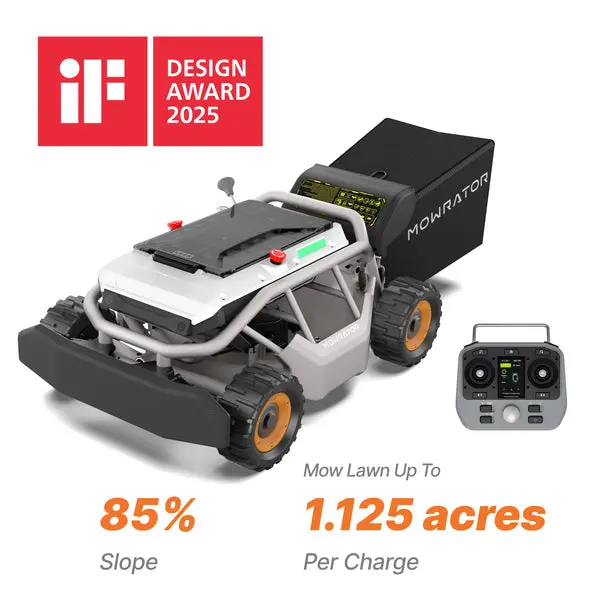
To understand what makes smart electric mowers truly revolutionary, it helps to examine specific capabilities that distinguish them from basic battery-powered models. Brands like MOWRATOR illustrate how far this technology has come, combining intelligent software with robust hardware to deliver an autonomous lawn care experience that requires minimal human intervention.
Smart Connectivity and App Integration
Modern smart mowers connect seamlessly to your home WiFi network, enabling full control through dedicated smartphone apps. From your couch or your office across town, you can start a mowing session, adjust schedules based on weather forecasts, and review detailed mowing history maps. These apps also push real-time notifications—alerting you when a session completes, when the mower encounters an issue, or when it’s time for blade maintenance. Integration with platforms like Amazon Alexa and Google Home means a simple voice command can trigger your mower into action, making it a natural participant in your broader smart home routine.
Automated Navigation and Safety Features
Advanced navigation systems use a combination of RTK-GPS positioning, onboard sensors, and digital boundary mapping to guide the mower with centimeter-level precision—no buried perimeter wires required. Ultrasonic and LiDAR-based obstacle detection identifies pets, toys, garden furniture, and uneven terrain in real time, prompting the mower to reroute instantly. Built-in lift and tilt sensors immediately halt the blades if the machine is picked up or flipped, while automatic return-to-dock functionality ensures the mower recharges itself without any manual effort.
Performance and Customization Options
Cutting performance on smart mowers rivals traditional ride-on equipment for residential lots. Users can fine-tune cutting height through the app, choosing from multiple settings to match seasonal needs—shorter in summer for a manicured look, slightly taller in dry spells to promote root health. Multi-zone management lets you assign different schedules and cutting heights to front and back yards. Maintenance alerts track blade sharpness and battery health over time, notifying you before performance degrades so your lawn always receives a clean, precise cut.
Integrating Smart Mowers into Your Home Ecosystem
One of the most appealing aspects of smart lawn mowers is how naturally they slot into an existing connected home. If you already control lighting, security cameras, and climate systems through a centralized hub or voice assistant, adding an intelligent mower feels less like adopting a new gadget and more like expanding a familiar platform. Most leading models support direct integration with Amazon Alexa, Google Home, and Apple HomeKit, allowing you to issue voice commands such as “mow the backyard” without reaching for your phone. Beyond voice control, IFTTT applets and native API support open the door to creative automations—imagine your mower pausing automatically when your smart weather station detects incoming rain, or starting a scheduled trim the moment your irrigation system finishes its morning cycle.
Setting up this level of synchronization is straightforward for anyone comfortable with smart home apps. During initial configuration, the mower’s companion app walks you through WiFi pairing and platform linking in just a few minutes. Once connected, the mower appears alongside your other devices in a single dashboard, so you can monitor its status, review mowing maps, and adjust schedules right next to your thermostat controls and doorbell camera feed. The result is a unified user experience where lawn care becomes another seamlessly managed thread in your household’s digital fabric. For tech-savvy homeowners who value cohesion across their IoT devices, this integration eliminates the friction of juggling disconnected tools and reinforces the vision of a truly intelligent home environment.
Practical Solutions: How to Choose and Use Your Smart Electric Mower
Step-by-Step Selection Guide
Choosing the right smart electric mower starts with an honest assessment of your property. Begin by measuring your lawn’s total area, since mowers are engineered for specific coverage ranges—selecting a model rated for your lot size ensures it can complete the job on a single charge cycle. Next, evaluate your terrain. Yards with steep slopes, narrow passages, or complex landscaping require mowers with advanced navigation and strong traction systems, while flat, open lawns can be handled by more basic models. Consider which smart features matter most to your household: if you already rely on Alexa or Google Home, prioritize mowers with native integration for those platforms. Boundary mapping is another differentiator—wire-free models using RTK-GPS save installation time compared to systems that require buried perimeter cables. Review cutting width and height adjustment ranges to confirm they suit your grass type and aesthetic preferences. Finally, read owner reviews that focus on long-term reliability and software update frequency, because a mower is only as smart as its latest firmware. Comparing two or three models across these criteria will quickly narrow the field and ensure you invest in a machine that genuinely fits your lifestyle rather than one loaded with features you’ll never use.
Installation and Maintenance Tips
Once your mower arrives, place the charging dock on a flat, shaded surface near a power outlet and within WiFi range—this single decision affects both charging efficiency and signal reliability. Walk the perimeter of your yard through the companion app to set digital boundaries, flagging garden beds, pathways, and water features as exclusion zones. For ongoing care, inspect the cutting blades every four to six weeks and replace them when the app’s maintenance tracker signals wear. Keep the undercarriage free of grass buildup by wiping it down after heavy mowing sessions, and store the mower indoors or under a weatherproof cover during winter months to preserve battery longevity. If the mower ever behaves erratically—missing zones or returning to dock prematurely—recalibrate its GPS module and confirm that no new obstacles are blocking its mapped routes. These simple habits keep the machine running at peak performance season after season.
Embrace the Future of Intelligent Lawn Care
Smart electric mowers represent more than a simple upgrade from gas-powered equipment—they signal a fundamental shift in how we approach home maintenance. The technology driving these machines, from AI-powered navigation to real-time app connectivity, transforms lawn care from a dreaded weekend chore into an automated process that runs quietly in the background of your life. The environmental benefits alone make a compelling case: zero emissions, dramatically reduced noise, and minimal resource consumption compared to traditional alternatives. When you add the financial savings from eliminated fuel and maintenance costs, the convenience of voice-activated scheduling, and the seamless integration with existing smart home ecosystems, the value proposition becomes difficult to ignore. For tech-savvy homeowners who already appreciate what connected devices bring to security, climate control, and entertainment, extending that intelligence to the yard is a natural progression. As battery technology continues to advance and AI algorithms grow more sophisticated, tomorrow’s smart mowers will be even more capable—learning your preferences, predicting growth patterns, and maintaining your lawn with precision that rivals professional landscaping services. Now is the ideal time to embrace this evolution and let your home work smarter from the inside out to the curb.