

Picture yourself stuck in rush-hour traffic, watching buses crawl past while you search endlessly for parking. Or imagine lugging a full-sized bicycle up three flights of apartment stairs, only to have it consume your entire hallway. Urban commuting presents real challenges: congested streets, overcrowded public transit, and nowhere to store traditional bikes. Folding bikes offer a transformative solution, combining compact mobility with genuine convenience for city dwellers. Yet with countless models flooding the market, selecting the right one feels overwhelming. This guide cuts through the confusion by providing a clear, step-by-step approach tailored specifically for adult urban commuters. We’ll focus on what matters most—affordability, durability, and ease of use—ensuring you make an informed decision without getting lost in technical jargon. By the end, you’ll know exactly how to evaluate options and find the folding bike for adults that fits your lifestyle, budget, and commuting needs perfectly.
Why Folding Bikes Are Revolutionizing Urban Commuting
Folding bikes have emerged as a game-changing solution for city dwellers facing the daily grind of urban transportation. The trend reflects a fundamental shift in how adults approach commuting, moving away from traditional fixed-frame bicycles toward more adaptable alternatives. The primary appeal lies in their space-saving design—a bike that transforms from full-size to compact in seconds addresses one of the most pressing challenges urban commuters face: storage. Whether you live in a cramped apartment or share limited office space, a folded bike takes up minimal room, often fitting under desks, in closets, or even small car trunks.
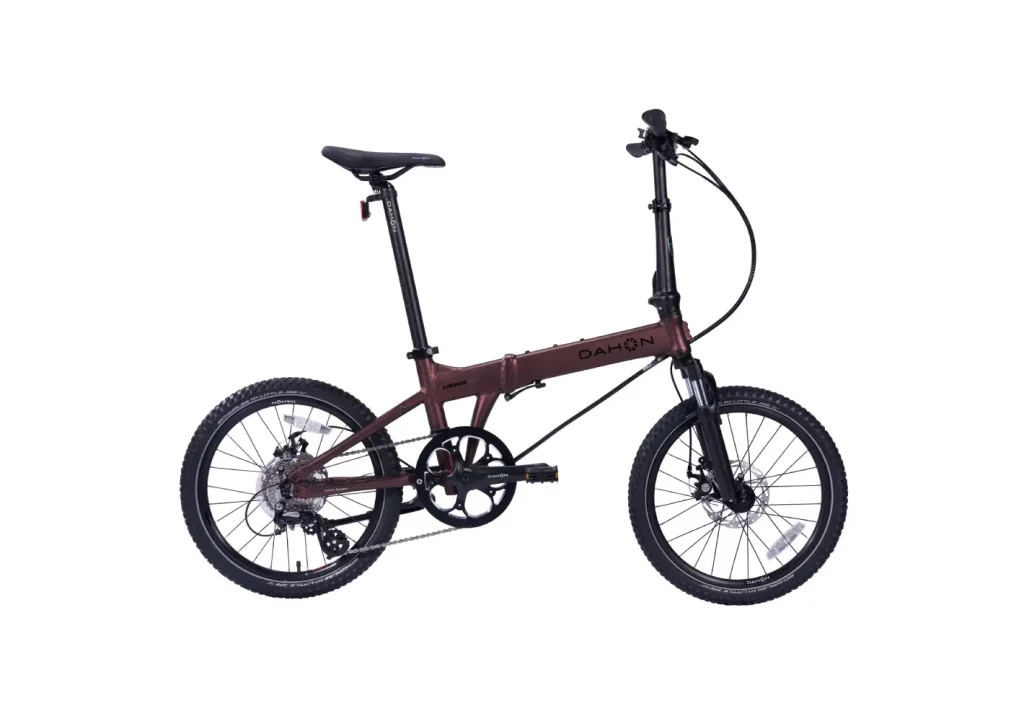
Beyond storage, folding bikes excel at integrating seamlessly with multi-modal transportation. Commuters can combine cycling with buses or trains, eliminating the awkwardness of maneuvering a full-sized bike through crowded transit stations. This flexibility transforms commuting from a single-mode journey into a fluid, adaptable experience that adjusts to real-world conditions. Environmental benefits further strengthen their appeal—by choosing pedal power over car travel, even for partial commutes, riders reduce their carbon footprint while enjoying cost savings on fuel and parking.
For adult commuters specifically, folding bikes address security concerns that plague traditional cyclists. Theft remains a legitimate worry in urban environments, and the ability to keep your bike with you rather than locking it outside provides genuine peace of mind. Additionally, their compact mobility allows navigation through congested streets and tight urban spaces where larger bikes prove cumbersome. These practical advantages have transformed folding bikes from niche accessories into essential commuting tools for city residents seeking efficiency, convenience, and reliability.
Key Factors to Consider When Choosing a Folding Bike
Affordability and Budget-Friendly Options
Folding bikes span a wide price spectrum, ranging from budget-conscious options under $300 to premium models exceeding $1,000. For urban commuters, the sweet spot typically falls between $400 and $800, where you’ll find reliable bikes that balance cost with quality components. Rather than fixating on the lowest price, focus on value—a slightly more expensive bike with better brakes and gears often outperforms cheaper alternatives over time. Look for sales during off-season months or consider previous-year models that offer significant discounts without sacrificing performance. Many manufacturers offer entry-level lines specifically designed for daily commuting without unnecessary features that inflate costs. Prioritize essential components like sturdy brakes and reliable shifting mechanisms over aesthetic upgrades. Reading user reviews helps identify which models deliver genuine durability at their price point, ensuring your investment serves you well through multiple commuting seasons.
Durability and Build Quality for City Travel
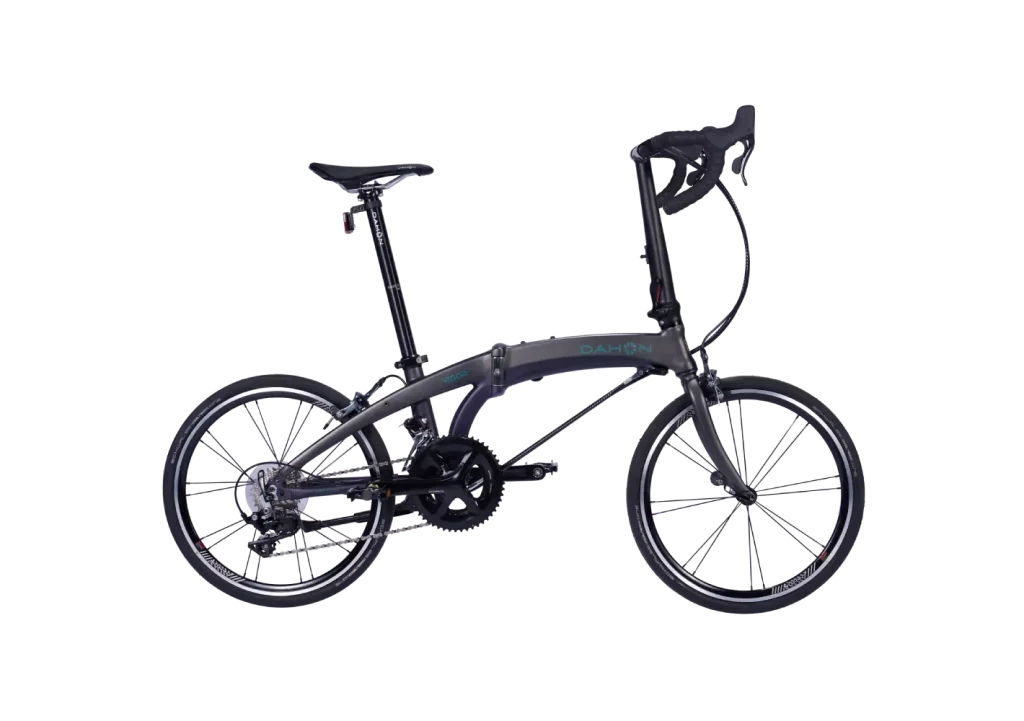
Urban environments demand robust construction capable of handling potholes, curbs, and frequent folding cycles. Aluminum frames offer the ideal balance—they’re lightweight yet rigid, resisting rust better than steel while maintaining affordability. Steel frames provide exceptional durability but add noticeable weight that impacts portability. Wheel size matters significantly; 16-inch wheels suit compact storage and easy folding, while 20-inch wheels provide smoother rides on rough city streets. Component quality directly affects longevity; look for bikes equipped with dependable gear systems and hydraulic disc brakes that perform reliably in wet urban conditions. The folding mechanism itself requires attention—reinforced hinges and locking joints prevent wobbling during rides and ensure the bike maintains structural integrity through countless fold-unfold cycles. Check that the frame has no visible welds that appear weak or misaligned. Testing the bike’s stiffness by applying pressure to the frame reveals build quality instantly. Premium brands invest in quality control that cheaper manufacturers skip, translating to fewer repairs and longer service life for daily commuters.
Ease of Use: Folding Mechanism and Portability
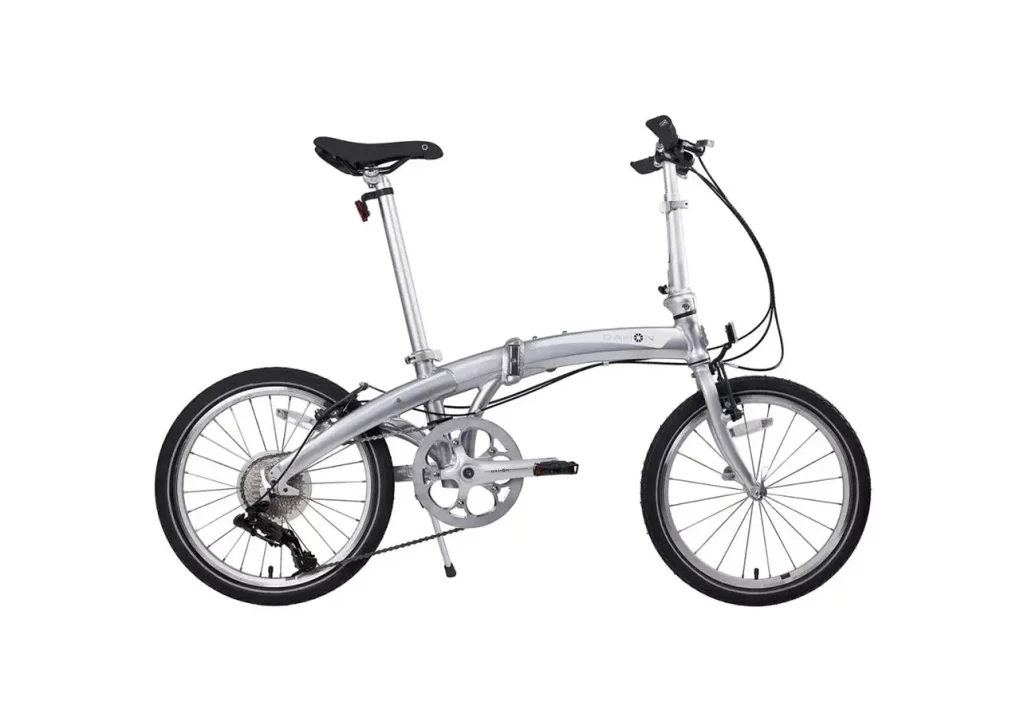
The folding process should feel intuitive and require minimal effort—ideally accomplishable in under 30 seconds without consulting instructions. Quick-release mechanisms and clearly marked pivot points indicate user-friendly design. Weight distribution matters enormously; a 25-pound bike becomes exhausting to carry daily, while 20 pounds or less remains manageable for most adults. When folded, the bike should fit comfortably in standard storage spaces like under-desk areas or apartment closets. Test the folded dimensions in your actual storage location before purchasing. Portability extends beyond weight; consider how the bike handles when carrying it up stairs or through crowded transit stations. Bikes with integrated carrying handles simplify transport significantly. The folding mechanism should lock securely in place, preventing accidental unfolding during transport. Some models feature pedals that fold inward, reducing the folded profile and preventing damage to walls or clothing. Prioritize bikes that balance compactness with stability—overly flimsy designs compromise both portability and ride quality. Visiting a store to physically fold and carry a candidate bike reveals whether it truly suits your daily routine.
Spotlight on Top Brands: Evaluating DAHON Folding Bikes
DAHON stands as a pioneer in the folding bike industry, with decades of experience crafting reliable compact bicycles for urban commuters worldwide. The brand’s reputation stems from consistent innovation and commitment to practical design that addresses real commuting challenges. DAHON folding bikes appeal to adults seeking dependable performance without excessive complexity or premium pricing that strains budgets.
Their entry-level models deliver exceptional value, featuring aluminum frames and 16-inch wheels that balance portability with ride comfort on city streets. Mid-range DAHON options incorporate upgraded components like reliable derailleur systems and improved braking performance, making them ideal for commuters tackling varied terrain and weather conditions. The brand’s engineering emphasizes smooth folding mechanisms that remain intuitive after hundreds of cycles, addressing the ease-of-use concerns many commuters prioritize.
What distinguishes DAHON in the market is their focus on genuine commuter needs rather than racing performance or recreational features. Their bikes fold compactly, weigh manageable amounts for daily transport, and withstand the rigors of urban environments without excessive maintenance demands. Customer reviews consistently highlight durability and reliability across multiple seasons of regular use. While premium competitors offer lighter materials or advanced gearing, DAHON models provide superior value by concentrating resources on essential components that directly impact commuting experience. For adults balancing budget constraints with quality expectations, DAHON folding bikes represent a trusted choice that delivers compact mobility and dependable performance through countless urban commutes.
Step-by-Step Guide to Selecting Your Ideal Folding Bike
Choosing the right folding bike becomes straightforward when you follow a systematic evaluation process. Begin by assessing your commuting distance and terrain. Measure the actual distance you’ll travel daily and note the road conditions—smooth city streets differ significantly from potholed urban areas or paths with occasional gravel. Shorter commutes under three miles work well with compact 16-inch wheel bikes, while longer routes benefit from 20-inch wheels that maintain speed more efficiently. Next, establish a realistic budget aligned with your commuting frequency. Daily commuters justify investing $500-800 in quality components that withstand regular use, whereas occasional riders might start with budget-friendly models around $300-400. The third step involves physically testing foldability and portability at a store or rental facility. Perform the folding sequence multiple times to ensure it feels natural, then carry the folded bike up stairs or through simulated transit scenarios to confirm it matches your strength and lifestyle. Fourth, examine durability features by inspecting the frame for rigid construction, testing brake responsiveness, and shifting through all gears smoothly. Finally, read authentic user reviews focusing on long-term performance rather than initial impressions, comparing models within your budget range to identify which consistently delivers reliability. Cross-reference feedback across multiple review platforms to spot patterns about real-world durability. This methodical approach transforms an overwhelming decision into manageable steps, ensuring your final selection genuinely suits your urban commuting needs.
Maintenance and Care for Long-Lasting Performance
Regular maintenance transforms your folding bike investment into a reliable commuting partner that performs consistently through countless urban journeys. Begin with routine cleaning after rides, particularly during rainy seasons when salt and grime accumulate on components. A simple rinse with water and mild soap prevents rust and keeps moving parts functioning smoothly. Pay special attention to the folding mechanism—dirt buildup in hinges and joints compromises both safety and ease of use. Dry the bike thoroughly afterward, using a soft cloth to prevent water spots and corrosion on the frame and components.
Lubrication keeps your bike operating efficiently and extends component lifespan significantly. Apply chain lubricant specifically designed for bicycles every few weeks, wiping away excess to prevent dirt attraction. Check brake cables and gear shifters monthly, applying light lubrication to pivot points where friction occurs. Tire maintenance deserves consistent attention; inspect tires weekly for proper pressure and visible damage like cuts or embedded debris. Properly inflated tires reduce rolling resistance, improve handling, and prevent flat punctures that disrupt commuting schedules. Store your folded bike in a dry location away from extreme temperature fluctuations, which can weaken materials over time. During winter months or extended storage periods, consider applying a protective coating to prevent rust development. These straightforward maintenance practices require minimal time investment yet deliver substantial returns through improved performance, enhanced safety, and extended bike longevity that justifies your initial purchase for years of reliable urban commuting.
Transform Your Commute with the Right Folding Bike
Selecting the right folding bike for urban commuting doesn’t require expertise—it demands thoughtful consideration of what matters most to your daily routine. Throughout this guide, we’ve explored how affordability, durability, ease of use, and compact mobility form the foundation of a smart purchase decision. These factors work together to ensure your folding bike becomes a reliable partner that simplifies commuting rather than complicating it. DAHON and similar quality brands demonstrate that you don’t need to compromise between budget constraints and genuine performance; many models deliver exceptional value by focusing on essential components that directly enhance your commuting experience. By following the step-by-step selection process outlined here—assessing your terrain, testing foldability in person, examining durability features, and reading authentic user reviews—you transform an overwhelming decision into manageable, actionable steps. The maintenance practices we discussed ensure your investment continues performing reliably through countless urban journeys, protecting your financial commitment while maximizing the bike’s lifespan. As cities grow increasingly congested and environmental concerns mount, folding bikes represent more than convenient transportation; they embody a practical shift toward sustainable, efficient urban living. Your ideal folding bike awaits—one that fits your budget, navigates your city’s terrain, and folds effortlessly into your lifestyle. Take action today, apply these insights, and discover how compact mobility can transform your daily commute into a seamless, enjoyable experience.