

There’s a familiar disappointment that comes with buying a crystal-clear iPhone case, only to watch it slowly transform into a murky, yellowish shell within a few months. For anyone who invested in the iPhone 15’s stunning design — whether it’s the sleek titanium finish or the refined color options — covering it up with a discolored case feels like a defeat.
The good news is that anti-yellowing technology has advanced significantly, giving you a real way to keep that “barely there” look without sacrificing protection. Today’s best clear cases are engineered specifically to resist the discoloration that plagues standard TPU cases, meaning your iPhone 15 can stay visible and vibrant for the long haul.
This guide is built for young professionals who want both style and substance. We’ll break down exactly why cases turn yellow in the first place, walk through the key features that separate a premium anti-yellowing case from a mediocre one, and give you a practical step-by-step selection process. We’ll also compare different case types and share maintenance tips to maximize your case’s lifespan. By the end, you’ll have everything you need to make a confident, informed choice.
Why Do iPhone 15 Cases Turn Yellow? The Science Explained
That gradual shift from crystal clear to dingy yellow isn’t just bad luck — it’s chemistry. Most affordable clear cases are made from thermoplastic polyurethane (TPU), a flexible material that’s great for grip and shock absorption but has a significant weakness: it degrades when exposed to ultraviolet light. UV radiation breaks down the polymer chains within the material, triggering a process called photo-oxidation. The result is that characteristic amber tint that makes a once-invisible case look grimy and old.
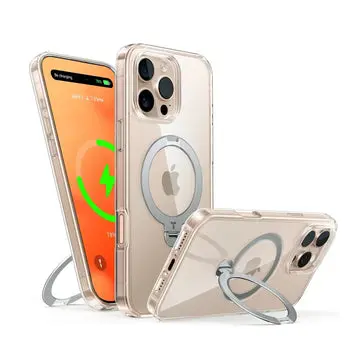
UV light is only part of the story. Everyday environmental factors dramatically speed up the process. The natural oils and sweat from your hands seep into the TPU’s surface over time, chemically reacting with the material. Heat — whether from direct sunlight, leaving your phone on a car dashboard, or even prolonged use — accelerates oxidation at the molecular level. Some cleaning products and hand sanitizers can also strip protective coatings, leaving the raw material even more vulnerable to discoloration.
Anti-yellowing cases are engineered to counter these specific threats. Manufacturers achieve this by incorporating UV-stabilizing additives directly into the material compound, which absorb and neutralize harmful radiation before it can break down the polymer structure. Some premium cases use a hybrid construction — pairing a hardened polycarbonate back with a treated TPU bumper — which is inherently more stable than pure TPU. Others apply specialized optical coatings that act as a barrier against oils and environmental contaminants. Understanding this science is the first step toward recognizing which materials and construction methods will actually deliver lasting clarity for your iPhone 15.
Key Features of a Superior iPhone 15 Clear Case
1. Anti-Yellowing Material Technology
The single most important factor in a clear case’s longevity is what it’s actually made of. Standard TPU cases begin yellowing within weeks because manufacturers use no UV stabilization whatsoever. Premium anti-yellowing cases take a fundamentally different approach by embedding UV-absorbing compounds directly into the polymer matrix during manufacturing. These additives intercept harmful radiation at the molecular level, preventing the photo-oxidation chain reaction before it starts. Some brands develop proprietary material blends — often marketed under names like “Crystal Clear” or “Diamond Shield” technology — that combine UV inhibitors with optical brighteners to actively maintain transparency over time. TORRAS, for example, applies this kind of multi-layer UV-stabilizing construction across its clear iPhone case lineup, pairing a hard polycarbonate back panel with a treated TPU bumper for enhanced long-term clarity. The most durable options use this hybrid approach since PC is inherently more UV-stable than flexible TPU alone. When evaluating a case, look specifically for language like “UV-resistant coating,” “yellowing-resistant formula,” or third-party clarity certifications rather than vague claims of being “crystal clear.”
2. Balancing Slim Design with Drop Protection
Young professionals need a case that doesn’t turn their sleek iPhone 15 into a chunky brick. Fortunately, modern engineering has made this trade-off largely unnecessary. The best slim clear cases achieve meaningful drop protection through strategic design rather than sheer bulk — reinforced corners with air-cushion technology absorb impact energy at the points most likely to hit the ground, while the main body stays thin enough to slide easily into a pocket. Raised bezels around both the camera module and screen provide crucial protection against face-down drops without adding noticeable thickness. For quantified assurance, look for MIL-STD-810G certification, which means the case has passed military-grade drop testing across multiple surface types and angles. A case meeting this standard can realistically handle the six-foot drops that happen in daily life.
3. Durability and Scratch Resistance
Clarity isn’t just about resisting yellowing — it’s also about staying scratch-free. A case that picks up deep surface scratches within the first month will look just as bad as a yellowed one. Hardness ratings matter here: polycarbonate backs with a surface hardness above 9H resist most everyday scratches from keys and coins sharing pocket space with your phone. Equally important is an oleophobic coating on the exterior surface, which repels the finger oils that would otherwise build up into a greasy film that’s difficult to clean and gradually degrades the material. Quality construction also shows in the small details — reinforced port cutouts that don’t crack or fray with repeated use, and consistent material thickness throughout the case rather than thin spots that become weak points over time.
Your Step-by-Step Guide to Choosing the Best Case
Step 1: Define Your Priority (Style vs. Maximum Protection)
Before browsing a single product page, spend two minutes honestly assessing how you use your phone. If you work in an office environment, commute by transit, and rarely drop your device, a slim anti-yellowing case with standard corner protection will serve you perfectly — you get that premium aesthetic without unnecessary bulk. If your lifestyle involves construction sites, outdoor activities, or you simply have a history of cracked screens, prioritize a case with MIL-STD-810G certification and reinforced bumpers, even if it adds a millimeter or two. Knowing your actual risk profile prevents the common mistake of buying a fashion-forward case that fails when you genuinely need protection.
Step 2: Research and Compare Specific Models
Once you know what you need, shift your research focus specifically to long-term user reviews rather than launch-day impressions. Search for reviews that are three to six months old, filtering comments that mention yellowing, clarity retention, and real-world drop performance. A case that looks pristine in unboxing videos means very little — what matters is how it holds up after daily handling through summer heat and UV exposure. Pay attention to patterns in negative reviews: isolated complaints about yellowing suggest user error, but repeated mentions across dozens of reviews signal a genuine material deficiency. Manufacturer warranty policies also reveal confidence in their own product; brands offering replacement guarantees for discoloration are backing their anti-yellowing claims with accountability.
Step 3: Check for Precise Fit and Button Responsiveness
The iPhone 15 introduced refined button placement and a USB-C port, so fit precision matters more than ever. A poorly engineered case will have cutouts that are fractionally misaligned, making the Action button awkward to press or leaving the charging port partially obstructed. Before purchasing, verify that reviewers specifically mention crisp button feedback and unobstructed port access. If buying in-store, physically test the volume buttons and side button through the case — they should click cleanly without requiring extra force. Loose-fitting cases also allow dust and debris to accumulate between the case and phone body, which scratches the finish over time and defeats the purpose of protective coverage entirely.
Comparing Top iPhone 15 Case Types: Clear vs. Others
Choosing a clear anti-yellowing case becomes easier when you understand how it stacks up against the alternatives. Rugged cases offer the highest drop protection, but their thick profiles and opaque designs completely conceal the iPhone 15’s premium finish — a significant trade-off for anyone who chose their phone partly for its aesthetics. Leather cases age gracefully and feel luxurious, but they’re inherently opaque, offer minimal impact absorption, and can actually transfer dye onto lighter iPhone finishes over time. Silicone cases are soft and grippy, but standard silicone attracts lint relentlessly and is among the fastest materials to visually degrade, developing a tacky, discolored surface within months of regular use.
A high-quality anti-yellowing clear case occupies a genuinely unique position: it showcases the iPhone 15’s original design while delivering real structural protection. Unlike the alternatives, it doesn’t force you to choose between visibility and durability. The key distinction from budget clear cases is longevity — where a standard TPU case starts yellowing in weeks, a properly engineered anti-yellowing case maintains optical clarity for a year or more. For young professionals who want their phone to look as good at month twelve as it did on day one, this combination of transparency, protection, and lasting clarity is simply unmatched by any other case category.
Maintenance Tips to Keep Your Clear Case Looking New
Even the best anti-yellowing case benefits from consistent care. The single most effective habit you can build is a weekly wipe-down using a microfiber cloth lightly dampened with isopropyl alcohol (70% concentration). This removes the accumulated oils, sweat, and environmental residue that slowly degrade surface coatings over time. Avoid harsh household cleaners, bleach-based sprays, and abrasive cloths — these strip oleophobic coatings faster than UV exposure ever would, leaving the raw material defenseless against future contamination.
Where and how you store your phone matters more than most people realize. Leaving your iPhone 15 on a car dashboard or windowsill — even inside a premium anti-yellowing case — subjects the material to concentrated UV radiation and heat that no additive can fully counteract indefinitely. When your phone isn’t in use, keep it face-down or in a bag away from direct sunlight. If you work outdoors regularly, this single adjustment can meaningfully extend your case’s clarity lifespan.
Knowing when to replace your case is just as important as knowing how to maintain it. Watch for these specific warning signs: a faint amber tint that doesn’t disappear after cleaning, surface micro-scratches that scatter light and reduce transparency, port cutouts that have begun to crack or fray, or corners that feel compressed and no longer spring back after impact. A case showing any of these signs has passed its protective prime. Most quality anti-yellowing cases deliver twelve to eighteen months of reliable clarity with proper maintenance — treating that window as a replacement schedule rather than a disappointment keeps your iPhone 15 looking sharp and genuinely protected throughout its life.
Make the Right Choice for Lasting Clarity and Protection
Keeping your iPhone 15 looking as good as the day you unboxed it comes down to one smart decision: choosing a case engineered specifically to resist yellowing rather than hoping a generic clear option holds up. As we’ve covered, the science behind discoloration is real — UV radiation, heat, and daily oils all work against standard TPU materials. The solution lies in cases built with UV-stabilizing compounds, hard polycarbonate construction, and oleophobic coatings that address these threats at the material level.
The step-by-step selection process gives you a practical framework: know your lifestyle before you shop, dig into long-term user reviews rather than launch impressions, and verify that the fit is precise enough to protect the iPhone 15’s refined buttons and USB-C port. Paired with simple weekly maintenance habits and smart storage away from direct sunlight, the right case will maintain its optical clarity for well over a year.
Your iPhone 15 represents a meaningful investment in both technology and design. The case protecting it should honor that investment rather than obscure it. With the knowledge from this guide, you’re fully equipped to skip the trial-and-error cycle and choose a clear case that delivers lasting clarity, genuine drop protection, and the slim profile your phone deserves — from day one through month eighteen and beyond.