
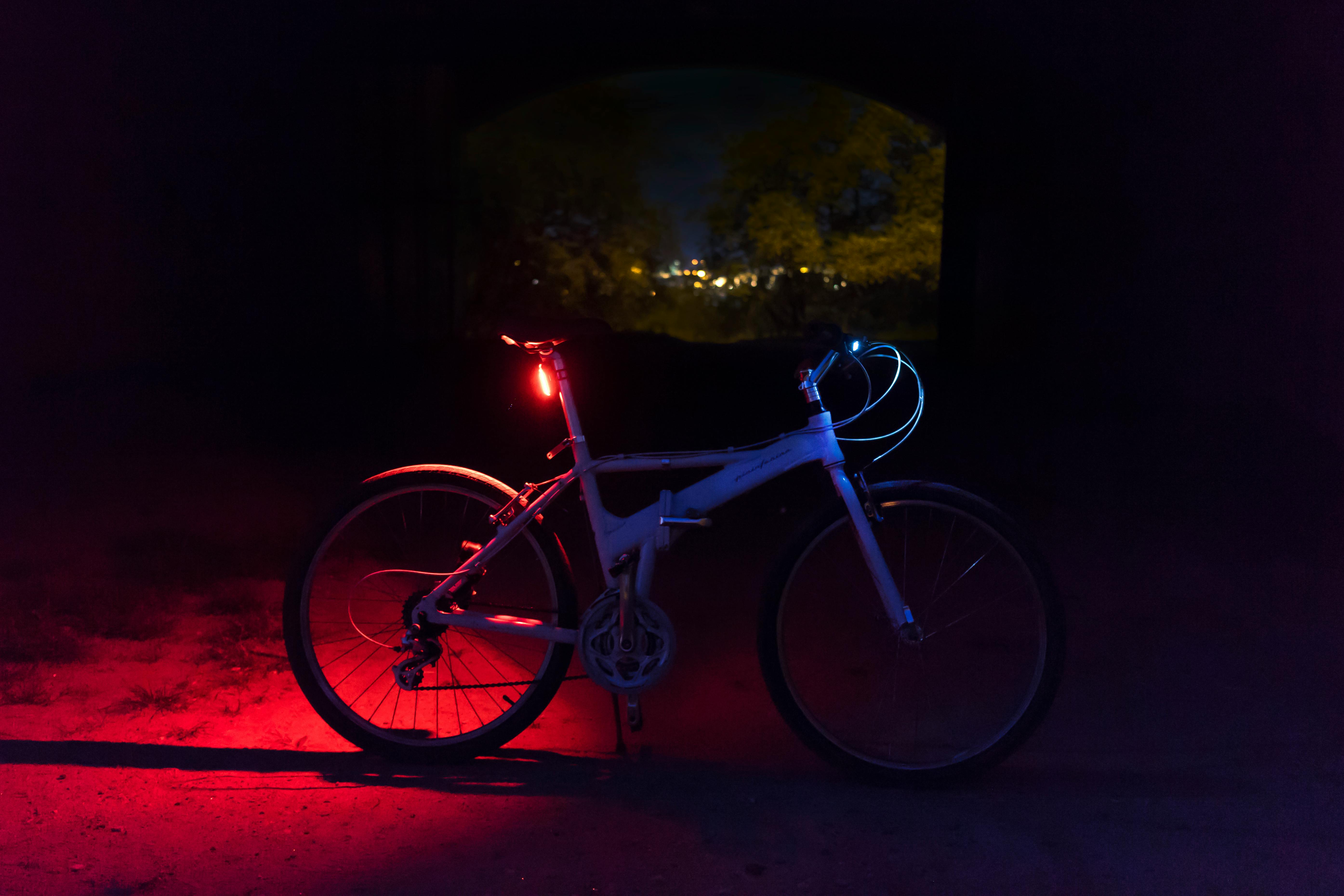
Choosing the right bike lights can make a significant difference when riding on trails after dark. Night riding offers a unique experience, from cooler temperatures to quieter paths, but it also comes with reduced visibility and added safety concerns. The right lighting setup not only helps you see obstacles clearly but also ensures that others can see you.
With so many products available, it is important to understand what features matter most before making a decision.
Understanding Brightness and Beam Patterns
Brightness is often the first factor riders consider, and it is typically measured in lumens. Higher lumen output means more light, but brightness alone does not guarantee better visibility. For mountain biking, you need a balance between power and control.
Trail riding usually requires lights in the range of 800 to 2000 lumens, depending on terrain and speed. However, the beam pattern plays an equally important role. A wide beam helps illuminate the sides of the trail, improving peripheral vision, while a focused beam provides distance visibility for spotting obstacles ahead.
When evaluating bike lights for mountain biking, look for options that combine both flood and spot beams. This combination ensures that you can see both immediate terrain and upcoming sections of the trail clearly.
Choosing Between Handlebar and Helmet Lights
Most experienced riders use a dual light setup that includes one mounted on the handlebars and another on the helmet. Each serves a different purpose and enhances overall visibility.
Handlebar lights provide a stable, forward-facing beam that illuminates the trail directly in front of your bike. They are ideal for maintaining consistent lighting on descents and straight paths. However, they do not follow your line of sight when you turn your head.
Helmet lights, on the other hand, move with you. This allows you to look around corners, scan technical sections, and react quickly to changing terrain. They are especially useful on narrow or winding trails.
Using both types together creates a more complete lighting system and improves safety during night rides.
Battery Life and Power Options
Battery performance is another key consideration, especially for longer rides. A powerful light is only useful if it can last for the duration of your ride. Always check the runtime at different brightness levels, not just the maximum setting.
Some lights offer adjustable modes such as high, medium, and low, allowing you to conserve battery when full brightness is not needed. Rechargeable lithium-ion batteries are the most common option due to their efficiency and convenience.
For extended rides, consider carrying a spare battery or choosing a light with a larger capacity. USB charging is also a practical feature, as it allows you to recharge easily between rides.
Durability and Weather Resistance
Mountain biking often involves rough terrain and unpredictable weather conditions. Your lights should be built to withstand shocks, vibrations, and exposure to elements such as rain and mud.
Look for products with sturdy construction and secure mounting systems. Loose or unstable lights can shift during a ride, reducing visibility and causing distractions. Water resistance is typically indicated by an IP rating, with higher ratings offering better protection.
Durable lights not only perform better but also last longer, making them a worthwhile investment for regular riders.
Mounting and Ease of Use
A good lighting system should be easy to install and adjust. Quick-release mounts are especially useful, allowing you to attach or remove lights without tools. This is convenient for charging, storage, or switching between bikes.
Make sure the mounting system is compatible with your handlebar size and helmet design. A secure fit prevents movement and ensures consistent lighting throughout your ride.
Controls should also be simple and accessible, even while wearing gloves. Being able to switch modes quickly can make a big difference when transitioning between different sections of a trail.
Additional Features to Consider
Modern bike lights come with a variety of extra features that can enhance your riding experience. Some models include smart brightness adjustment, which automatically changes intensity based on your speed or surroundings.
Others offer side visibility lights, which improve safety when riding near roads or crossing intersections. Lightweight designs are also worth considering, especially for helmet-mounted lights, as they reduce strain during longer rides.
While these features are not essential, they can add convenience and improve overall performance depending on your riding style.
Final Thoughts
Night riding opens up a new dimension of mountain biking, but it requires the right preparation. Choosing a reliable lighting setup ensures you can ride confidently and safely, even in complete darkness.
By focusing on brightness, beam pattern, battery life, durability, and mounting options, you can find lights that match your needs and riding conditions. With the right setup, night trails become not only manageable but also incredibly enjoyable.