
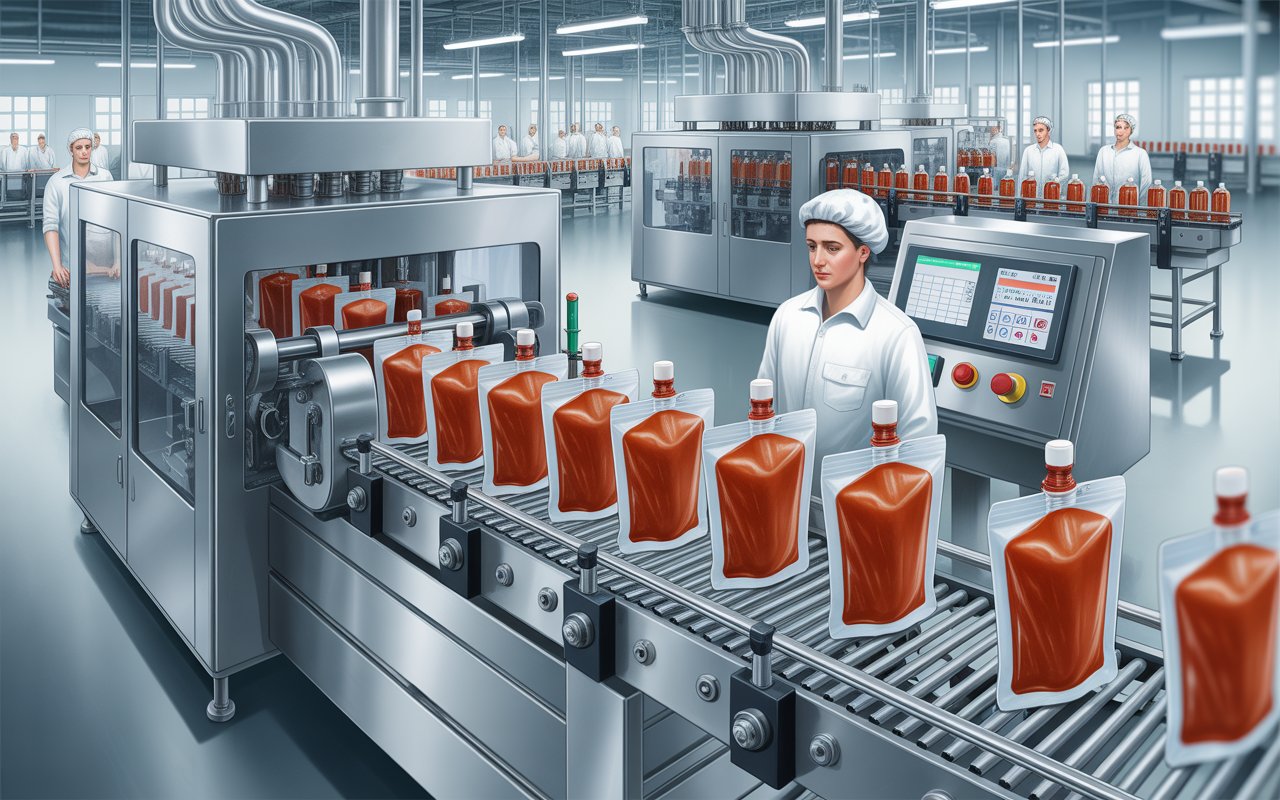
Getting the maximum production efficiency from a paste filling machine requires more than selecting an appropriate machine and installing it. It requires optimizing the machine setup for the specific products being filled, developing effective cleaning and changeover procedures, training operators in the practices that maintain fill accuracy and minimize downtime, and building the systematic maintenance habits that keep the machine in peak operating condition over its service life.
This guide focuses on the operational excellence practices that maximize the value of paste filling machine investments in production environments.
Optimizing Paste Filling Machine Setup for Specific Products
Every paste product has unique characteristics that require specific machine configuration to achieve the best combination of fill accuracy, production speed, and product quality. Taking time to optimize the setup for each product rather than using generic settings produces measurably better results.
Fill speed optimization for each product determines the maximum fill rate achievable while maintaining fill accuracy within specification. Filling too fast creates problems including fill volume overshoot, air entrainment, product splashing, and nozzle dripping that all affect fill quality. Filling too slowly sacrifices production efficiency unnecessarily. The optimal fill speed is found by testing a range of speeds with the specific product and identifying the fastest speed at which fill accuracy and appearance remain within specification.
Nozzle selection and positioning significantly affects fill accuracy, product cut-off quality, and container filling pattern. The nozzle diameter must be appropriate for the product viscosity and particle size to allow consistent product flow without clogging. The nozzle length should position the fill outlet at or below the container opening level for most paste products to minimize splashing and air entrainment. Paste filling machines with interchangeable nozzle sets allow selection of the optimal nozzle configuration for each product in the range.
Temperature management for temperature-sensitive paste products requires verification that the product is at the correct filling temperature throughout the production run, not just at startup. Product temperature can drift during production due to heat exchange with the environment or the filling equipment. Regular monitoring of product temperature during production and adjustment of heating systems as needed maintains consistent filling conditions throughout the production run.
Pressure and timing calibration of the filling cycle determines the fill volume precision achievable from the machine. Modern paste filling machines with electronic control systems allow fill time, pressure, and valve timing to be adjusted and stored as product-specific recipes that can be recalled for consistent setup each time a product is run. Investing time in precise calibration of these parameters for each product in the range creates repeatable fill accuracy that reduces setup time and quality variability in subsequent production runs.
Cleaning and Sanitizing Paste Filling Machines
The cleaning requirements of paste filling machine in food, cosmetic, and pharmaceutical applications are demanding because paste products are typically more difficult to clean from equipment surfaces than thin liquids. Developing effective cleaning procedures that completely remove product residues without damaging equipment or requiring excessive downtime is a critical operational challenge.
Disassembly sequence and component accessibility determine how practical thorough cleaning is for a specific paste filling machine design. Machines that require extensive tool use for disassembly, have blind spots inaccessible to cleaning tools, or have complex geometries that trap product residues create cleaning challenges that affect both food safety and production efficiency. Quality paste filling machine designs prioritize ease of disassembly and access to all product contact surfaces for cleaning.
Cleaning solution selection for paste filling equipment must be matched to the specific product residue characteristics and the materials of construction of the machine. Heavy grease or oil-based product residues require alkaline cleaning agents. Protein-based food residues respond to enzymatic cleaners. Acid-based products leave deposits that require alkaline neutralization before effective cleaning. Matching the cleaning chemistry to the specific soil characteristics achieves better cleaning results in less time than generic cleaning protocols.
Operator Training for Paste Filling Machines
Well-trained operators are the most important factor in achieving consistent, efficient paste filling machine performance. Machine capabilities can only be fully realized when operators understand how the machine works, what good fill quality looks like, and how to identify and respond to developing problems before they cause significant production losses.
Product knowledge training gives operators the understanding of paste product characteristics that helps them recognize when filling behavior indicates a product quality issue versus a machine issue. Changes in fill rate or accuracy that result from product viscosity variation need different responses than the same symptoms caused by machine wear or maladjustment.
Troubleshooting training equips operators to identify and resolve the most common paste filling machine problems without waiting for maintenance support. Fill volume drift, nozzle dripping, product bridging in the hopper, and seal failures are all common issues that trained operators can diagnose and resolve quickly, minimizing production downtime.
Conclusion
Maximizing the production efficiency and product quality performance of a paste filling machine investment requires optimized product-specific setup, effective cleaning procedures, well-trained operators, and systematic maintenance habits that keep the machine in peak condition throughout its service life. Zonesun Tech designs its paste filling machine range with operational excellence in mind, providing user-friendly adjustment systems, accessible product contact surfaces for cleaning, comprehensive operator documentation, and technical support that helps customers achieve and maintain the high production performance their business demands.
