
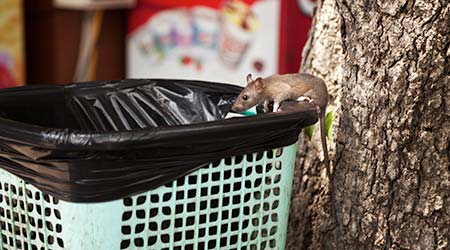
Pest infestations often begin with one simple factor: access to food. Whether it is a residential property, commercial facility, restaurant, or apartment complex, improperly managed waste can quickly attract unwanted pests. Effective waste management is one of the most important yet overlooked components of a successful pest prevention strategy.
Many common pests rely on human-generated waste as a food source. Rodents, cockroaches, ants, flies, and even wildlife such as raccoons are naturally drawn to garbage containers that contain food scraps and organic materials. Once pests discover a reliable food source, they are more likely to remain nearby and establish breeding populations.
Rodents are particularly attracted to overflowing trash bins and poorly maintained dumpster areas. Rats and mice have highly developed senses of smell and can locate food from considerable distances. Once they find a consistent food source, they often seek shelter in nearby buildings, crawl spaces, wall voids, and storage areas. Proper waste handling significantly reduces the likelihood of attracting these destructive pests.
Cockroaches are another major concern associated with poor sanitation practices. Even small amounts of food residue in trash containers can provide enough nourishment to support growing cockroach populations. These pests thrive in environments where waste accumulates regularly and cleaning practices are inconsistent. Maintaining clean waste storage areas is a critical step in preventing infestations.
Commercial properties face unique waste management challenges. Restaurants, grocery stores, warehouses, and office buildings often generate large volumes of waste each day. Without proper disposal procedures, these facilities can become highly attractive to pests. Businesses that prioritize cleanliness and routine waste removal are better positioned to maintain pest-free environments and protect their reputations.
Apartment communities also benefit from strong waste management practices. Shared dumpsters and trash collection areas can quickly become pest hotspots when tenants fail to dispose of waste properly. Property managers who enforce sanitation guidelines and schedule regular maintenance often experience fewer pest-related complaints from residents.
One of the most effective ways to reduce pest activity is by ensuring that trash containers remain tightly sealed. Open lids allow pests easy access to food sources and create opportunities for infestations to develop. Durable containers with secure-fitting lids help minimize pest attraction while reducing odors that may draw pests to the property.
Routine waste removal is equally important. Allowing garbage to accumulate for extended periods increases the risk of attracting insects and rodents. Establishing consistent pickup schedules helps eliminate food sources before pests have an opportunity to take advantage of them. Businesses and homeowners alike should ensure that waste is removed promptly and stored appropriately between collection dates.
Cleaning waste storage areas is another essential preventative measure. Food spills, liquid leaks, and accumulated debris around dumpsters and trash bins can continue attracting pests even after garbage has been removed. Regular cleaning helps eliminate these attractants and creates a less favorable environment for pest activity.
Outdoor maintenance also contributes to effective waste management. Overgrown vegetation around dumpsters can provide shelter for rodents and insects, allowing them to remain close to food sources. Keeping surrounding areas clean, trimmed, and well-maintained reduces potential hiding places and improves overall pest prevention efforts.
Property owners should also educate employees, tenants, and occupants about proper waste disposal habits. Simple practices such as sealing food waste, cleaning spills immediately, and reporting sanitation issues can make a significant difference in reducing pest risks. Prevention is most effective when everyone participates in maintaining a clean environment.
While sanitation is a critical component of pest prevention, professional inspections remain valuable for identifying vulnerabilities that may not be immediately obvious. EJ’s Pest Control works with homeowners and businesses to develop customized pest prevention strategies that include sanitation recommendations, inspections, exclusion methods, and targeted treatment solutions when necessary.
Effective waste management is not just about cleanliness—it is a key defense against costly pest infestations. By eliminating food sources, maintaining clean waste storage areas, and implementing proactive prevention measures, property owners can significantly reduce pest activity and create healthier, safer environments throughout the year.
EJ’s Pest Control
🌐 Website: https://www.ejspestcontrol.com/
📧 Email: contact@ejspestcontrol.com
📞 Phone: 202-455-9924
⏰ Hours of Operation:
Monday – Friday: 9:00 AM – 7:00 PM
Saturday – Sunday: 9:30 AM – 5:00 PM
📲 Stay Connected: Instagram | Facebook – for seasonal updates, pest prevention tips, and property maintenance advice