
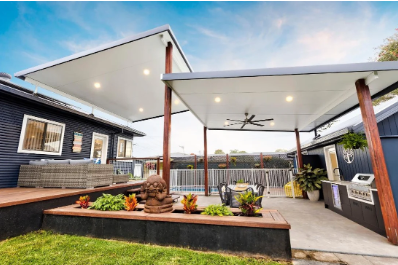
Outdoor spaces often become less comfortable during hot weather due to direct sunlight and rising heat levels around the home. An insulated pergola roofing system helps manage this challenge by reducing heat transfer and creating a more balanced outdoor environment. It improves comfort throughout the year while also supporting better energy efficiency in nearby indoor areas. With improved temperature control and reduced heat buildup, homeowners can enjoy their outdoor spaces without relying heavily on cooling systems.
What Is Insulated Pergola Roofing?
Many outdoor structures use roofing systems designed to improve comfort and reduce heat buildup. Insulated pergola roofing uses layered materials that slow heat transfer from sunlight into the covered space. These systems include insulated panels that help maintain stable temperatures underneath the pergola. Homeowners install them over patios and dining areas where heat exposure is high. A louvred roof pergola offers adjustable louvres for better sunlight and airflow control, improving outdoor comfort in changing weather conditions.
How Does Insulated Roofing Reduce Heat Transfer?
Reducing heat transfer is a key reason homeowners choose insulated outdoor roofing systems. Roof insulation helps block excessive heat before it reaches the space below, improving overall comfort in outdoor areas.
- Keeps Outdoor Areas Cool: Insulated roofing reduces heat entry into the pergola, helping outdoor seating and dining areas stay cooler for longer during hot weather.
- Improves Surface Protection: It prevents surrounding outdoor surfaces from absorbing excessive heat, which helps maintain a more comfortable environment around the space.
- Supports Indoor Comfort: It limits heat transfer into adjacent indoor rooms, helping maintain more stable indoor temperatures throughout the day.
Insulated roofing helps manage heat effectively and creates more comfortable indoor and outdoor living conditions.
Additional Benefits for Australian Homes
Australian homes often experience strong sunlight and high outdoor temperatures during summer. Outdoor living areas, therefore, require better heat protection to remain comfortable year-round. Along with improving energy efficiency, these roofing systems offer several practical advantages:
- Better Outdoor Comfort: Covered spaces stay cooler and more comfortable during hot afternoons.
- Protection from UV Exposure: Roofing systems help reduce direct sunlight exposure on outdoor furniture and flooring.
- Improved Weather Protection: Rain coverage allows homeowners to use outdoor areas year-round.
- More Usable Living Space: Many families use pergolas for dining, entertaining, or relaxing without excessive heat discomfort.
- Flexible Sunlight Control: A louvred roof pergola allows homeowners to adjust shade and airflow based on weather conditions.
- Improved Property Appeal: Modern outdoor roofing systems can improve the overall appearance and functionality of outdoor spaces.
Many homeowners choose insulated pergola roofing because it combines practical comfort with better temperature control for everyday outdoor living.
Conclusion
Energy-efficient outdoor design continues to influence how homeowners upgrade their living spaces. Insulated pergola roofing improves comfort by reducing heat transfer and supporting better airflow around outdoor areas. Adjustable roofing systems also help homeowners control sunlight more effectively throughout the year. With better temperature management and reduced heat exposure, outdoor spaces become more comfortable while supporting lower energy use across the home. It also helps create a more sustainable and enjoyable outdoor living environment over time.