
Something interesting happened in the travel industry over the past few years. While major tourism corporations scrambled to recover from a global shutdown, a quieter revolution took shape on the margins. Independent creators, cultural storytellers, and small-team entrepreneurs started building travel experiences that looked nothing like what the big operators offered. They weren’t selling package deals or hotel bundles. They were selling meaning — and they turned to crowdfunding platforms to make it happen.
The shift matters for anyone watching the creator economy evolve beyond digital products and into the physical world. Travel, it turns out, is one of the most compelling spaces for creative entrepreneurship. And one country in particular has emerged as a testing ground for this new wave of crowd-backed travel ventures: Greece.
Why Travel Projects Resonate With Backers
Crowdfunding has always worked best when a project taps into something personal. Backers aren’t just buying a product; they’re buying into a vision, a story, a slice of someone’s ambition. Travel projects check every one of those boxes. When a creator pitches a guided cultural experience through a lesser-known Greek village, they’re not competing with Expedia. They’re offering something that can’t be replicated at scale — intimate access, local knowledge, and the kind of curatorial eye that only comes from genuine obsession with a place.
This is partly why Greece keeps surfacing in crowdfunded travel projects. The country offers an almost unfair combination of ancient history, diverse landscapes, and relatively affordable operating costs for small businesses. A creator who spent three summers mapping footpaths through the Peloponnese can build a compelling campaign around that expertise. They don’t need a massive team or corporate backing. They need a story, a plan, and an audience willing to take a chance.
The Safety Question That Every Creator Must Answer
Here’s something that doesn’t get discussed enough in the crowdfunding space: when you’re asking people to back a travel experience, you’re implicitly asking them to trust you with their physical safety. That’s a fundamentally different kind of trust than backing a board game or a documentary film. Potential backers want to know that the destination itself is secure, that infrastructure is reliable, and that someone has thought through the logistics beyond the romantic pitch.
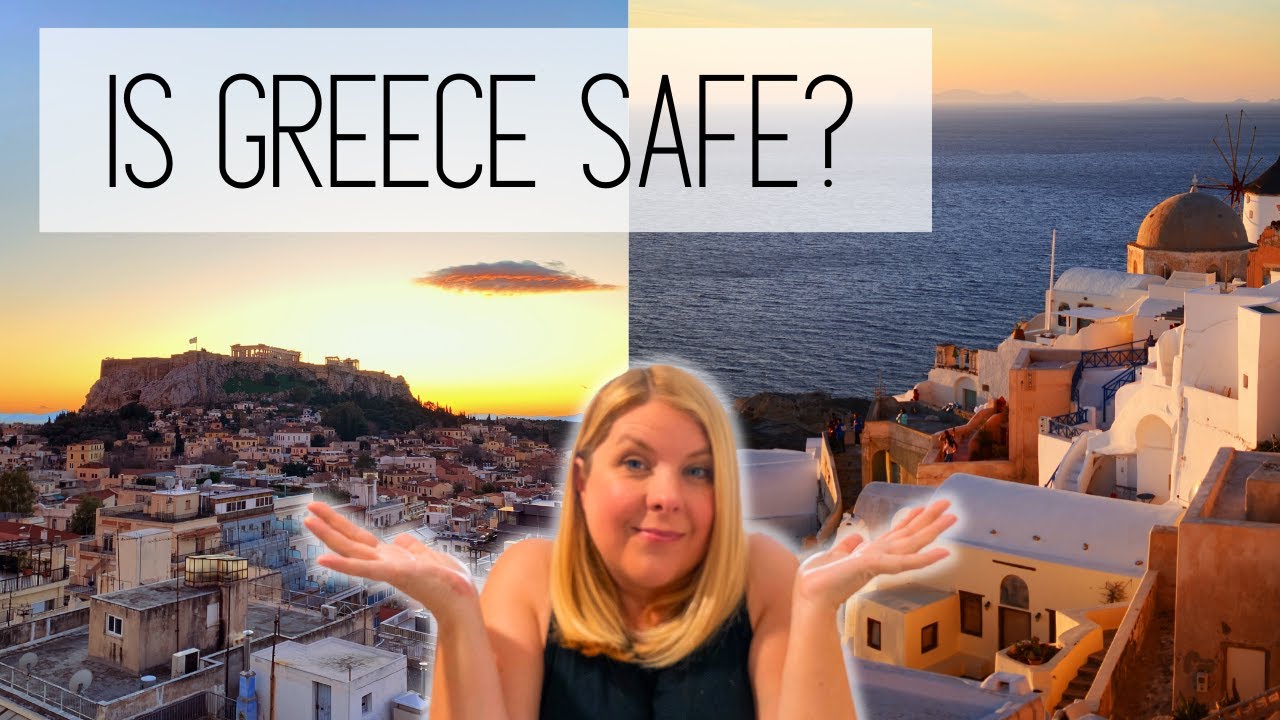
For Greece-focused projects, creators have found that addressing this directly actually strengthens their campaigns. Rather than glossing over concerns, the most successful project leads tackle them head-on. They point backers toward reliable resources that explore whether is greece safe to travel to in depth, covering everything from petty crime statistics to healthcare access and regional stability. This kind of transparency doesn’t scare backers away. It does the opposite — it signals competence and seriousness, qualities that turn a curious browser into a committed supporter.
The creators who thrive in this space understand that crowdfunding a travel experience is equal parts inspiration and reassurance. You need to make someone dream about standing on a cliff above the Aegean, yes. But you also need to make them feel confident that the trip will be well-organized, that they’ll be looked after, and that the destination has been vetted by someone who knows it intimately.
Small Cities, Big Opportunities
One of the most fascinating patterns in crowd-backed Greek travel projects is the movement away from the obvious destinations. Athens and Santorini will always draw visitors, but creators are finding that backers respond even more strongly to places they’ve never heard of. There’s a thrill in discovery that mainstream tourism can’t deliver, and crowdfunding campaigns are perfectly suited to sell that feeling.
Take Nafplio, for example. This compact coastal city in the eastern Peloponnese has the kind of layered history that makes a travel creator’s eyes light up — Venetian fortresses, Ottoman-era mosques, neoclassical mansions, and a waterfront that rivals anything on the islands. It was Greece’s first capital after independence, a fact that surprises most visitors. Several independent operators now offer specialized tours in Nafplio that go far beyond the standard walking tour, weaving together mythology, military history, and contemporary Greek culture into experiences that feel genuinely revelatory.
For creators thinking about their next campaign, destinations like Nafplio represent a sweet spot. They’re accessible enough to reach without complicated logistics but unfamiliar enough to generate genuine excitement. When a backer reads about a place they’ve never considered visiting, and the creator’s pitch makes them feel like they’d be missing out by not going, that’s when the pledge button gets clicked.
What Successful Travel Campaigns Get Right
After studying dozens of travel-related crowdfunding campaigns over the past two years, a few patterns stand out among the ones that actually hit their funding goals.
First, they lead with specificity rather than grand promises. “We’ll show you the real Greece” is vague and forgettable. “We’ll take you to the exact olive grove where a family has been pressing oil for eleven generations, and you’ll eat lunch under trees that were already old when the Parthenon was new” — that’s a pitch that stays in someone’s head.
Second, they price their tiers with real-world travel budgets in mind. The most successful campaigns offer a range that includes lower-tier rewards like digital guides or curated itineraries for people who can’t make the trip, alongside premium tiers for the full experience. This widens the pool of potential backers dramatically.
Third, and perhaps most importantly, they demonstrate deep local knowledge. Backers can sense when a creator genuinely knows a place versus when they’ve spent a week there and decided to build a business around it. The campaigns that succeed are backed by months or years of on-the-ground research, established relationships with local communities, and the kind of nuanced cultural understanding that only comes from sustained engagement.
The Bigger Picture for the Creator Economy
What’s happening in crowd-backed travel isn’t just a niche trend. It points to something larger about where the creator economy is heading. We’ve watched creators monetize digital content, physical products, and educational courses. Travel experiences represent the next frontier — a space where personal expertise, cultural sensitivity, and entrepreneurial energy combine to produce something that traditional businesses struggle to match.
Greece happens to be an ideal laboratory for this kind of innovation because it rewards exactly the qualities that independent creators bring to the table: passion, depth, and a willingness to venture beyond the obvious. The country’s tourism infrastructure is mature enough to support small operations, while its cultural richness provides an almost inexhaustible supply of stories waiting to be told.
For aspiring travel creators considering their first campaign, the lesson from Greece is straightforward. Know your destination better than anyone else in the room. Address your backers’ practical concerns before they have to ask. Find the places that nobody is talking about yet. And build your pitch around specific, vivid, irreplaceable moments rather than generic promises of adventure.
The backers are out there. They’re tired of algorithmic recommendations and cookie-cutter itineraries. They want someone with genuine knowledge and infectious enthusiasm to show them something they wouldn’t find on their own. If you can deliver that — and prove it in your campaign — the funding will follow.
