
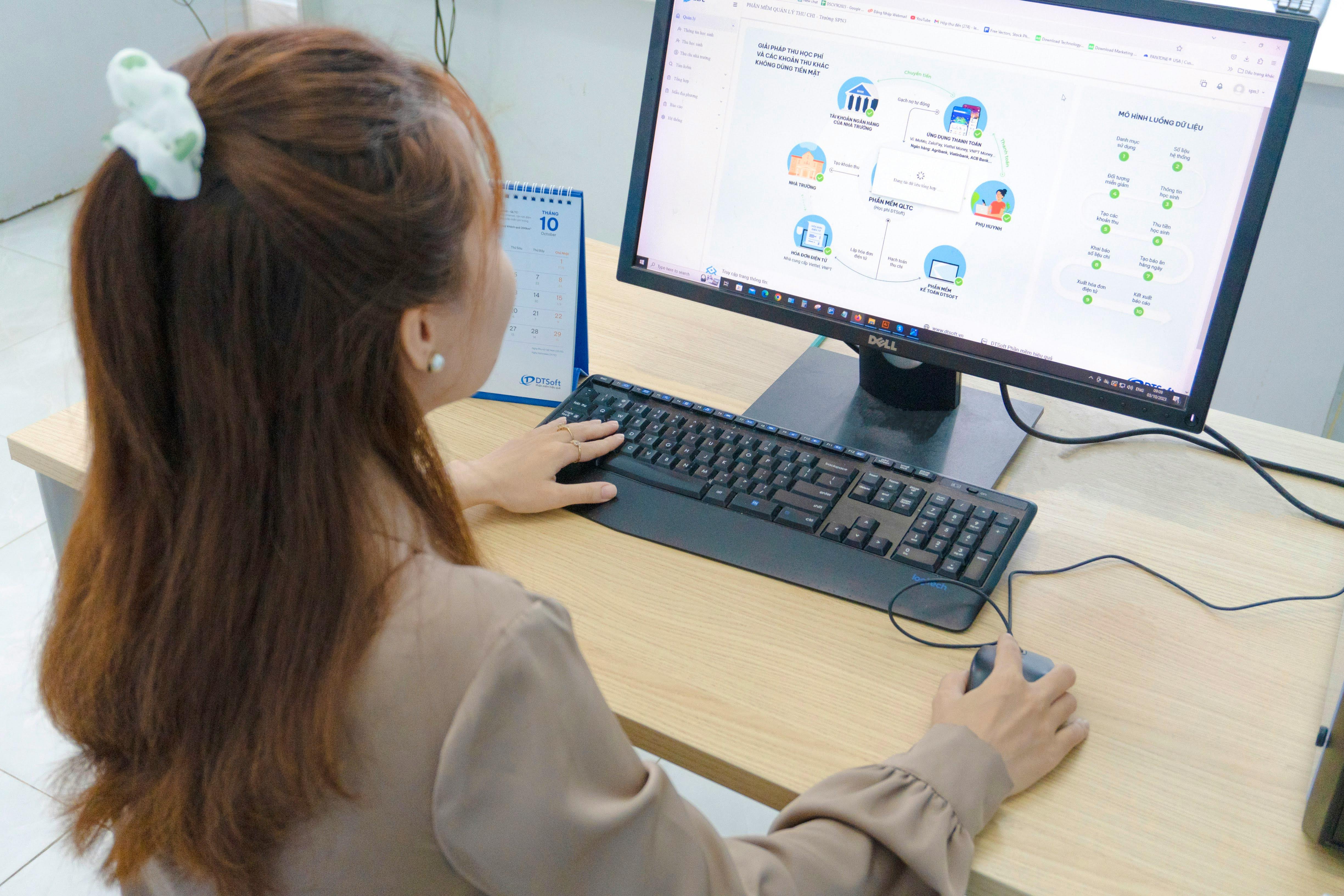
Private schools have long focused on providing high-quality education, but the process of attracting and enrolling students has often remained time-consuming and complex. Traditional admissions methods relying on paperwork, email chains, and manual tracking can create inefficiencies for both administrators and families. As expectations for convenience and speed grow, many institutions are turning to digital tools to modernize their approach.
One of the most impactful solutions reshaping this process is the adoption of enrollment software, which is helping private schools streamline operations, improve communication, and make data-driven decisions.
Simplifying the Application Process
One of the biggest changes brought by modern technology is the simplification of how families apply to private schools. Instead of filling out multiple forms and submitting physical documents, parents can now complete applications through a centralized digital platform. This not only saves time but also reduces the chances of errors or missing information.
For admissions teams, this shift replaces manual data entry with automated workflows. Applications are collected, organized, and easily accessible in one place, allowing staff to review submissions faster and more accurately. Features such as document uploads, digital signatures, and automated confirmations create a smoother experience for everyone involved.
Improving Communication with Families
Clear communication is essential during the admissions process, yet it can be difficult to maintain consistency when relying on emails and phone calls alone. Digital platforms help bridge this gap by offering built-in communication tools that keep everything organized.
Admissions teams can send updates, reminders, and announcements directly through the system, ensuring families stay informed at every stage. From scheduling interviews to confirming application status, communication becomes more transparent and efficient. Parents also benefit from having a single place to check updates, submit questions, and monitor their progress.
This improved communication builds trust and enhances the overall experience for prospective families, making the school appear more professional and responsive.
Streamlining Administrative Workflows
Managing admissions involves multiple steps, including application review, document verification, interviews, and final decisions. Without proper tools, tracking each stage can become overwhelming, especially during peak seasons.
Digital solutions allow schools to automate repetitive tasks such as sending reminders, updating statuses, and assigning responsibilities to staff members. Workflow automation ensures that no step is missed and that each application moves forward smoothly.
Additionally, administrative dashboards provide a clear overview of all applicants, helping teams prioritize tasks and manage their workload effectively. This level of organization reduces stress for staff and allows them to focus more on meaningful interactions with families rather than administrative burdens.
Enhancing Data Insights and Decision Making
Another major advantage of digital systems is the ability to collect and analyze data. Schools can track key metrics such as application volume, acceptance rates, and enrollment trends across different periods.
These insights enable administrators to make informed decisions about admissions strategies. For example, they can identify which marketing efforts attract the most applicants or determine where applicants are dropping out of the process. By understanding these patterns, schools can refine their approach and improve conversion rates.
Data also supports better forecasting, helping schools plan for class sizes, staffing needs, and resource allocation. This proactive approach strengthens long-term planning and ensures a more balanced admissions process.
Creating a Better Experience for Applicants
In a competitive education landscape, the admissions experience plays a significant role in shaping a family’s perception of a school. A smooth, user-friendly process reflects positively on the institution and can influence enrollment decisions.
Online portals make it easy for parents to complete applications at their convenience, track progress, and receive timely updates. Mobile-friendly interfaces further enhance accessibility, allowing families to engage with the process from anywhere.
By reducing friction and simplifying each step, schools create a more welcoming and efficient experience. This not only increases the likelihood of completed applications but also leaves a lasting impression on prospective families.
Supporting Growth and Scalability
As private schools expand their reach and attract more applicants, managing admissions manually becomes increasingly challenging. Digital platforms provide the scalability needed to handle growing volumes without sacrificing efficiency.
Whether a school is managing dozens or hundreds of applications, the system can adapt to meet demand. Automated processes ensure consistency, while centralized data eliminates duplication and confusion.
This scalability is particularly valuable for schools looking to grow or expand their programs, as it allows them to maintain high standards while accommodating more students.
Conclusion
The shift toward digital solutions is transforming how private schools manage admissions. By simplifying applications, improving communication, automating workflows, and leveraging data insights, schools can create a more efficient and engaging process for both staff and families.
As expectations continue to evolve, embracing modern tools is no longer just an option but a necessity for staying competitive. Schools that invest in smarter systems are better positioned to attract the right students, deliver a positive admissions experience, and build a strong foundation for future growth.