
Modern packaging operations demand a combination of speed, precision, flexibility, and hygiene, and few packaging systems deliver all of these attributes as effectively as the stick pack machine. The stick pack format offers a compelling value proposition for both manufacturers and consumers. For consumers, stick packs provide pre-measured portions that are easy to use on the go, require no measuring, and generate minimal waste. For manufacturers, the format allows efficient use of packaging film, presents products attractively on retail shelves, and supports premium pricing for portion-controlled products in food, beverage, pharmaceutical, and personal care categories.
Precision Engineering of the Forming Section
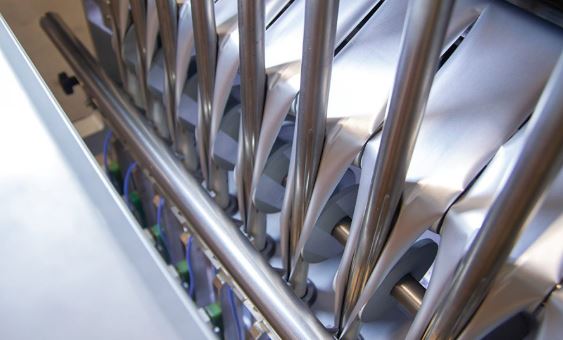
The forming section of a stick pack machine is where the packaging film is shaped into the distinctive elongated tube. This process requires precise tension control of the incoming film, accurate positioning of the forming collar or tube, and consistent heat-sealing of the longitudinal seal. Any variability in these parameters can result in seal failures, misaligned packs, or unacceptable aesthetic defects. Quality machine manufacturers invest heavily in precision engineering of the forming section to ensure dimensional consistency across all lanes and throughout long production runs — this engineering quality is a primary differentiator between premium and budget equipment.
Dosing Accuracy and Seal Integrity for Regulated Industries
Dosing accuracy is a critical performance metric for stick pack machines, particularly in pharmaceutical and nutraceutical applications where dose consistency directly affects product efficacy and regulatory compliance. Auger-based dosing systems for powders and granules offer high accuracy typically within plus or minus one percent of target weight across a wide range of product densities. The longitudinal and cross-seals must be consistently formed across the full width of the seal area with no channels, bubbles, or weak points. Advanced machines use servo-driven sealing jaws with precise temperature and pressure control to deliver consistent, high-integrity seals that protect product quality throughout the supply chain.
Flexibility, Quick Changeover, and Multi-Product Capability
Production flexibility is increasingly important as manufacturers are expected to produce more product variants in smaller batch sizes to meet fragmented consumer demand. A stick pack machine with quick-change format parts, adjustable lane widths, and software-controlled recipe management allows a single machine to be efficiently used across multiple products and pack sizes, maximizing asset utilization and simplifying inventory management. Machines designed for easy access to wear components such as sealing jaws, forming tubes, and drive belts allow maintenance to be performed quickly and safely, while predictive maintenance features help schedule service proactively rather than reactively.
Data Capture, Reporting, and Line Integration
Data capture and production reporting capabilities enhance operational intelligence. Modern stick pack machine generate real-time data on production rates, downtime causes, dosing accuracy, and reject rates. When integrated with manufacturing execution systems or enterprise resource planning systems, this data supports continuous improvement initiatives, production planning, and regulatory reporting. The integration of stick pack machines into broader packaging lines, including secondary cartoning, case packing, and labeling, requires careful planning of line layout and equipment interfaces. Experienced machine suppliers can advise on line integration and provide equipment interfaces that enable smooth product flow from primary packaging through to final case packing.
Pre-Sales Trials, Supplier Selection, and Long-Term Partnership
Customer application testing is a service that distinguishes leading stick pack machine suppliers. The opportunity to trial your specific products on a machine before purchase, under realistic production conditions, provides valuable data on dosing performance, sealing parameters, and achievable production speeds — reducing technical risk and accelerating the validation of the packaging solution. After-sales support, including spare parts availability, repair services, and responsive technical helpdesk access, determines the total cost of ownership over the machine’s operational life. A well-specified and properly maintained stick pack machine is a long-term asset that contributes directly to product quality, production efficiency, and competitive market position.
