

Every pet owner knows that sinking feeling — the moment you call your dog’s name and hear nothing but silence, or discover your cat hasn’t come home by nightfall. Losing a pet, even briefly, is one of the most distressing experiences imaginable. The good news? Technology has transformed how we keep our furry companions safe.
Today’s pet owners face a genuine dilemma: stick with time-tested traditional tracking methods like ID tags and microchips, or embrace modern GPS technology that promises real-time location updates at your fingertips. Both approaches have merit, but they serve very different purposes when seconds count.
This article cuts through the noise to give you a clear, honest comparison of GPS and traditional tracking methods. We’ll explore what makes the best pet GPS tracking device worth the investment, how pet monitoring apps amplify your ability to respond quickly, and why connecting with a pet owner community adds another powerful layer of protection. Whether you’re a first-time tracker buyer or looking to upgrade your current setup, you’ll walk away with the knowledge to make the smartest choice for your pet’s safety.
Understanding Pet Tracking: GPS vs. Traditional Methods
Traditional pet tracking has long relied on two staples: ID tags and microchips. ID tags are simple metal or plastic identifiers attached to a collar, displaying your contact information. Microchips, implanted beneath the skin, store a unique ID number that shelters and vets can scan. Both methods are passive — they only help after someone finds your pet and takes action. Neither tells you where your animal is right now, and neither works if your pet loses their collar or if a finder doesn’t bother scanning for a chip.

GPS pet trackers flip this dynamic entirely. Instead of waiting for someone to bring your pet to you, GPS devices transmit your pet’s real-time location directly to your smartphone. The contrast in capability is stark: traditional methods offer identification after recovery, while GPS enables active pursuit the moment your pet wanders off. Range is effectively unlimited with cellular-based GPS trackers, whereas an ID tag is useless until a human physically encounters your pet.
Cost is the honest trade-off. ID tags cost just a few dollars, and microchipping is a one-time veterinary expense. GPS trackers carry a higher upfront cost plus ongoing subscription fees for cellular service. However, for proactive safety — especially in high-risk environments like busy neighborhoods or rural areas — the real-time advantage of GPS far outweighs the price difference for most dedicated pet owners.
Essential Features of the Best Pet GPS Tracking Devices
Not all GPS trackers are created equal, and knowing which features genuinely matter can save you from a costly mistake. Location accuracy sits at the top of the priority list — the best pet GPS tracking device should update your pet’s position every few seconds, not every few minutes. A tracker that refreshes slowly might show your dog three blocks behind where he actually is, which defeats the purpose entirely.
Battery life is equally critical. A device that dies after eight hours leaves you vulnerable during exactly the kind of extended outdoor adventure when your pet is most likely to wander. Look for trackers offering at least 24 hours of continuous use, with low-battery alerts pushed directly to your phone. Durability matters too — your tracker needs to survive rain, mud, and the occasional river crossing, so waterproof ratings aren’t optional extras; they’re baseline requirements.
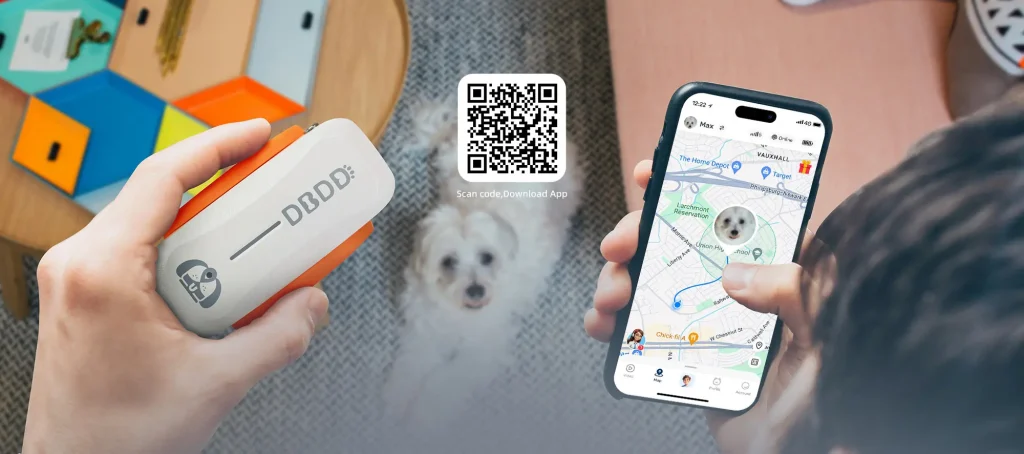
Size and weight deserve honest consideration based on your specific pet. A bulky tracker that’s perfect for a Labrador could genuinely stress a small terrier or a cat. Beyond the hardware basics, two software features stand out as game-changers: geofencing, which sends instant alerts when your pet crosses a boundary you’ve set, and activity monitoring, which tracks daily movement patterns. Devices like the DBDD GPS Tracker are often cited in pet owner communities for addressing exactly these priorities — combining compact design with reliable geofencing alerts. Together, these capabilities transform a simple locator into a comprehensive safety and wellness tool.
The Role of Pet Monitoring Apps in Modern Pet Care
A GPS tracker is only as useful as the interface connecting you to its data, and this is where pet monitoring apps genuinely earn their place in your safety toolkit. The best apps translate raw location coordinates into intuitive maps you can read at a glance — no technical expertise required. When your dog bolts, you need to see exactly where she’s heading in seconds, not fumble through a confusing dashboard. Top-tier apps display live movement trails, so you’re not just seeing a static dot but watching your pet’s actual path unfold in real time.
Beyond location, modern pet monitoring apps have expanded into comprehensive wellness platforms. Health tracking features log daily step counts, rest periods, and activity intensity, giving you a baseline that makes anomalies immediately obvious. If your typically energetic border collie suddenly shows dramatically reduced movement, the app flags it — potentially catching illness or injury before it escalates. Some platforms integrate directly with smart home devices, sending alerts to your watch or tablet simultaneously with your phone.
Push notifications are the feature that separates adequate apps from exceptional ones. Instant geofence breach alerts, low battery warnings, and unusual activity notifications mean you’re always informed without constantly checking your screen. Historical data storage lets you review your pet’s patterns over weeks, which proves surprisingly valuable for identifying behavioral trends and sharing accurate information with your veterinarian during routine checkups.
Building Connections: The Pet Owner Community
Technology alone doesn’t complete the picture of pet safety — the people around you matter just as much as the devices on your pet’s collar. Pet owner communities, whether local neighborhood groups, breed-specific forums, or social media networks, create a human safety net that no tracker can replicate. When your dog goes missing, a single post in an active community can mobilize dozens of neighbors scanning their streets within minutes. That collective awareness dramatically shortens recovery time in ways that even the best GPS tracker can’t guarantee on its own.
These communities do more than organize search parties. Experienced members share hard-won insights about which GPS trackers perform reliably in rural versus urban environments, which subscription plans offer genuine value, and which app features actually get used versus those that sound impressive in marketing materials. This peer-tested knowledge cuts through manufacturer claims and helps you make smarter purchasing decisions before you spend a dollar.
The emotional dimension of a pet owner community shouldn’t be underestimated either. Losing a pet — even temporarily — is genuinely traumatic, and connecting with others who understand that bond provides real comfort during stressful moments. Many communities maintain local lost-and-found registries, coordinate with nearby shelters, and maintain contact lists of residents willing to help during emergencies. Joining one costs nothing and adds a powerful, human layer to your overall pet safety strategy.
Step-by-Step Solution: Choosing and Using Your Pet Tracker
Selecting the right tracker starts with an honest assessment of your pet’s lifestyle. A homebodying indoor cat needs something lightweight with solid geofencing, while an adventurous trail-running companion demands rugged durability and extended battery life. Factor in your environment too — dense urban areas with strong cellular coverage perform differently than rural properties where signal strength varies.
Once you’ve defined your requirements, compare GPS trackers across the features that actually matter: refresh rate, battery duration, waterproofing, and collar compatibility. Read reviews from owners with similar pets and environments rather than relying solely on manufacturer specifications. Pay close attention to subscription costs, since monthly fees add up significantly over a pet’s lifetime.
Setting up your device correctly from day one prevents headaches later. Install the companion app before attaching the tracker, configure your geofence boundaries to match your yard or property perimeter, and test the alert system while your pet is safely inside. Confirm that push notifications reach your phone reliably before trusting the system in real situations.
Integrate your tracker with community platforms by joining neighborhood pet groups and registering your device’s contact information on local lost-pet networks. Share your setup experience — what works, what doesn’t — because that firsthand knowledge helps other owners make better decisions.
Finally, schedule monthly maintenance checks: clean the device, verify firmware is updated, and confirm battery health. Outdated software can compromise accuracy and notification reliability, so treating your tracker like any other critical safety tool keeps it performing when you need it most.
Enhancing Pet Care with Advice and Technology
The data your GPS tracker collects is more valuable than most owners realize. Activity logs recording daily step counts and movement patterns give your veterinarian concrete, objective information rather than your best recollection of whether your pet seemed “a bit off” lately. When you notice your cat’s daily roaming radius has shrunk significantly over two weeks, that’s actionable pet care advice worth bringing to a checkup — it could indicate joint pain, illness, or anxiety that might otherwise go undetected for months.
Location history adds a behavioral dimension that surprises many first-time tracker users. Reviewing where your dog spends time reveals preferences and habits you’d never observe directly — a favorite resting spot near the fence line, a recurring escape route she tests when left alone, or a neighbor’s yard she visits consistently. These insights help you address behavioral patterns proactively rather than reactively, whether that means reinforcing a fence section or consulting a trainer about boundary anxiety.
The most effective pet safety strategy layers all three elements together: GPS technology providing real-time data, monitoring apps translating that data into meaningful insights, and a pet owner community offering context that technology alone can’t supply. A neighbor’s tip about a loose fence panel, combined with your tracker’s alert and your app’s location history, creates a response capability no single tool achieves independently. Treating these resources as an integrated system rather than separate options transforms how confidently you can protect your pet every day.
GPS, Apps, and Community: Your Complete Pet Safety Strategy
Keeping your pet safe has never been more achievable, but it requires choosing the right tools and using them together strategically. Traditional methods like ID tags and microchips remain valuable as backup identification, but they’re fundamentally reactive — they help after someone finds your pet. GPS trackers put you in control from the moment something goes wrong, offering real-time location data that no collar tag can match.
The clearest takeaway from this comparison is that the best pet GPS tracking device isn’t just a piece of hardware — it’s the foundation of a layered safety system. Pair it with a capable pet monitoring app that delivers instant alerts and meaningful health insights, and you’ve moved from passive hope to active protection. Add a connected pet owner community, and you’ve built a human network that technology alone can’t replicate.
For tech-savvy pet owners, the path forward is straightforward: prioritize real-time accuracy, long battery life, and intuitive app integration when selecting your tracker. Set up geofencing before you need it, join local pet communities before your pet goes missing, and treat your tracker as a living tool that needs regular maintenance. Your pet depends on you — and with the right integrated approach, you’ll always be ready to respond.