

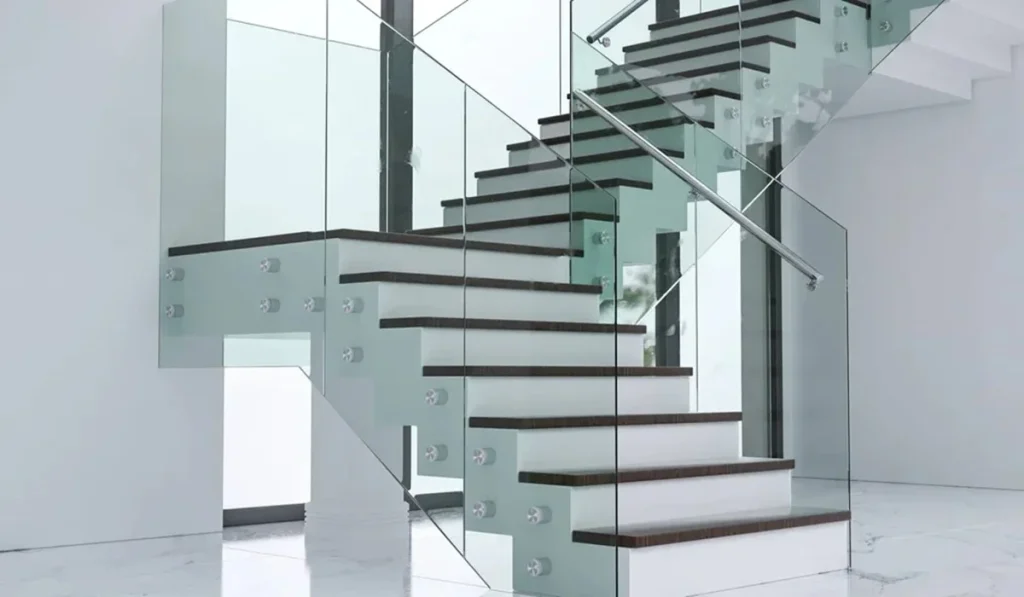
Picking the perfect structural railing completely transforms a building’s final look, occupant safety, and overall market appreciation. For commercial contractors, residential architects, and property developers, specifying a system usually comes down to three choices: modern glass balustrade systems, streamlined cable railings, or classic traditional post systems.
Every single setup brings specialized engineering advantages to the job site. Certain materials fit luxury lakeside decks beautifully, while others work best for heavily trafficked retail stairs or budget-focused multi-family balconies. The ultimate challenge is figuring out which hardware selection strikes the right balance between aesthetic appeal, structural longevity, upkeep costs, quick installation, and upfront material pricing.
                    [Railing Choice]
                           │
      ┌────────────────────┼────────────────────┐
      ▼                    ▼                    ▼
[Glass Balustrades]  [Cable Railings]    [Traditional Posts]
 (Max View & Luxury)  (Airflow & Modern)  (Budget & Classic)
Why Glass Balustrades Rule High-End Construction
Modern architectural design leans heavily into bright, open spaces and sleek, minimalist geometric lines. Today’s property owners want barrier systems that maintain clear views and let natural light flood their rooms without compromising on regional building safety codes.
A high-performance glass balustrade delivers on that design promise. Unlike thick, heavy pickets that fragment a scenic horizon, architectural glass creates a smooth visual bridge between indoor rooms and outdoor environments. This explains why designers specify frameless or semi-frameless glass barriers across luxury resorts, office parks, shopping centers, and high-end residential pools.
Market intelligence shows that glass designs continue to win over commercial builders because they pair premium safety with a high-end feel. Contractors often lean toward glass hardware because it immediately boosts the perceived value of a property. Buildings equipped with frameless architectural panels often feel vastly larger, brighter, and much more upscale.
Breaking Down the Three Core Railing Layouts
1. Modern Glass Balustrades
A premium glass balustrade incorporates thick sheets of tempered or laminated structural safety glass as the protective wall. The heavy structural panels are anchored firmly at the base using robust stainless steel hardware like spigots, standoffs, glass adaptors, or continuous metal base shoes. These setups come in fully framed, semi-frameless, or entirely frameless designs for balconies, indoor stairs, and high-altitude decks.
2. High-Tension Cable Railings
Cable systems utilize thin, horizontal stainless steel wires tensioned precisely between structural metal end posts. If you are interested in sourcing these setups, you can read our complete buyer’s guide to SS cable railing kits to look over standard hardware options. These installations remain exceptionally popular for maritime decks, mountain chalets, and industrial-chic commercial patios. Contractors frequently install complete stainless steel cable railing systems to preserve lines of sight while ensuring structural stability.
3. Traditional Post and Picket Systems
Classic post systems rely on vertical metal or wood pickets linked together by continuous top and bottom handrails. Constructed from aluminum, iron, or timber, these assemblies are cost-effective and straightforward to set up. However, traditional vertical posts tend to look dated and introduce a lot of visual clutter compared to modern glass structures.
Comparative Performance Analysis
| Engineering Attribute | Glass Balustrades | Cable Railings | Traditional Post Systems |
|---|---|---|---|
| Visual Clarity | Flawless transparency | Very good (thin lines) | Obstructed visibility |
| Design Language | Modern luxury | Industrial contemporary | Classic traditional |
| Wind Protection | Superior windbreak | Zero wind deflection | Minimal protection |
| Child Safety | Maximum (non-climbable) | Moderate (horizontal gaps) | Safe (if gaps under 4 inches) |
| Upkeep Demand | Periodic surface washing | Occasional tension adjustments | Repainting / Rust treating |
Key Reasons to Specify Glass Systems
Flawless Scenic Views
The primary reason to specify a glass balustrade is uninterrupted visibility. This is a game-changing feature for clifftop balconies, beach houses, hotel rooftops, and luxury pool decks. While horizontal cables are relatively thin, they still cross your line of sight. Solid glass panels eliminate visual noise, letting the surrounding landscape take center stage.
Premium Pool Safety Compliance
Glass pool barriers are a top choice for luxury properties because they enhance safety and aesthetics simultaneously. Unlike horizontal cable lines, solid glass stops children from climbing up the barrier like a ladder. Glass panels also act as a strong windbreak, keeping patio lounge areas warm and comfortable.
Contractors regularly use heavy-duty components, such as a specialized stainless steel glass clamp 304 316 golden round glass clamp, to secure these safety barriers tightly without compromising on aesthetics.
Exceptional Weather Resistance
Architectural tempered safety glass is incredibly tough. High-grade panels easily resist harsh UV exposure, freezing rain, coastal humidity, and sudden temperature shifts. When paired with high-quality metal components, like marine-grade 304 and 316 handrail brackets, a glass system will last for decades without peeling, warping, or rotting.
Where Cable Railings Stand Out
Ideal for Windy Decks and Rural Architecture
Horizontal cable setups work beautifully for expansive backyards, mountain cabins, and rustic-modern builds because the industrial look blends naturally with timber beams. The open design allows fresh air to flow freely across the deck while preserving a solid portion of the view.
Easy Transport and Handling
Glass panels require careful crating, heavy lifting tools, and meticulous handling on the job site to avoid edge chipping. By contrast, cable kits are lightweight, compact, and simple to ship to remote sites. If you are planning an outdoor project, using high-strength stainless steel cable for outdoor railing runs simplifies material handling in tough terrain.
Essential Sourcing and Mechanical Limitations
Before specifying a system, contractors should weigh a few practical performance limitations:
- Horizontal Cable Spacing Risks: Many strict local building codes require close horizontal wire gaps to stop children from climbing the cables.
- Tension Loss and Tune-Ups: Over time, physical settling, daily use, and temperature drops can cause steel cables to sag. To fix this, builders use a dedicated cable railing installation kit to tighten loose runs back up. Glass panels, by contrast, remain perfectly stable once locked into position.
- Long-Term Return on Investment: While traditional post layouts have a lower upfront price tag, premium glass configurations offer far higher long-term ROI by boosting property values.
Practical Contractor Installation Tips
Mounting glass or cable systems requires solid structural anchoring surfaces. Glass transfers structural loads down into localized base clamps, meaning your subfloor must be perfectly level and reinforced. To simplify layout alignment on complex stairs, contractors regularly use adjustable glass balustrade adaptors to tweak panels smoothly on-site.
If you are setting up a wire-based design on multi-level decks, verify the spacing requirements for your intermediate posts. Reading up on the best stainless steel cable railing system for stairs ensures your steps meet local handrail codes.
For homeowners tackling their own renovations, checking out a guide on stainless steel cable railings for DIY decks provides helpful, step-by-step assembly advice.
            [Project Application Guide]
                        │
      ┌─────────────────┼─────────────────┐
      ▼                 ▼                 ▼
[Luxury Decks]   [Airflow Decks]   [Budget Spaces]
(Glass Balustrade) (Cable Railing)  (Standard Posts)
Upkeep and Material Longevity
Every architectural installation requires a bit of routine maintenance to fight off environmental tarnish. Glass panels need a quick spray-and-wipe cleaning every few months to clear away salt crusts, water marks, and fingerprints.
To keep the metal hardware looking clean, review our guide on how to maintain stainless steel cable railing. For seaside projects, installing a complete stainless steel deck cable railing system provides excellent rust protection.
If you prefer a unique interior look, a front porch vertical interior cable railing fence kit for stairs offers a sleek, contemporary style. To see where the market is moving, track the top trends in stainless steel cable railing systems for 2026 to blend these materials seamlessly. For commercial layouts, you can also consider integrating an elegant overhead stainless steel glass canopy system to match your modern glass themes.
Final Verdict
Specifying the right system ultimately comes down to your project budget, safety goals, and design themes. Traditional posts work fine for simple utility spaces, while cable systems offer a clean industrial feel for rustic backyards. However, when a project demands modern styling, durability, child safety, and high value, glass balustrades remain the premium choice.
To browse our inventory of components, visit the URailing homepage. Head over to our about us page to read about our production testing, or check out our contact page to speak with a structural specialist about your project specs.
For international commercial manufacturing, review the Unikim Made-in-China factory profile, follow structural developments via the Unikim LinkedIn corporate page, or watch hardware load tests directly on the Unikim Railings YouTube channel.
FAQs
Is a glass balustrade safer for families than a cable railing?
Yes. Solid glass balustrades provide better safety around children because they create a smooth, vertical surface that cannot be climbed like a ladder. They also eliminate the risk of children or pets slipping through tensioned wire gaps.
How often do stainless steel cable systems need to be tightened?
High-quality cable runs usually require minor tension adjustments within the first year as the structural posts settle under load. After that initial adjustment period, checking and tightening the cables every two to three years is standard practice.
Will pool chemicals or coastal salt air cause glass spigots to rust?
If your spigots are made from low-grade steel, they will tarnish quickly. However, premium components made from Grade 316 marine-grade stainless steel are specifically formulated to resist chlorine, salt spray, and pitting.
Can I install glass balustrade systems on an existing wood deck?
Yes, you can mount them on wood decks, but you must add extra structural blocking underneath the deck boards. Glass panels are heavy and exert significant leverage on the base mounts, requiring a rigid wood or concrete foundation.